Prompt Engineering & Compression
We rewrite prompts and system instructions to carry the same intent using fewer tokens, applying prompt engineering and prompt compression across every workflow.

Uncover the transformative potential of digital and mobile solutions for your industry.




TechAhead is an AI token optimization company that helps enterprise leaders reduce token consumption, control the AI bill, and protect output quality across every LLM call, at any scale.





Token Optimization Services
We rewrite prompts and system instructions to carry the same intent using fewer tokens, applying prompt engineering and prompt compression across every workflow.
We implement semantic caching so semantically similar queries reuse relevant responses instead of triggering new API calls, improving cache hit rates and token efficiency.
We route each LLM call to the model suited to its task complexity, balancing output quality against cost efficiency for every request.
We manage the context window and trim entire conversation histories so only relevant information reaches the model, reducing input tokens per call.
We enforce structured output formats and JSON schemas so the model generates concise, structured data instead of verbose responses and wasted tokens.
We apply retrieval-augmented generation, vector search, and semantic chunking so responses draw on relevant information instead of an entire data set.
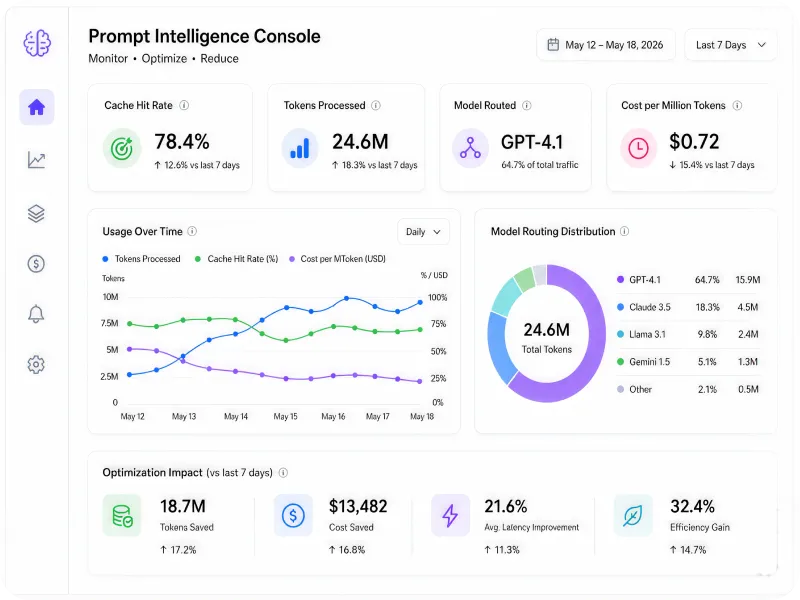
We track token count, tokens processed, and token usage across every LLM call, giving teams visibility into cost structure before the AI bill arrives.
We set token budgets and token limits per feature and team, keeping optimizing token usage a governed process instead of a reactive one.
We advise on pricing models, tool definitions, and system prompts so cost management stays predictable as query volume and user growth increase.
Use Cases & Solutions
See how our AI token optimization strategies solve real cost and performance problems across high-volume apps, agentic workflows, and large language models running in production.
Digital Products & AI-Powered
Solutions Delivered
Days Average
Pilot-to-Production Timeline
Enterprise Clients Trust Our
AI Strategy & Delivery
Years of Proven Success
in the Industry
In-House AI Engineers &
Data Scientists











TechAhead as a Reliable Partner
Prompt engineering strategies cut average token consumption per API call.
Structured output formats stop verbose responses before they reach production.
Model routing sends each task to the model suited for its complexity.
Prompt compression keeps system instructions lean without losing intent.
RAG and vector search pull only relevant information into the context window.
Context window management trims conversation histories before every LLM call.
Delivery Framework
Our AI token optimization strategies follow a structured delivery framework, moving from prompt audits and model routing to caching and production monitoring, so enterprise AI systems stay accurate, fast, and cost-efficient at every stage of growth.

We analyze prompts, system instructions, and token count across your ai stack.

We design token optimization strategies with compression, caching, and routing.

We implement structured output formats and validate output quality pre-rollout.

We track token usage, cache hit rates, and cost efficiency as usage scales up.
Engagement Models
Bring in dedicated AI engineers who specialize in AI token optimization services, embedded directly into your team to reduce token consumption and manage costs on your timeline.
Build custom AI systems, automation workflows, and enterprise intelligence platforms with experienced AI engineers.
Deploy production-ready AI agents inside your enterprise systems with engineers embedded directly in your environment.
Create generative AI experiences across search, content generation, enterprise workflows, and conversational systems.
DeBuild complete web and mobile applications end-to-end with developers fluent across the entire tech stack, from UI to database.
Migrate, architect, and manage secure cloud infrastructure across AWS, Azure, and GCP with experienced cloud engineers.
Our Optimization Strategies
From prompt engineering to model routing, we apply proven token optimization strategies that reduce token consumption, protect output quality, and keep your AI bill predictable as usage scales.
We rewrite prompts and system instructions to carry the same intent using fewer tokens, without losing precision.
We enforce JSON schemas and structured formats so models return relevant information instead of verbose responses.
We reuse cached responses for semantically similar queries, cutting redundant API calls and token consumption.
We trim conversation histories and system prompts so every input token works toward the actual user task.
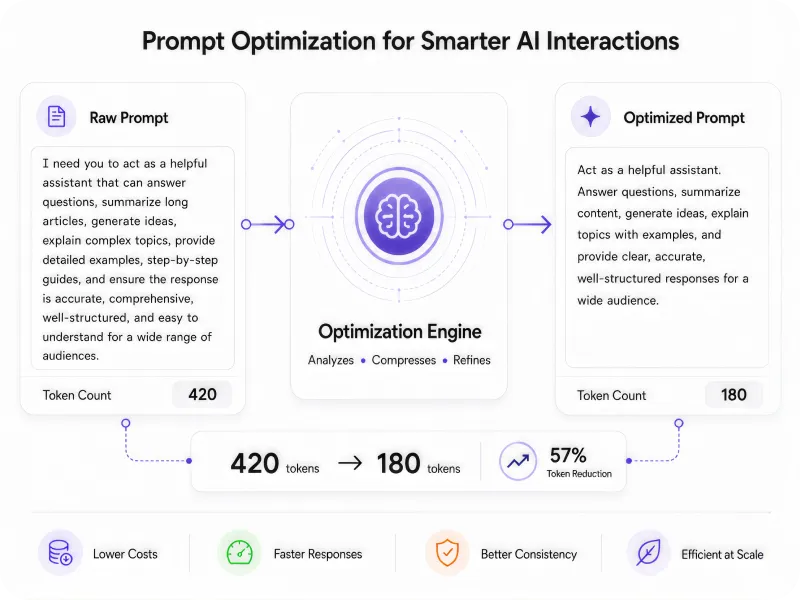
We route each query to the right-sized model based on task complexity, balancing output quality and cost efficiency.
We set token budgets per feature and workflow, so teams stay ahead of cost overruns before they happen.
We use retrieval augmented generation and vector search to pull only relevant information, not entire data sets.
We track token count, cache hit rates, and cost per million tokens across every LLM call in production.
A comprehensive fitness and wellness platform empowering mothers with personalized nutrition plans and workout programs.
1M+ active users• Top-rated fitness app• Global community
Read Case Study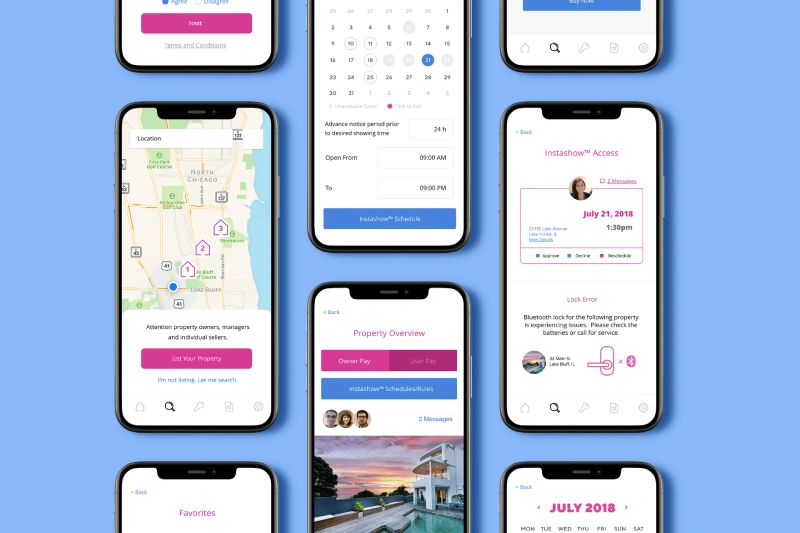 Mobile App • IoT • AWS
Smart self-showing real estate platform enabling keyless property access and seamless tenant-landlord interactions via IoT.
200K+ self-showings• 60% faster leasing• Available on iOS & Android
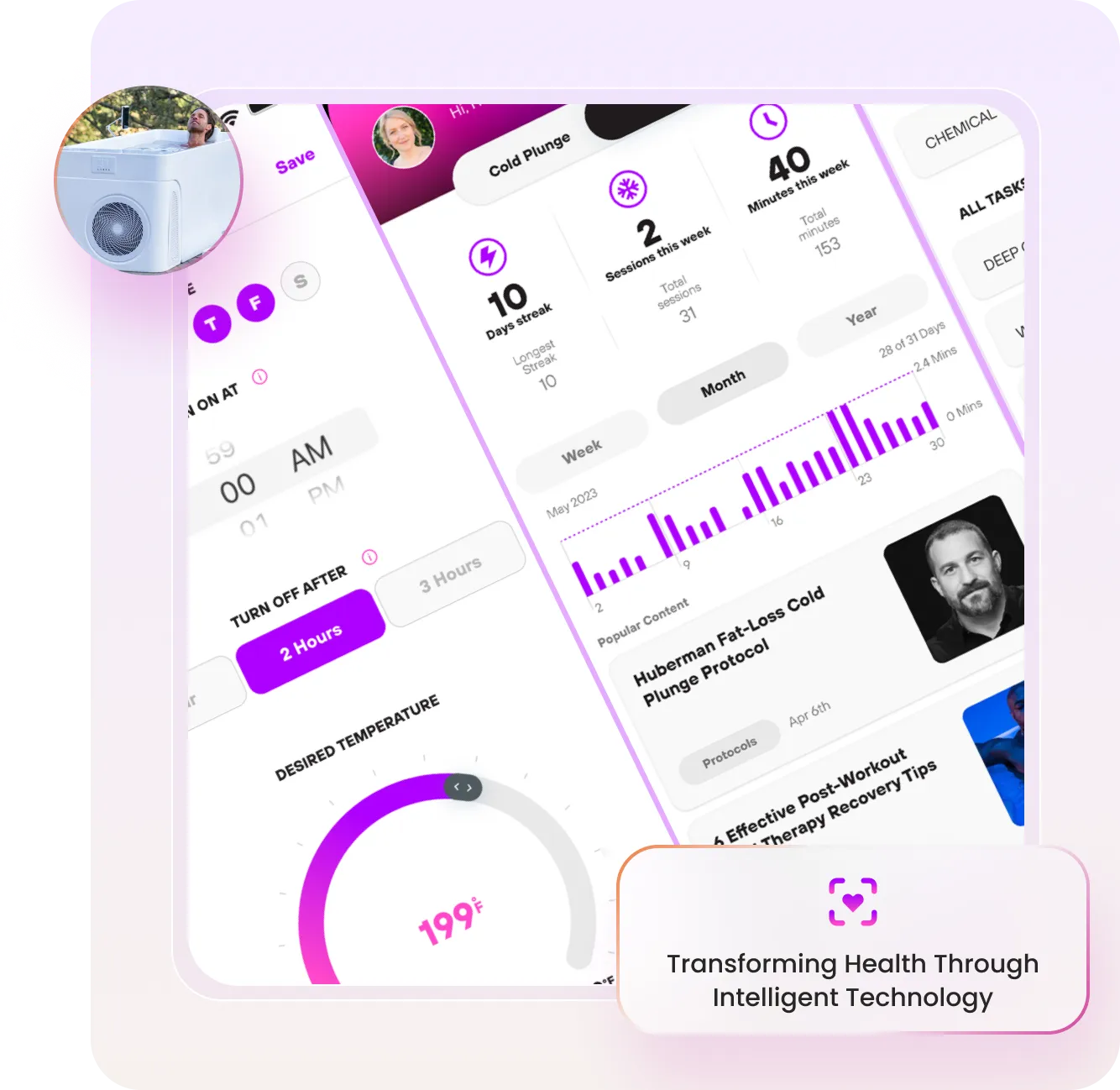
Read Case StudyA smart IoT wellness platform enabling seamless remote control of recovery and fitness devices.
IoT Firmware• Machine Learning• Mobile App• Wearable App• Application Management• Ongoing Support
Read Case StudyRevolutionizing pharmaceutical staffing in Quebec with real-time shift management and intelligent job matching.
50K+ hires facilitated• 90% candidate satisfaction• 15-day avg. time-to-fill
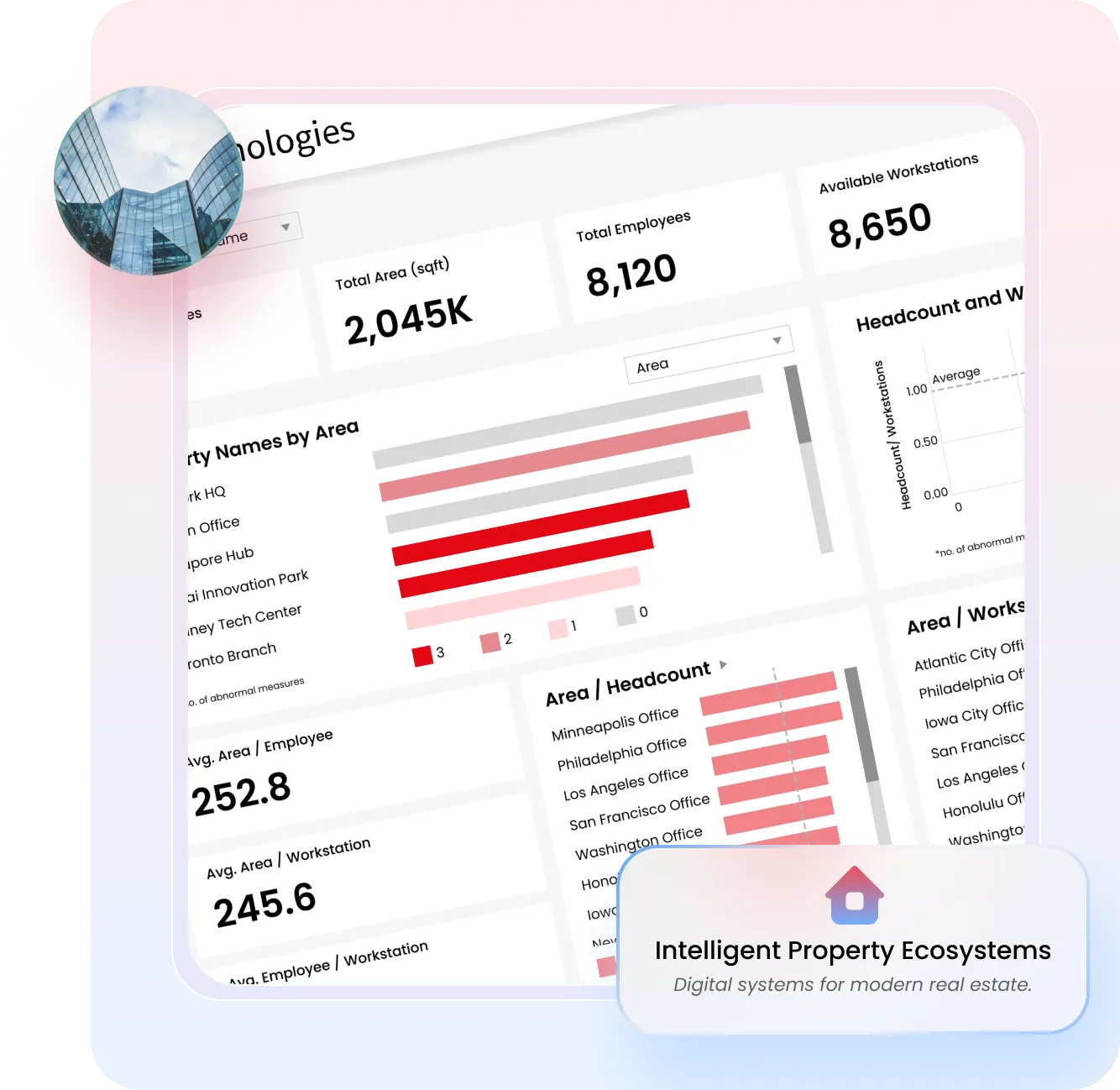
Read Case StudyA scalable proptech platform delivering AI-driven property discovery and intelligent real estate insights.
30% less downtime• 20% lower energy use• 30% longer equipment life
Read Case StudyA scalable proptech platform delivering AI-driven property discovery and intelligent real estate insights.
30% less downtime• 20% lower energy use• 30% longer equipment life
Read Case Study IoT • Smart Home • AWS
AI-powered smart heating and home automation system with predictive energy management and multi-platform voice control.
30% energy savings• Alexa & Google Home integrated• 50K+ homes automated
Read Case Study
IoT • Smart Home • AWS
AI-powered smart heating and home automation system with predictive energy management and multi-platform voice control.
30% energy savings• Alexa & Google Home integrated• 50K+ homes automated
Read Case StudyAn award-winning agentic AI referral platform accelerating hiring through intelligent automation and seamless workflows.
2.2M+ referrals• 1.1M+ processed• 13% converted to hires
Read Case StudyAn award-winning agentic AI referral platform accelerating hiring through intelligent automation and seamless workflows.
2.2M+ referrals• 1.1M+ processed• 13% converted to hires
Read Case Study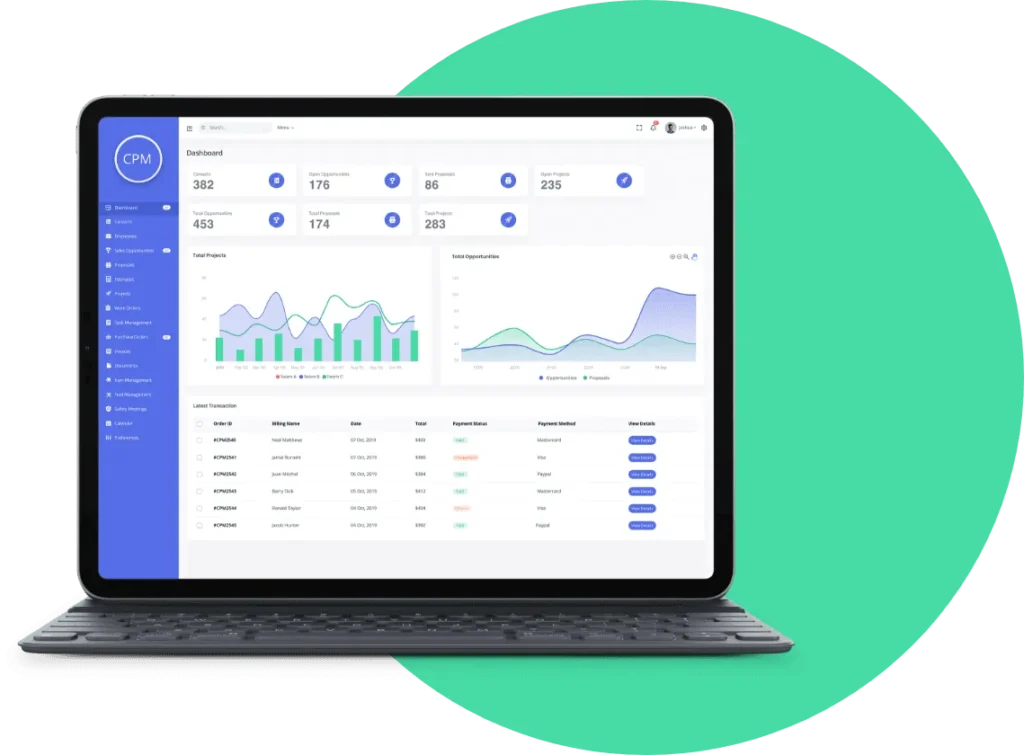 Cloud ERP • Angular • Node.js
End-to-end cloud ERP solution for contractors, streamlining project management, billing, and workforce coordination.
50% faster project delivery• Real-time reporting• Multi-team collaboration
Read Case Study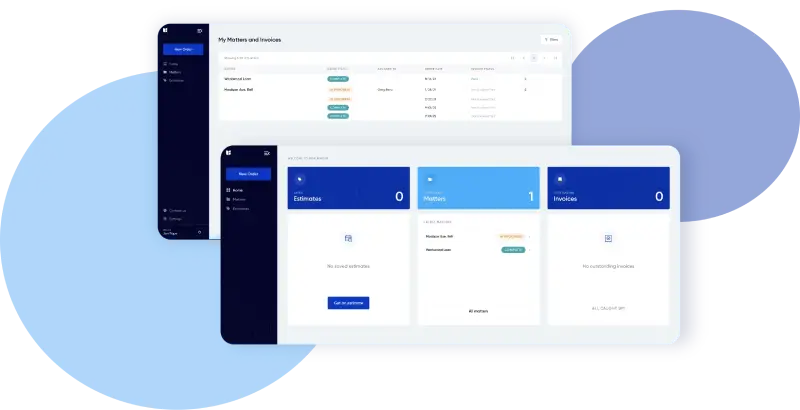 Cloud • SaaS • Enterprise
Cloud-native legal document management system enabling collaboration, version control, and compliance tracking.
70% reduction in document retrieval time• Enterprise-grade security• Multi-user collaboration
Read Case Study AXA
AXA
Delivered AI-powered enterprise transformation to
AXA, the world's largest insurance firm, at a global scale.
Agentic AI• Digital Transformation• Custom Software• Automation
Read Case Study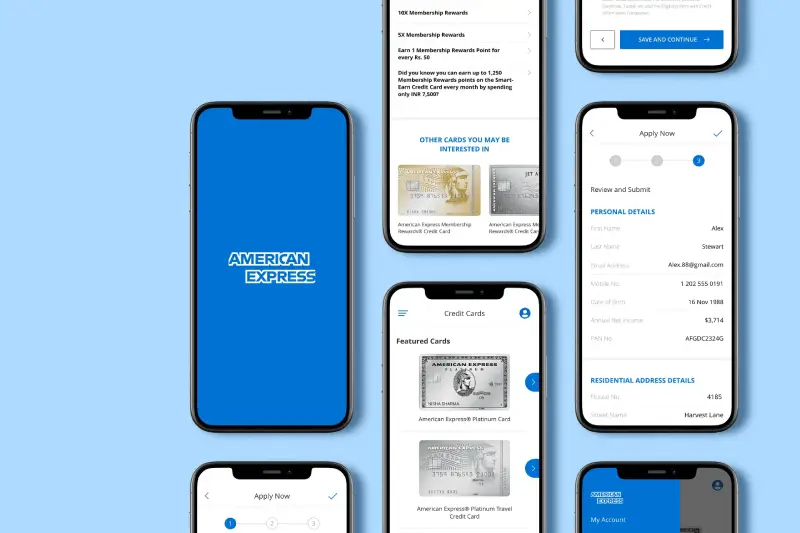 Banking CRM • iOS • Android
Next-gen banking CRM app delivering personalized financial services, rewards management, and secure account operations.
10M+ transactions processed• 99.9% uptime• PCI-DSS compliant
Read Case StudyA secure cross-border payments platform enabling seamless global transactions through scalable fintech infrastructure.
React Native• Multi-Currency Wallet• QR Code Payments• FXtag Transfers• KYC Compliance• Firebase• Secure Transactions• MySQL• AWS• DevOps• CI/CD
Read Case Study IoT • Mobile App • Cloud Services
Connected wellness IoT platform integrating massage chairs with mobile control, personalized programs, and analytics.
200K+ connected devices• 4.7★ user rating• Real-time device sync
Read Case StudyA unified platform managing 10,000+ devices, delivering 99.9% uptime through real-time data processing.
IoT• Real-Time Systems• Network Protocols• Data Visualization• Enterprise Security• Cloud Computing
Read Case Study Sports App • iOS • Android
High-performance Formula 1 sports app delivering real-time race data, live scores, driver stats, and immersive fan experiences.
5M+ downloads• Real-time race telemetry• Global fan base
Read Case Study Cricket App • Swift • Kotlin
A global cricket gaming and fan platform combining live matches, fantasy leagues, and fan engagement features.
ICC partnership• 3M+ cricket fans• Multi-country deployment
Read Case Study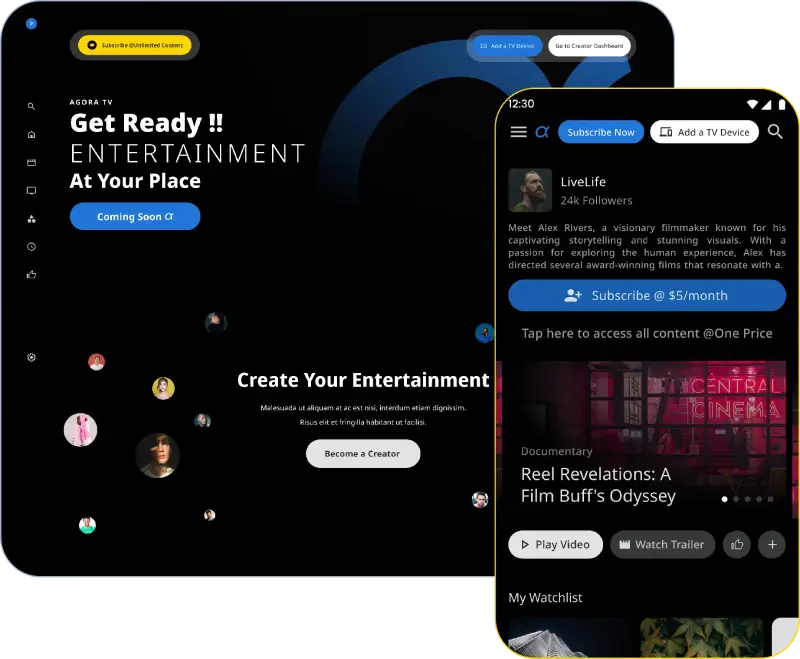 OTT • Smart TV • Cloud
A connected entertainment platform delivering seamless streaming experiences across smart TVs and mobile devices.
134% subscription conversion growth• 96% retention rate Multi-device experience
Read Case Study




















Industry-level Implementations
From health apps to trading platforms, we tailor our token optimization approach to each sector.
We optimize tokens in native health apps handling patient queries, records, and care.
We manage token usage across native apps coordinating connected devices and robotic fleets.
We control token costs in native banking and trading apps processing high query volumes.
We cut token consumption in native shopping apps powering product search and support chat.
We optimize tokens in native property apps handling listings, search, and buyer queries.
We manage token budgets across native enterprise apps running copilots and internal tools.
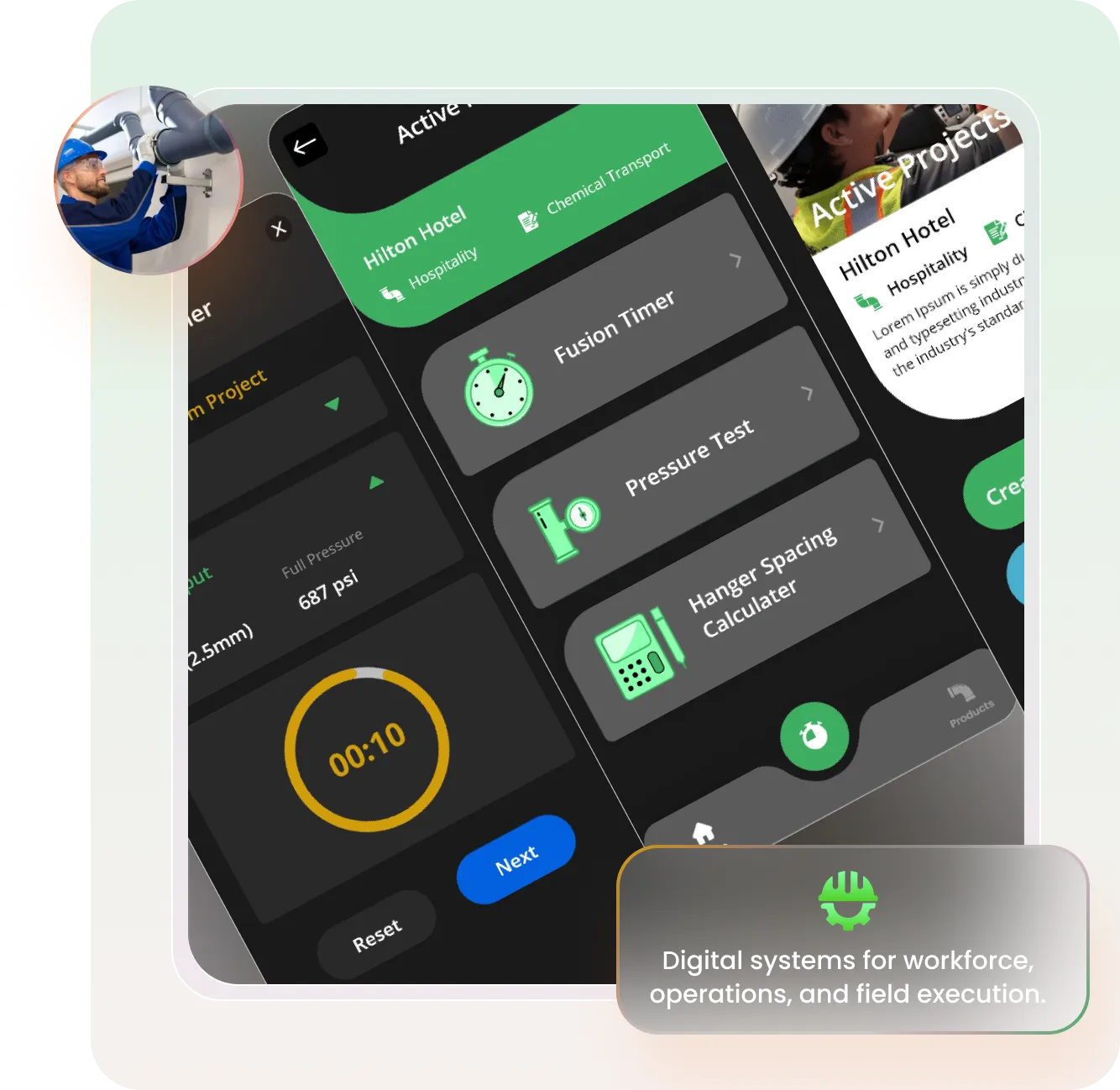
We reduce token usage in native field apps running inspection and reporting assistants.
We reduce token consumption in native apps delivering live commentary and fan-facing chat.

As requirements change or expand, engagement often extends into complementary technology capabilities. Our work reflects this by supporting multiple initiatives across several technology areas‑helping organizations modernize, scale, and accelerate delivery with confidence.


Recognized Across AI, Product Engineering & Digital Innovation

Award by Clutch for The
Award by Clutch for
Award by Google for The
Award by Clutch for The
Award by Clutch for The
Award by Clutch for The

Award by Clutch for The
Award by The Webby Awards for

Certified by Great Place To Work as
Award by The Manifest for The
Award by Clutch for The

Award by The Manifest for The

Award by Conejo Valley for The
September 14, 2026 | 673 Views

CTO

August 31, 2026 | 752 Views

Chief Commercial & Customer Success Officer
August 27, 2026 | 281 Views

Associate Director Technology
Tokens are the basic units large language models use to process text, generated through byte pair encoding that breaks language into smaller subword pieces. Tokens are the smallest text units processed by LLMs, and every prompt, response, and system instruction is measured this way. AI token optimization is the practice of reducing how many tokens a system uses per task without hurting output quality — which is exactly why token optimization matters: at enterprise scale, unmanaged usage quietly inflates the AI bill month over month.
Pricing here is asymmetric. Output tokens typically cost five times more than input tokens, which is one reason verbose responses hurt the AI bill more than long prompts do. Most providers quote pricing per million input tokens and million output tokens processed, so even small gains in input cost or per token efficiency add up fast at scale.
More than most teams expect. A 100-word paragraph consumes around 133 tokens, and once formatting, punctuation, and rare words are factored in, even a short sentence can use more tokens than a plain word count suggests. A single character rarely equals one token, which is why token count and word count are never the same number.
Left unguided, AI models default to caution, padding answers with extra context and repetition. Models often over-generate by default, leading to verbose responses, and without constraints on output length, a model can generate up to 1548 tokens based on a 500-token prompt. Reaching for verbose alternatives over concise, structured formats is rarely intentional — it’s simply default behavior, which is exactly what token optimization strategies are designed to correct.
Yes, significantly. Conversation history can double token size in multi-turn interactions, since every earlier message gets resent to the model with each new turn unless it’s actively trimmed or summarized.
Semantic caching stores and reuses responses for questions that mean the same thing, even worded differently. Semantic caching can reduce costs by up to 73%, and when paired with prompt caching, the savings compound further: prompt caching can cut cached input costs by 90% on repeated context like system instructions. Together, these efficiency gains are often the single biggest lever for cutting the AI bill.
Complex, multi-step queries need more reasoning tokens and take longer to answer. Higher query complexity generally means longer response generation time and, in customer-facing tools, more perceived latency for the person waiting on the other end.
Cost is one piece of it. Efficient prompt optimization and concise instructions also tend to produce faster, more focused answers alongside the savings. Enterprises that invest in this kind of token optimization work typically see efficiency gains across speed, consistency, and reliability, alongside a lower monthly AI bill.
We start with prompt optimization at the instruction level: rewriting verbose system prompts into concise instructions, replacing long paragraphs with bullet points where structure helps the model parse intent faster, and removing redundant context that adds tokens without adding meaning.
We layer prompt caching with semantic caching so repeated and near-duplicate requests skip full reprocessing. Multi-tier caching improves performance in high query repetition, which matters most for high-volume, customer-facing tools where the same handful of questions get asked constantly.
We chunk before we process. Smart chunking splits large documents into manageable parts for processing efficiency, so the model only sees the sections relevant to the task instead of an entire file at once.
Yes. By combining model routing, caching, and shorter context windows, we bring down actual response generation time, which directly improves perceived latency for end users, even before any UI-level loading tricks come into play.
Yes. Our team has worked with models built on extensive training over domain-specific data, and we tailor optimization approaches to how those AI models were trained and where they tend to over-generate. As an AI token optimization company, this deeper model-level context shapes our recommendations beyond surface-level prompt edits.
We track token count, cost per token, and cache hit rates before and after implementation, then compare results against response quality so efficient token usage never comes at the expense of accuracy. Efficiency gains are broken down by feature, which is core to how we deliver AI token optimization services long after the initial build.
We stay close to published research, including work from Microsoft Research on prompt efficiency, and translate those findings into practical AI token optimization strategies for production systems, not just academic benchmarks.
Discover opportunities to reduce token consumption, improve response quality, and unlock significant savings across your AI applications and workflows.
We use cookies to ensure our website functions properly, improve performance, and provide a personalized experience. You can choose which types of cookies to allow below.
Required for core functionality such as security, network management, and accessibility. These cannot be disabled.
Help us understand site traffic and user interactions so we can improve performance and usability.
Enable enhanced functionality and personalization such as language or region preferences.
Used to deliver relevant ads, track campaign performance, and measure advertising effectiveness.