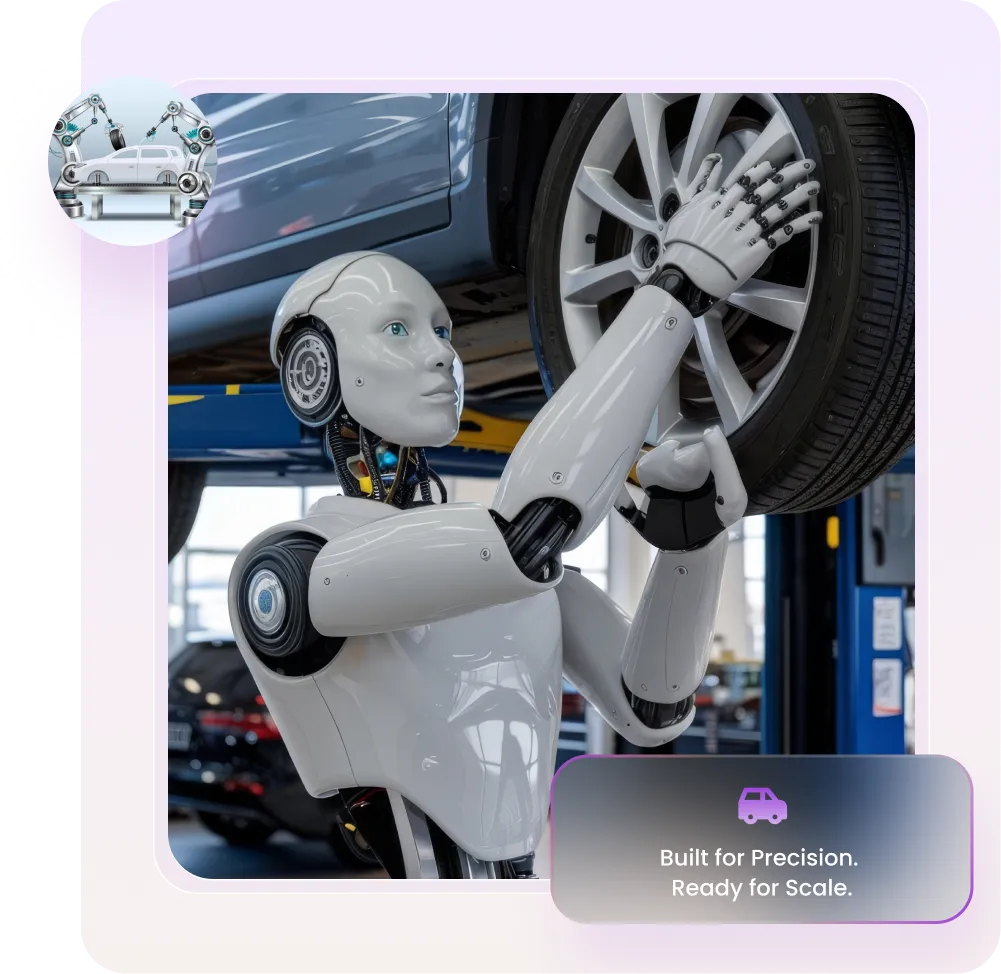
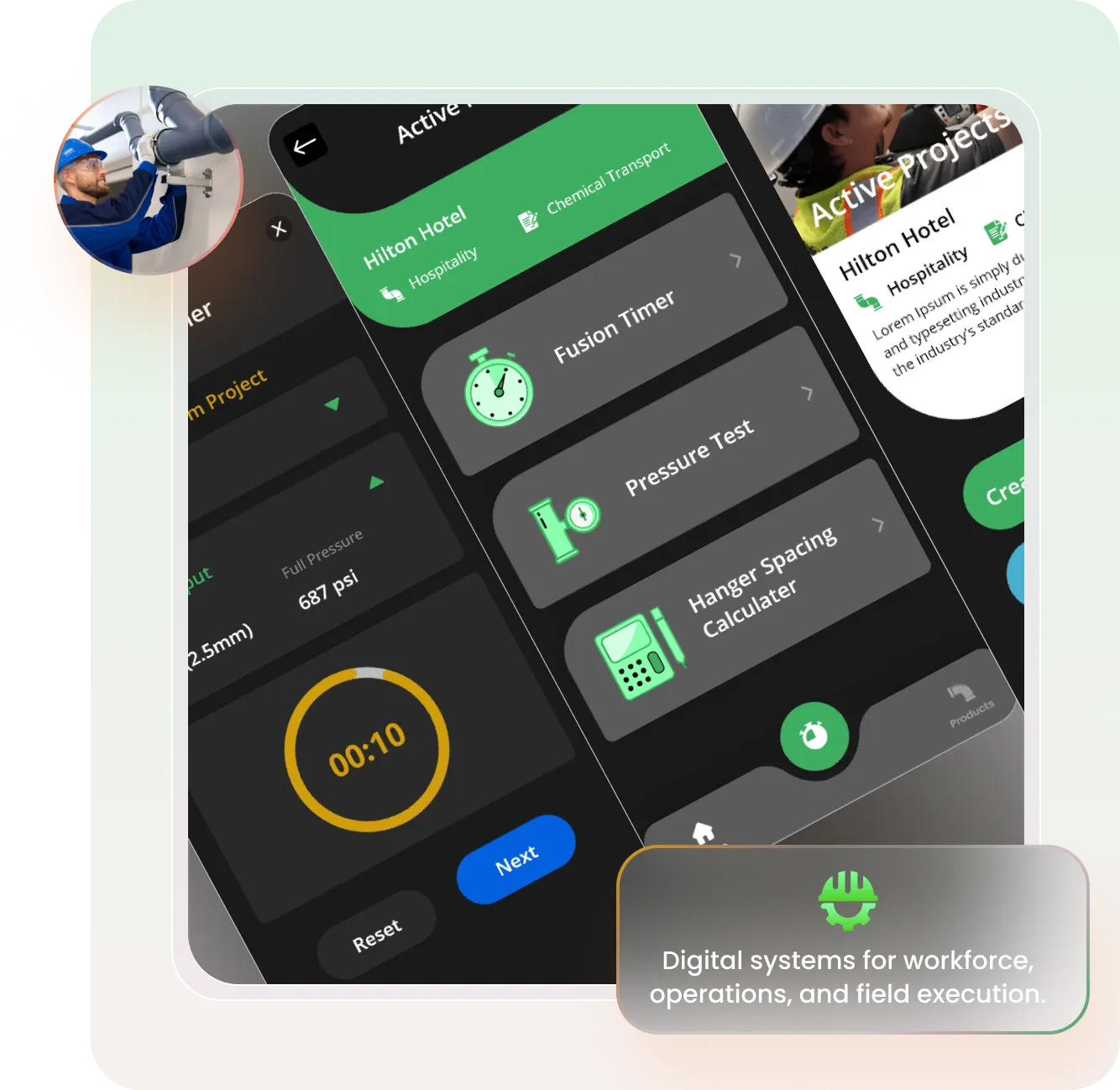
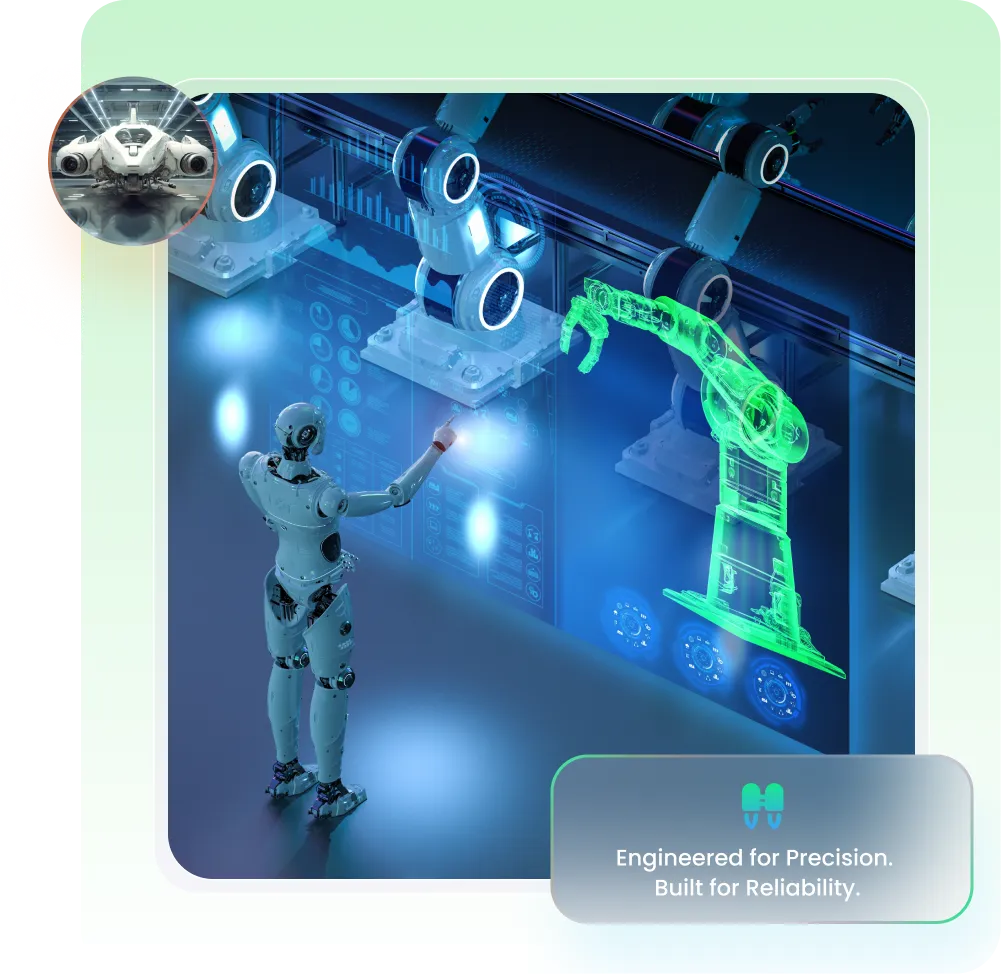
Bipedal Locomotion Software
Real-time balance, gait adaptation, and terrain-aware control for industrial floors and uneven environments.

Uncover the transformative potential of digital and mobile solutions for your industry.




Humanoid & Robotics Software
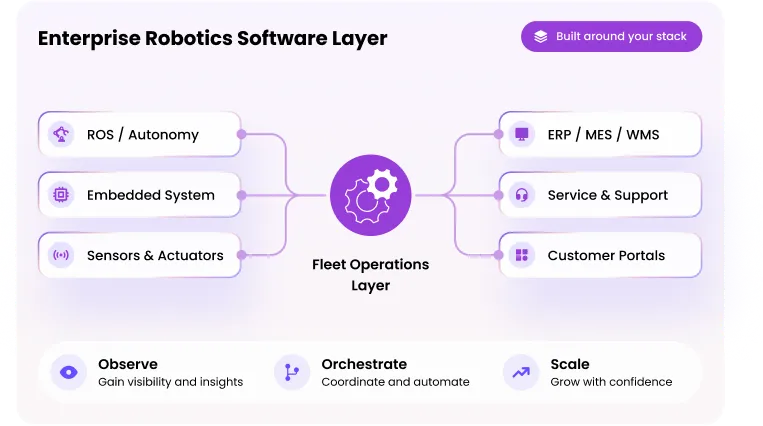
We build the enterprise software layer around humanoid robots‑from
fleet operations and diagnostics to safety, simulation, and ERP/WMS
integration‑without replacing your autonomy or hardware stack.
 Clutch Top
 Clutch Top

 Webby
Webby Google Best App
 AWS Partner
 AWS Partner
AWS Partner
AWS Partner SOC 2
SOC 2 ISO/IEC
ISO/IEC
ISO/IEC





Beyond the robot control stack
A robot can walk, perceive, and complete a task—yet still fail to scale because operators lack fleet visibility, service workflows, deployment controls, and enterprise integrations.
Status, incidents, and utilization live in separate tools.
Teams learn about faults only after a unit stops.
Robots operate outside ERP, WMS, MES, CRM, and
CMMS workflows.
The market is moving fast
The humanoid robot market is projected to grow
nearly 10× by 2035. Build the fleet, operations, diagnostics,
and integration layer needed to move beyond pilots.

Engineering capabilities
Explore the engineering layer you need now. Each capability can be delivered independently or combined into a complete robotics platform.
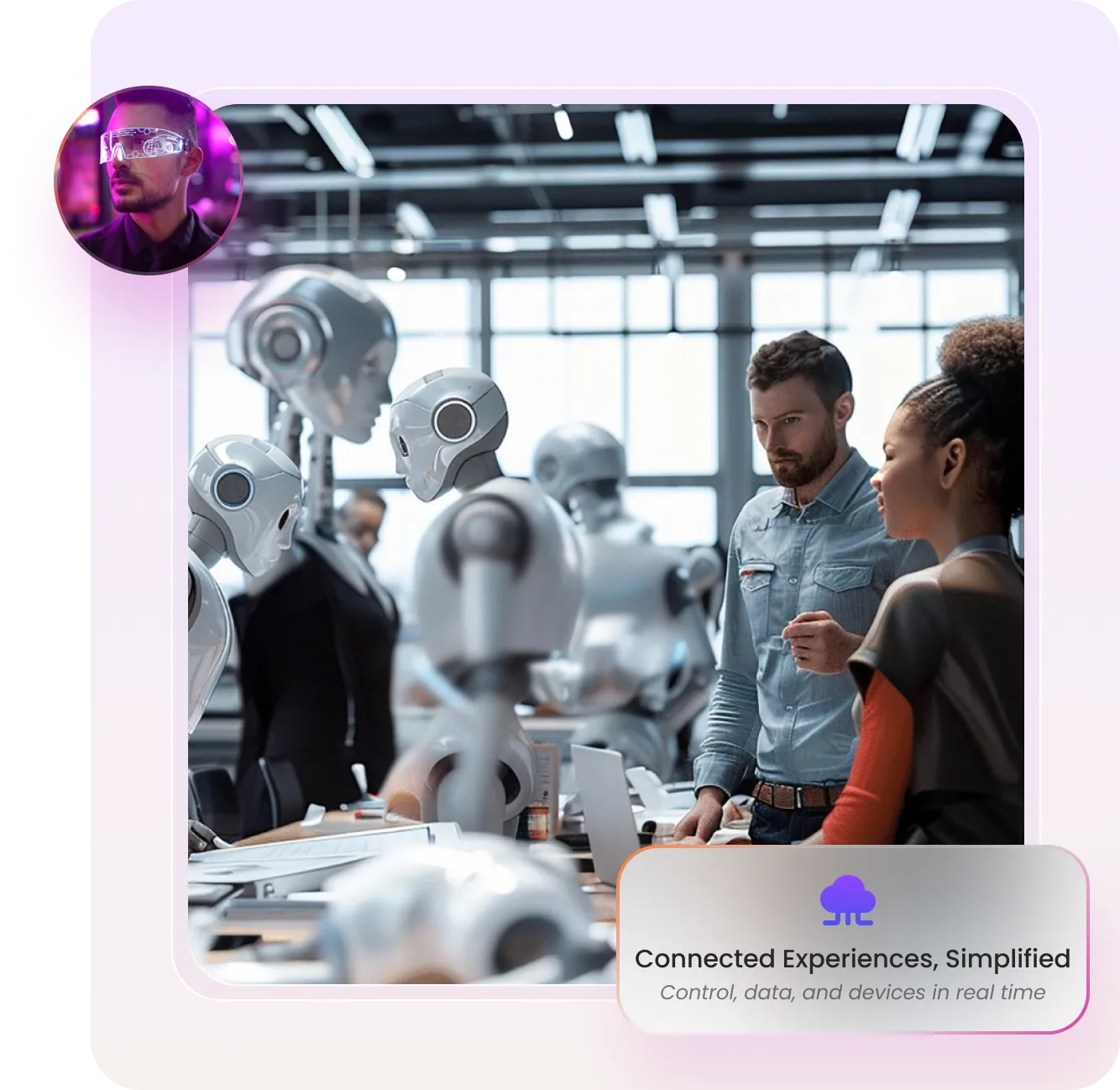
Real-time balance, gait adaptation, and terrain-aware control for industrial floors and uneven environments.
Coordinated perception, planning, and control that enables robots to reason and act reliably in physical spaces.
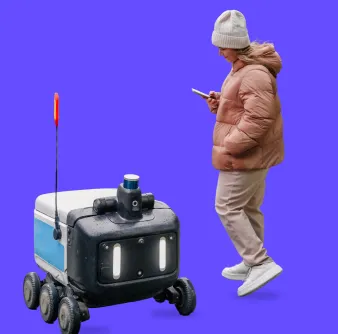
Natural motion models that improve safety and intuitive collaboration around human workers.
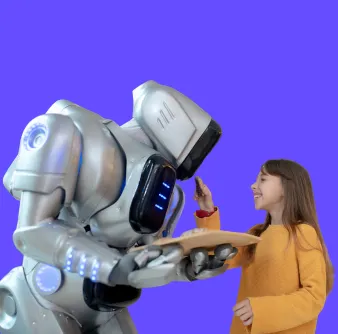
Unified environmental understanding from cameras, LiDAR, IMUs, and other robot sensors.
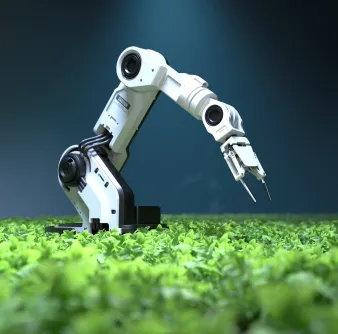
Responsive offline operation with secure fleet-wide synchronization when connectivity returns.
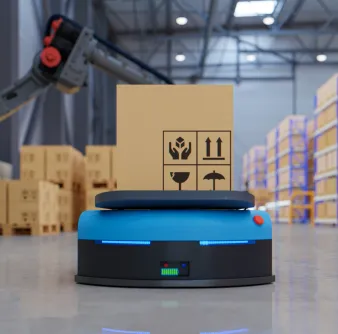
Live status, task utilization, health monitoring, alerts, and site-level controls.
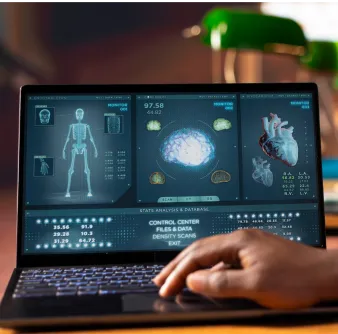
Telemetry pipelines, anomaly detection, fault codes, audit logs, and engineering review tools.
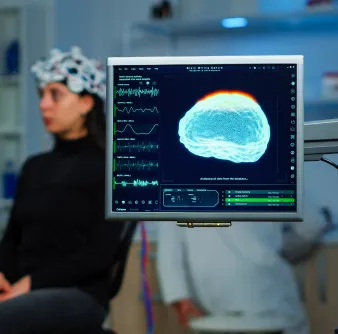
Preventive maintenance, service workflows, asset tracking, and support systems that maximize robot uptime.
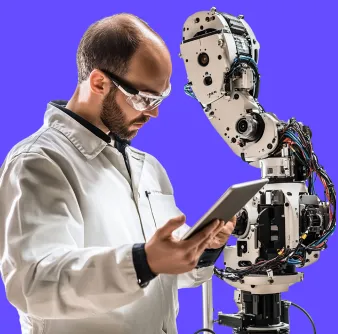
Connect robots with ERP, MES, WMS, CRM, CMMS, tools, and production workflows without disruption.
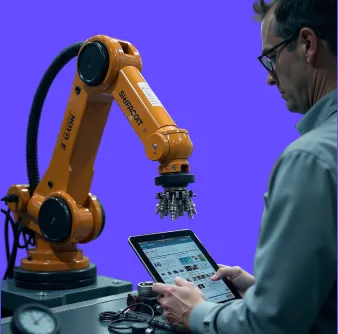
Natural interfaces for directing, monitoring, and collaborating with robots safely.
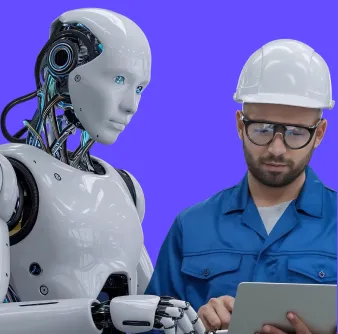
Purpose-built interfaces for operators, technicians, engineers, customers, and fleet administrators.
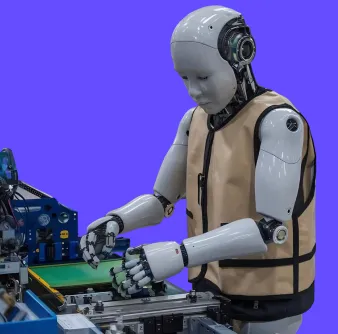
Reliable, loosely coupled data exchange across robot, cloud, and enterprise systems.
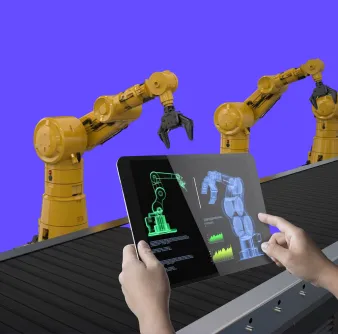
See the software layer in action
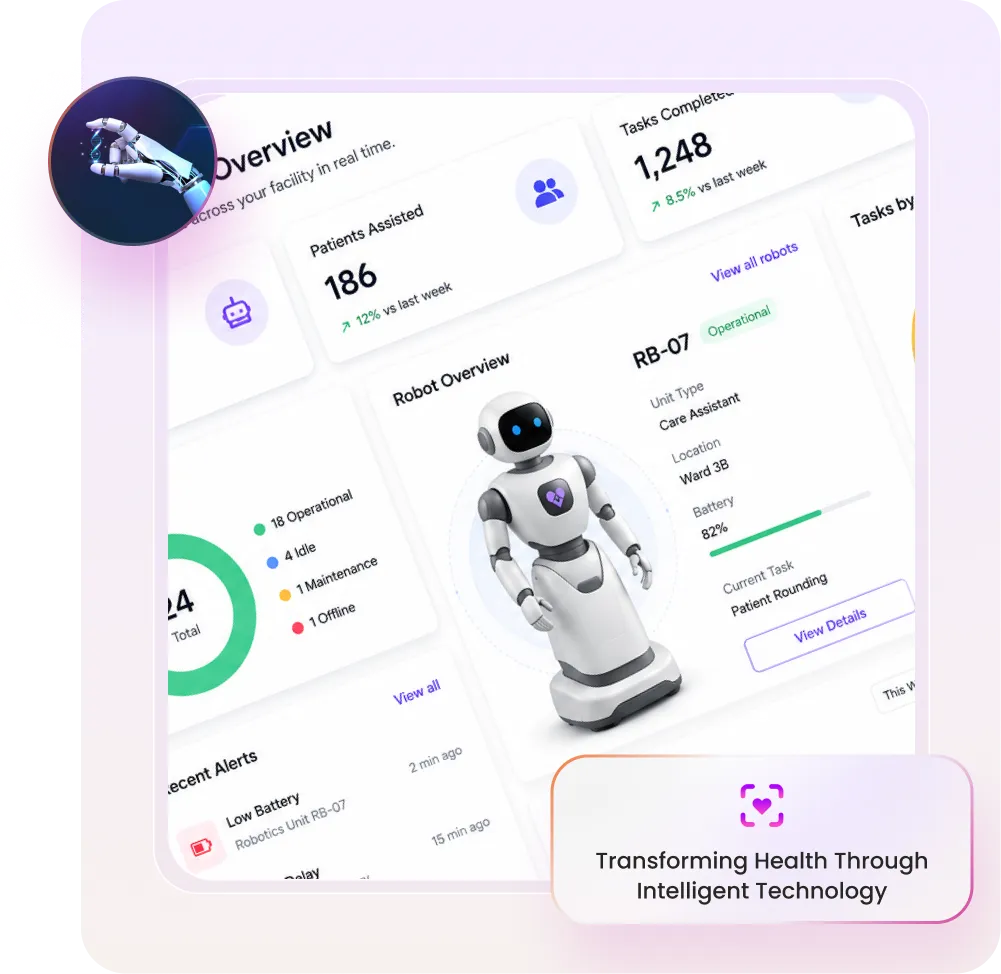
See how fleet visibility, diagnostics, task orchestration, enterprise integrations, and deployment controls come together around your existing robotics stack.
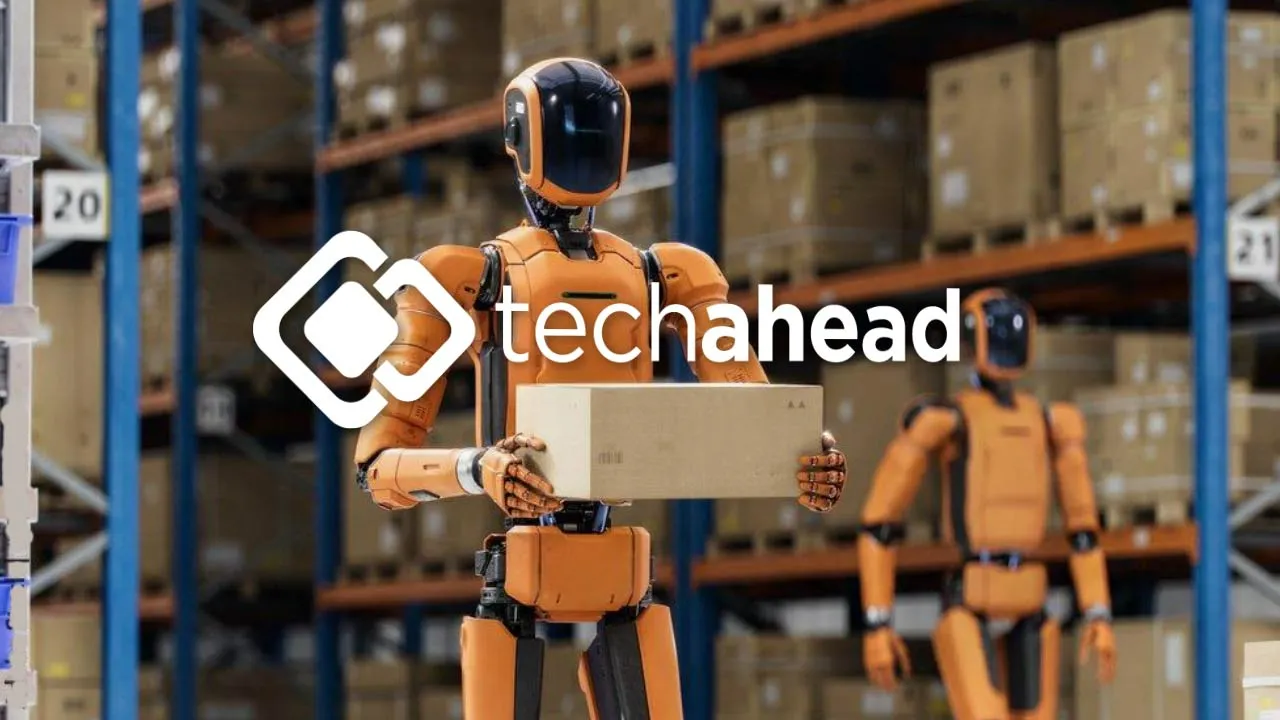
See how fleet visibility, diagnostics, task orchestration, enterprise integration, and deployment controls come together around your existing robotics stack, without touching your autonomy or hardware.
Designed to de-risk production
24/7
Unified fleet visibility across
every robot and site.
60 sec
Targeted abnormal-telemetry
detection for faster response.
Zero downtime
Integration designed around
active ROS, autonomy, and
hardware teams.
3 weeks
Structured assessment with
architecture, backlog, and
estimate.
BEYOND HUMANOIDS
Every robot type hits the same wall after the pilot: no fleet visibility, reactive service, and no link to enterprise systems. We build the software layer around the platforms you already run, without replacing your autonomy or hardware stack.
$78.9B
Running more
than one
robot type?

Delivery framework

Analyze stakeholder workflows, existing systems, and operational gaps to define a scalable portal strategy.

Design portal architecture, user journeys, permissions, and integrations aligned with your robotics ecosystem.

Build the highest-value portal workflows first and validate them with real operational users.

Integrate enterprise systems, onboard stakeholders, and scale the platform across sites and partners.
A comprehensive fitness and wellness platform empowering mothers with personalized nutrition plans and workout programs.
1M+ active users• Top-rated fitness app• Global community
Read Case Study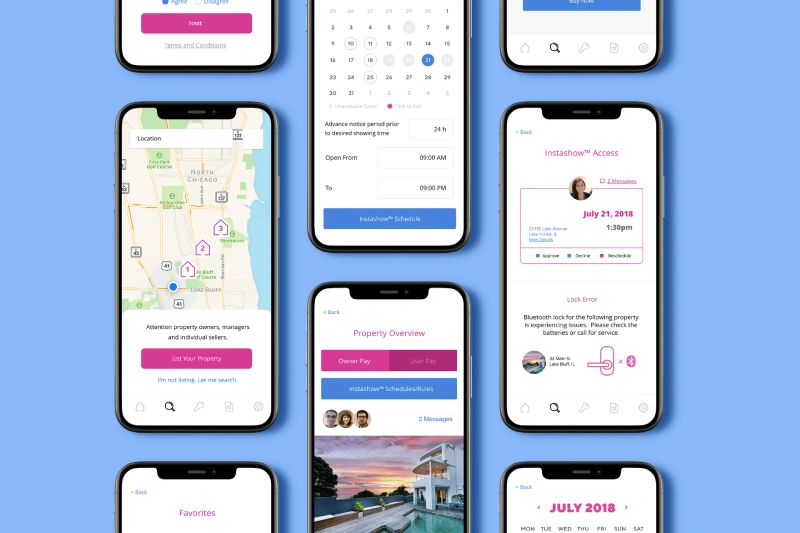 Mobile App • IoT • AWS
Smart self-showing real estate platform enabling keyless property access and seamless tenant-landlord interactions via IoT.
200K+ self-showings• 60% faster leasing• Available on iOS & Android
Read Case StudyA smart IoT wellness platform enabling seamless remote control of recovery and fitness devices.
IoT Firmware• Machine Learning• Mobile App• Wearable App• Application Management• Ongoing Support
Read Case StudyRevolutionizing pharmaceutical staffing in Quebec with real-time shift management and intelligent job matching.
50K+ hires facilitated• 90% candidate satisfaction• 15-day avg. time-to-fill
Read Case StudyA scalable proptech platform delivering AI-driven property discovery and intelligent real estate insights.
30% less downtime• 20% lower energy use• 30% longer equipment life
Read Case StudyA scalable proptech platform delivering AI-driven property discovery and intelligent real estate insights.
30% less downtime• 20% lower energy use• 30% longer equipment life
Read Case Study IoT • Smart Home • AWS
AI-powered smart heating and home automation system with predictive energy management and multi-platform voice control.
30% energy savings• Alexa & Google Home integrated• 50K+ homes automated
Read Case Study
IoT • Smart Home • AWS
AI-powered smart heating and home automation system with predictive energy management and multi-platform voice control.
30% energy savings• Alexa & Google Home integrated• 50K+ homes automated
Read Case StudyAn AI-powered news platform delivering personalized summaries, positive filtering, and intelligent content curation.
AI• ML• NLP• Flutter• UI/UX
Read Case StudyAn award-winning agentic AI referral platform accelerating hiring through intelligent automation and seamless workflows.
2.2M+ referrals• 1.1M+ processed• 13% converted to hires
Read Case StudyAn award-winning agentic AI referral platform accelerating hiring through intelligent automation and seamless workflows.
2.2M+ referrals• 1.1M+ processed• 13% converted to hires
Read Case Study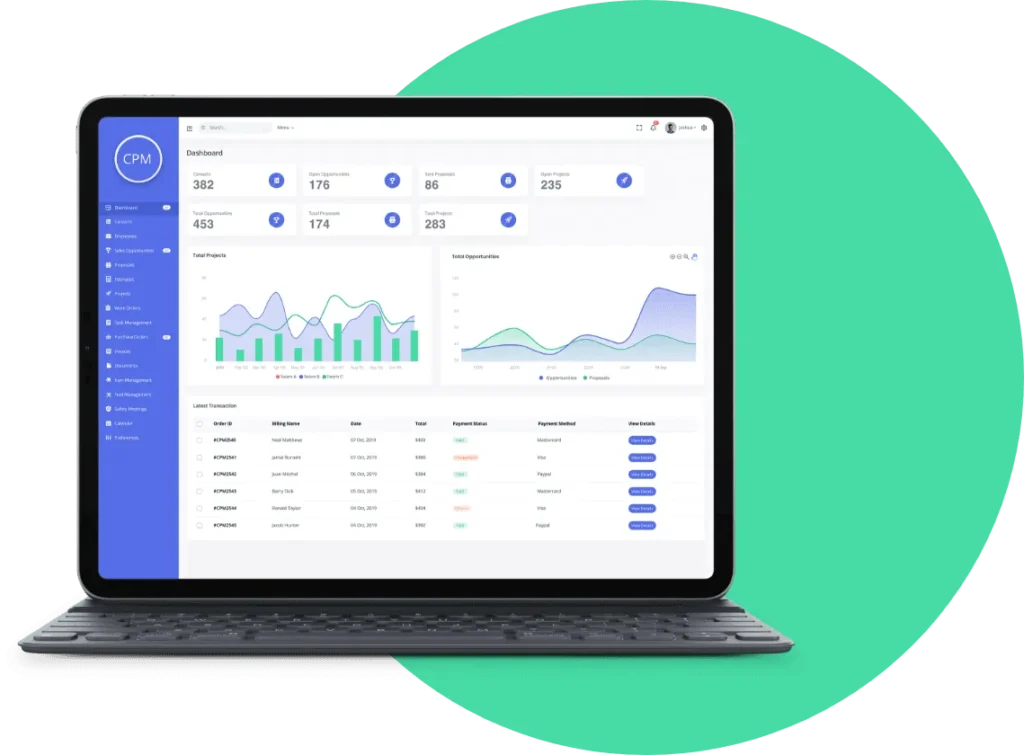 Cloud ERP • Angular • Node.js
End-to-end cloud ERP solution for contractors, streamlining project management, billing, and workforce coordination.
50% faster project delivery• Real-time reporting• Multi-team collaboration
Read Case Study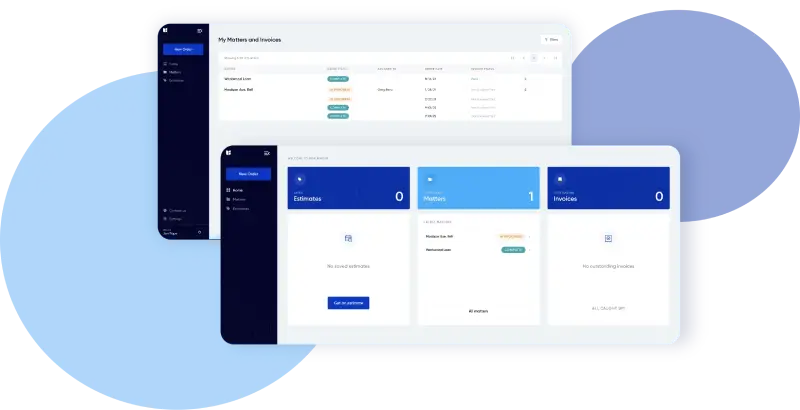 Cloud • SaaS • Enterprise
Cloud-native legal document management system enabling collaboration, version control, and compliance tracking.
70% reduction in document retrieval time• Enterprise-grade security• Multi-user collaboration
Read Case Study AXA
AXA
Delivered AI-powered enterprise transformation to
AXA, the world's largest insurance firm, at a global scale.
Agentic AI• Digital Transformation• Custom Software• Automation
Read Case Study Banking CRM • iOS • Android
Next-gen banking CRM app delivering personalized financial services, rewards management, and secure account operations.
10M+ transactions processed• 99.9% uptime• PCI-DSS compliant
Read Case StudyA secure cross-border payments platform enabling seamless global transactions through scalable fintech infrastructure.
React Native• Multi-Currency Wallet• QR Code Payments• FXtag Transfers• KYC Compliance• Firebase• Secure Transactions• MySQL• AWS• DevOps• CI/CD
Read Case StudyA unified platform managing 10,000+ devices, delivering 99.9% uptime through real-time data processing.
IoT• Real-Time Systems• Network Protocols• Data Visualization• Enterprise Security• Cloud Computing
Read Case Study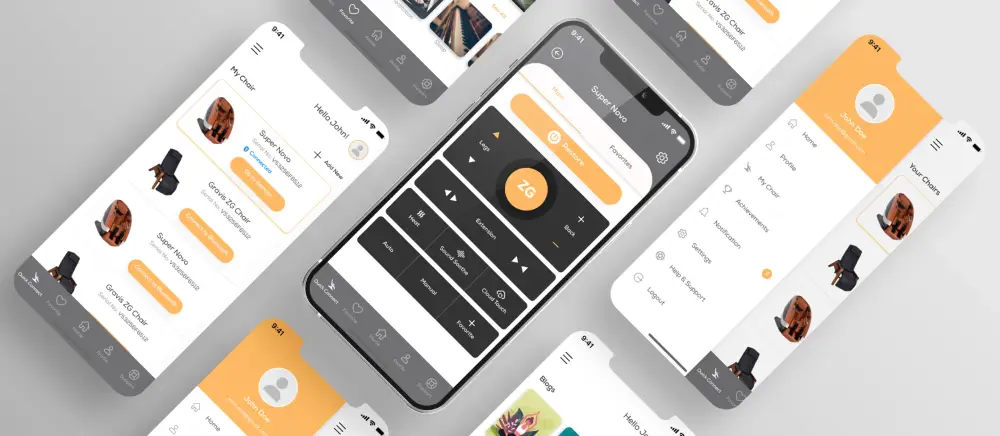 IoT • Mobile App • Cloud Services
Connected wellness IoT platform integrating massage chairs with mobile control, personalized programs, and analytics.
200K+ connected devices• 4.7★ user rating• Real-time device sync
Read Case Study Sports App • iOS • Android
High-performance Formula 1 sports app delivering real-time race data, live scores, driver stats, and immersive fan experiences.
5M+ downloads• Real-time race telemetry• Global fan base
Read Case Study Cricket App • Swift • Kotlin
A global cricket gaming and fan platform combining live matches, fantasy leagues, and fan engagement features.
ICC partnership• 3M+ cricket fans• Multi-country deployment
Read Case Study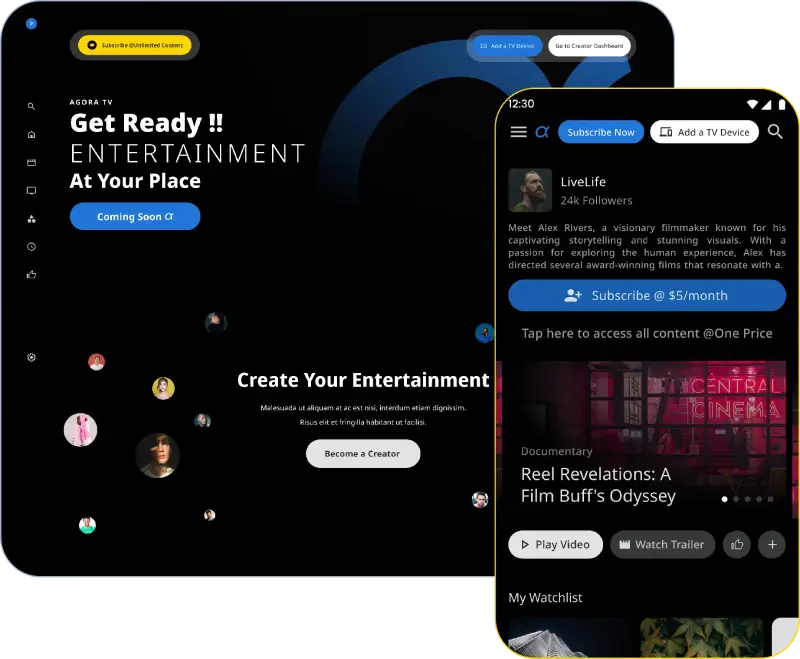 OTT • Smart TV • Cloud
A connected entertainment platform delivering seamless streaming experiences across smart TVs and mobile devices.
134% subscription conversion growth• 96% retention rate Multi-device experience
Read Case Study




















From intelligence to physical action
Humanoid robots assist clinical staff with patient monitoring, mobility support, and repetitive caregiving tasks safely.
We connect humanoid robots to sensor networks and edge devices for real-time environmental awareness.
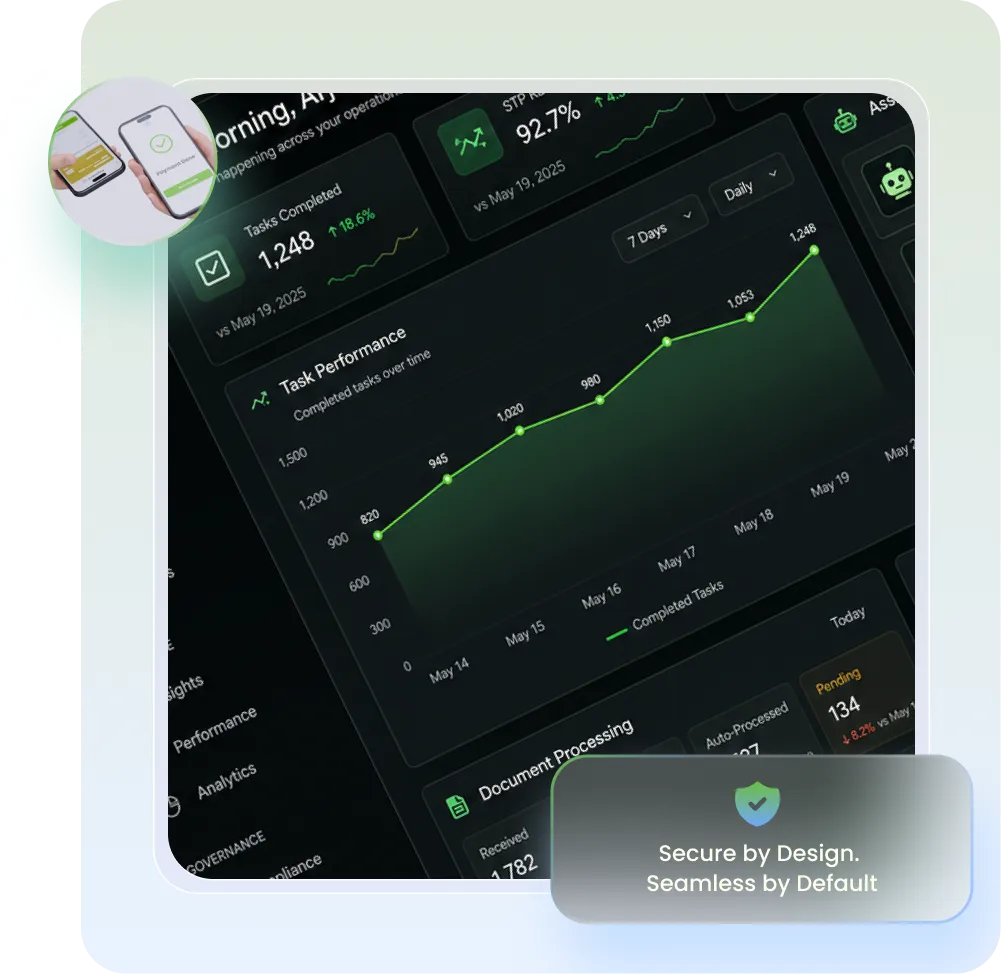
Robotic assistants streamline branch operations, document handling, and repetitive back-office tasks across financial institutions.
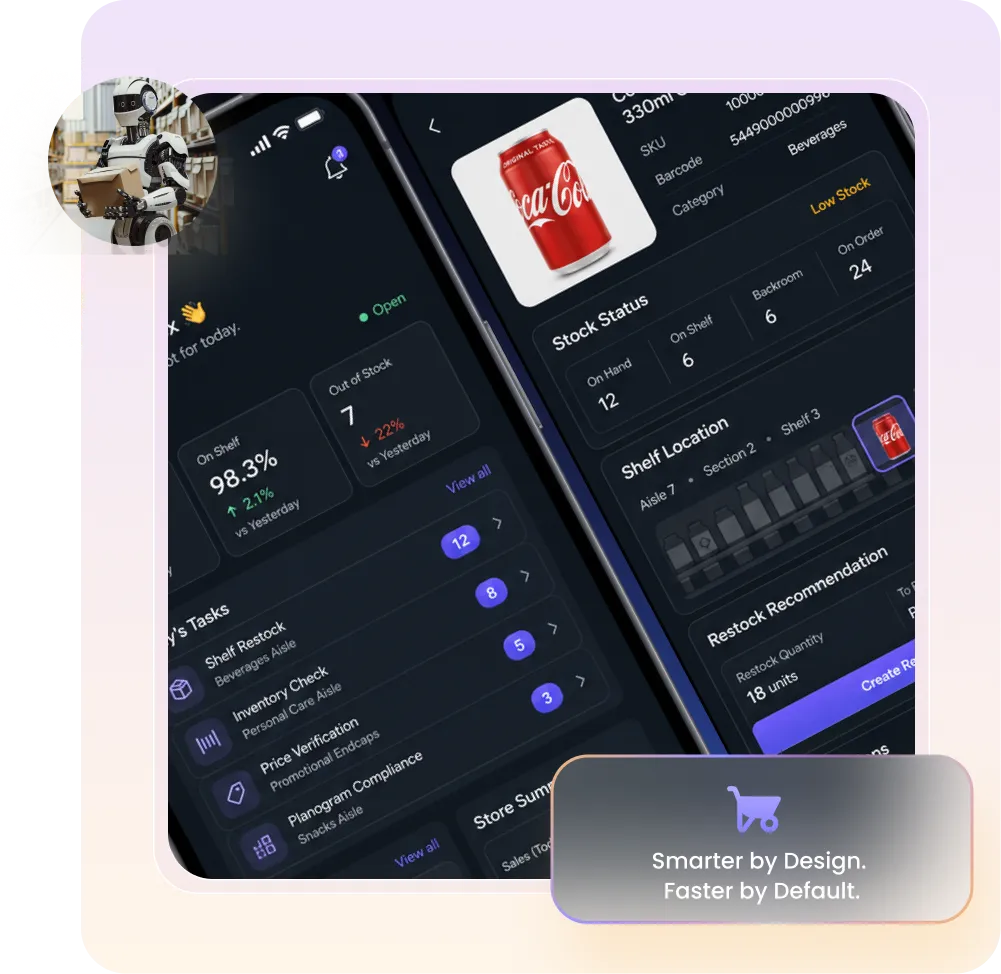
Humanoid robots support inventory checks, shelf restocking, and customer assistance across retail and warehouse environments.
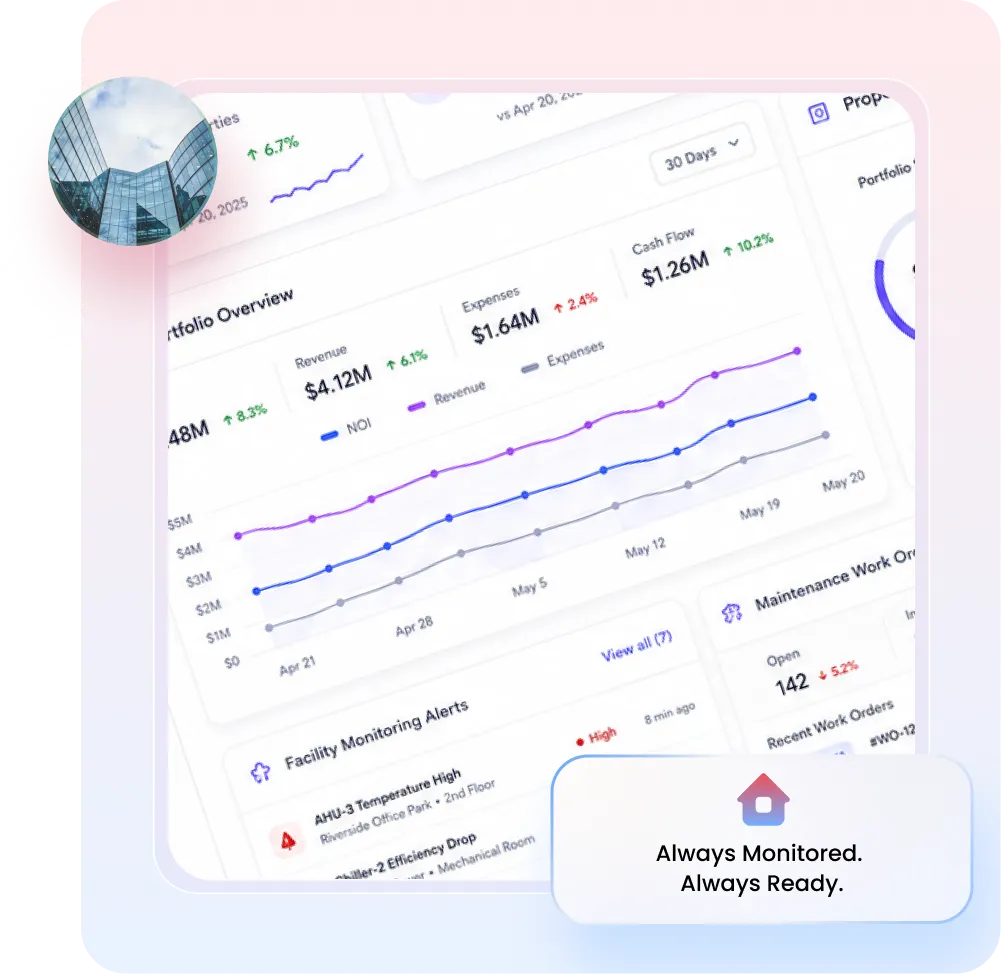
Robots assist with property inspections, maintenance tasks, and facility monitoring across large real estate portfolios.
Humanoid robots handle assembly-line tasks, component handling, and quality inspection across automotive and EV manufacturing plants.
AI-powered industrial systems enable predictive monitoring, automation, infrastructure intelligence, and workflow optimization on factory floors.
Robots perform hangar inspections, hazardous-environment operations, and precision assembly across aerospace and defence facilities.
As requirements change or expand, engagement often extends into complementary technology capabilities. Our work reflects this by supporting multiple initiatives across several technology areas‑helping organizations modernize, scale, and accelerate delivery with confidence.


Recognized Across AI, Product Engineering & Digital Innovation

Award by Clutch for The

Award by Clutch for

Award by Google for The
Award by Clutch for The

Award by Clutch for The
Award by Clutch for The
Award by Clutch for The

Award by The Webby Awards for

Certified by Great Place To Work as
Award by The Manifest for The

Award by Clutch for The
Award by The Manifest for The

Award by Conejo Valley for The
The Intelligence Behind Physical AI





































August 6, 2026 | 345 Views

Field CTO
February 23, 2026 | 1206 Views

CTO
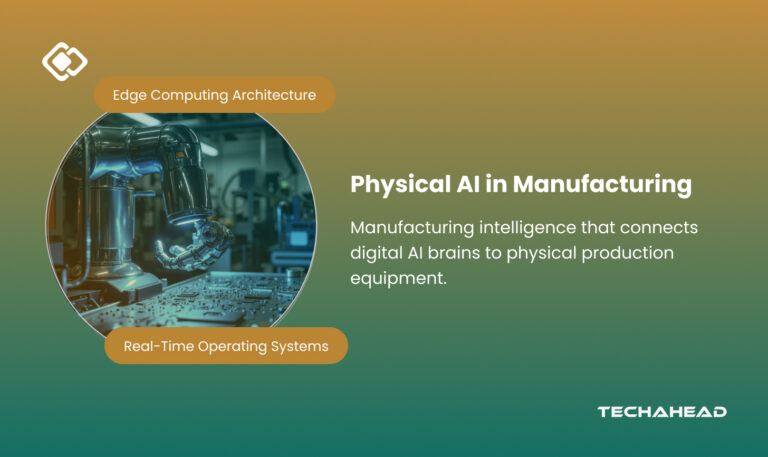
January 27, 2026 | 1509 Views
Field CTO
Humanoid robotics is the field of engineering robots that replicate human motion and form, combining mechanical design, perception, and AI to let a machine walk, balance, and manipulate objects the way a person would. It spans everything from the physical hardware to the software that controls how the robot senses and acts.
Companies need software well beyond the robot's own control stack: fleet operations to track and coordinate units, field service tools for technicians, diagnostics to catch failures early, portals for suppliers and customers, and integration into existing ERP, CRM, and WMS systems. Without this layer, a working robot cannot become a production deployment.
Most AI automation operates on digital data and workflows. Humanoid robotics is embodied AI: it has to sense a physical environment, plan movement through it, and act on real objects in real time. This makes it a distinct engineering discipline, closer to robotics and control systems than to typical software automation, even though both rely on AI models underneath.
Humanoid robots currently represent a small fraction of total robot deployments. AI-driven robotics is a top global trend for 2026. Humanoid robots are projected to grow from $4.89 billion in 2025 to $165.13 billion by 2034, projecting a CAGR of 50.60% from 2025 to 2034.
Building humanoid robotic development software combines multiple technologies that enable robots to perceive, learn, move, and interact safely with their environment. Robots can recognize objects and read human gestures through computer vision, while Sim-to-Real training leverages advanced physics engines and reinforcement learning to prepare robots for real-world conditions. Simulation-first development is increasingly used for training and validating robots, reducing risks and accelerating deployment. To ensure safe operation, standard protocols emphasize safety in robotic design and operation. Many advanced platforms also rely on proprietary AI frameworks, a proprietary AI stack for humanoid robots, to coordinate perception, planning, and control. These technologies support real-world capabilities, allowing humanoid robots to handle payloads up to 15 kg and operate autonomously for up to four hours. As commercial adoption grows, Robot-as-a-Service (RaaS) models shift capital expenditures to operational expenses, making deployments more accessible. This progress is reflected in real-world implementations, with humanoid robots being piloted in Amazon fulfillment centers, while innovations continue to push performance.
Companies that specialize in the enterprise software layer around robot hardware build humanoid and robotics software, distinct from the robot manufacturers who build the robot's own control stack. The right partner combines enterprise software delivery experience with a clear understanding of robotics-specific constraints like offline behavior, safety boundaries, and fleet-scale data. TechAhead brings both, backed by security certifications and cloud and AI partnerships relevant to this category.
A robotics OEM typically needs a partner who can build the operations layer without touching the robot's own autonomy stack. TechAhead works alongside a client's existing ROS and embedded teams to deliver fleet operations, service, and diagnostics software that connects to enterprise systems. Also, TechAhead is a humanoid robot software development company that builds fleet operations, field service, diagnostics, and portal software for robotics OEMs and operators.
Timelines vary by fleet size and existing tooling, but engagements typically begin with a two-to-four week production-readiness assessment before a phased build. Overall, developing AI software for humanoids can take 18-24 months for full systems.
The average cost of humanoid robotics software development typically ranges from $100,000 to over $1 million, depending on the scope and complexity of the project. A basic software stack with navigation, perception, and motion control generally falls between $100,000 and $250,000. Mid-level solutions with computer vision, AI-powered decision-making, cloud connectivity, and system integrations typically cost $250,000 to $600,000. Enterprise-grade humanoid robotics platforms featuring autonomous behaviors, reinforcement learning, digital twins, fleet management, safety compliance, and continuous optimization often exceed $1 million. The final investment depends on the robot hardware, AI capabilities, deployment environment, third-party integrations, and long-term maintenance requirements.
Yes. Enterprise integration with systems like WMS, MES, ERP, CRM, and CMMS is a core part of the platform, built as event-driven connections that treat the client's existing systems as the system of record.
In a structured assessment, we map your fleet operations,
integration boundaries, production risks, and
highest-value software workflows.
We use cookies to ensure our website functions properly, improve performance, and provide a personalized experience. You can choose which types of cookies to allow below.
Required for core functionality such as security, network management, and accessibility. These cannot be disabled.
Help us understand site traffic and user interactions so we can improve performance and usability.
Enable enhanced functionality and personalization such as language or region preferences.
Used to deliver relevant ads, track campaign performance, and measure advertising effectiveness.