Use-Case & Workflow Design
Identify high-value workflows, define agent responsibilities, and map where automation can create measurable impact.

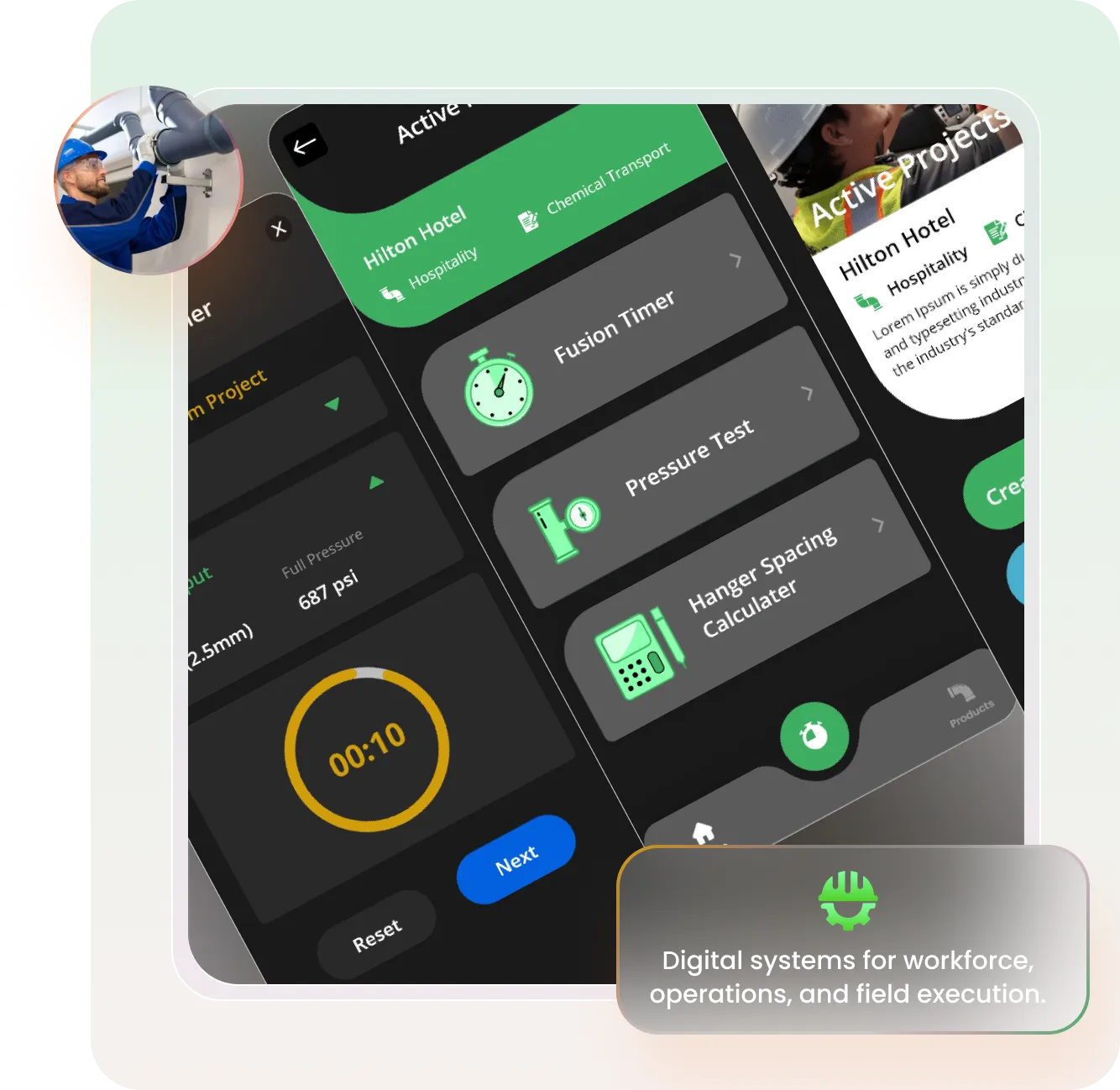
Uncover the transformative potential of digital and mobile solutions for your industry.




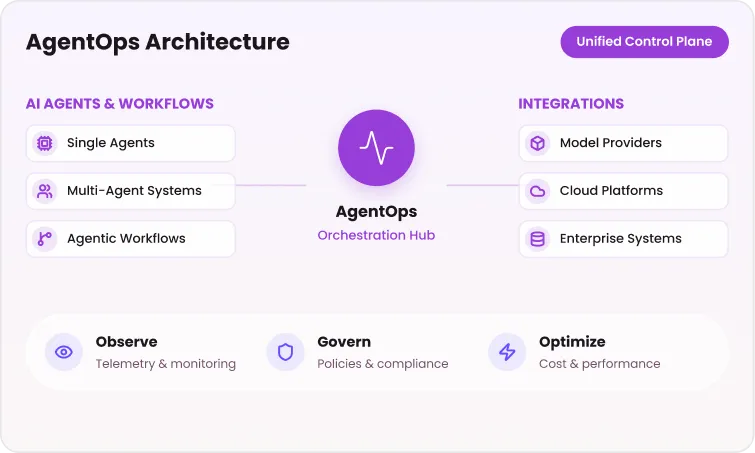
As a leading AgentOps service provider, we design, deploy, govern, and continuously improve enterprise AI agents across models, clouds, tools, and business workflows.





ONE OPERATING MODEL
Identify high-value workflows, define agent responsibilities, and map where automation can create measurable impact.
Design agents with the right models, tools, memory, orchestration, and enterprise integrations.
Define approval and escalation paths while enforcing scoped identities and least-privilege access to data, systems, and tools.
Test agent quality, safety, task completion, and reliability before moving agents into production.
Maintain visibility into every agent while applying ownership, lifecycle management, policies, guardrails, risk tiers, and governance standards.
Track agent behavior, tool usage, outcomes, failures, and business performance from a common operating model.
Monitor production agents, identify failures quickly, and resolve incidents before they disrupt critical workflows.
Improve latency, model and infrastructure efficiency, and operating costs across the agent fleet.
Continuously evaluate quality, safety, task success, regressions, availability, and service levels to keep agents dependable at scale.
THE AGENTOPS STACK
Platform-neutral by design. We work with the AI, cloud, workflow, data, and observability technologies already in your enterprise.
AgentOps
Market
THE PRODUCTION GAP
AgentOps services close the production gap by bringing the visibility, control, and reliability needed to operate AI agents beyond the prototype stage.
Know what every agent is doing, which tools and data it is accessing, and how it is behaving across workflows.
Define permissions, policies, guardrails, and human intervention points so agents operate safely and within business rules.
Continuously measure success, failures, latency, cost, and quality to keep every agent dependable in production.
Digital Products & AI-Powered
Solutions Delivered
Days Average
Pilot-to-Production Timeline
Enterprise Clients Trust Our
AI Strategy & Delivery
Years of Proven Success
in the Industry
In-House AI Engineers &
Data Scientists











WHAT CHANGES
Every agent, owner, dependency,
and action.
Every identity, tool, policy, and
release.
Every workflow measured against
production SLOs.
Every operating cost linked to a
business outcome.
HOW WE ENGAGE
Whether you have one agent approaching launch or dozens already in production, we create a practical path to governed scale.

Identify active and planned agents, owners, dependencies, risk levels, production gaps, and business priorities.

Establish governance, ownership, access policies, SLOs, evaluation criteria, escalation paths, and human controls.

Implement agent registry, identity controls, guardrails, telemetry, evaluations, dashboards, release gates, and runbooks.

Track reliability, incidents, cost, quality, and business outcomes while continuously improving agent performance and autonomy.
A comprehensive fitness and wellness platform empowering mothers with personalized nutrition plans and workout programs.
1M+ active users• Top-rated fitness app• Global community
Read Case Study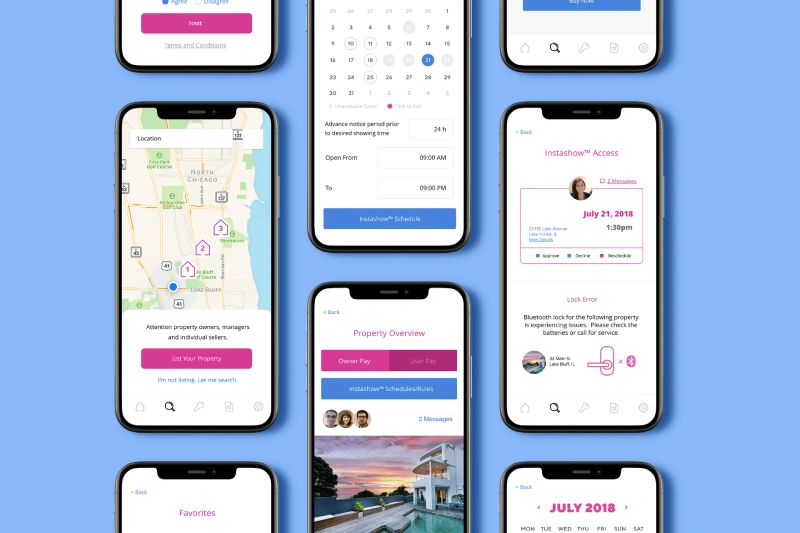 Mobile App • IoT • AWS
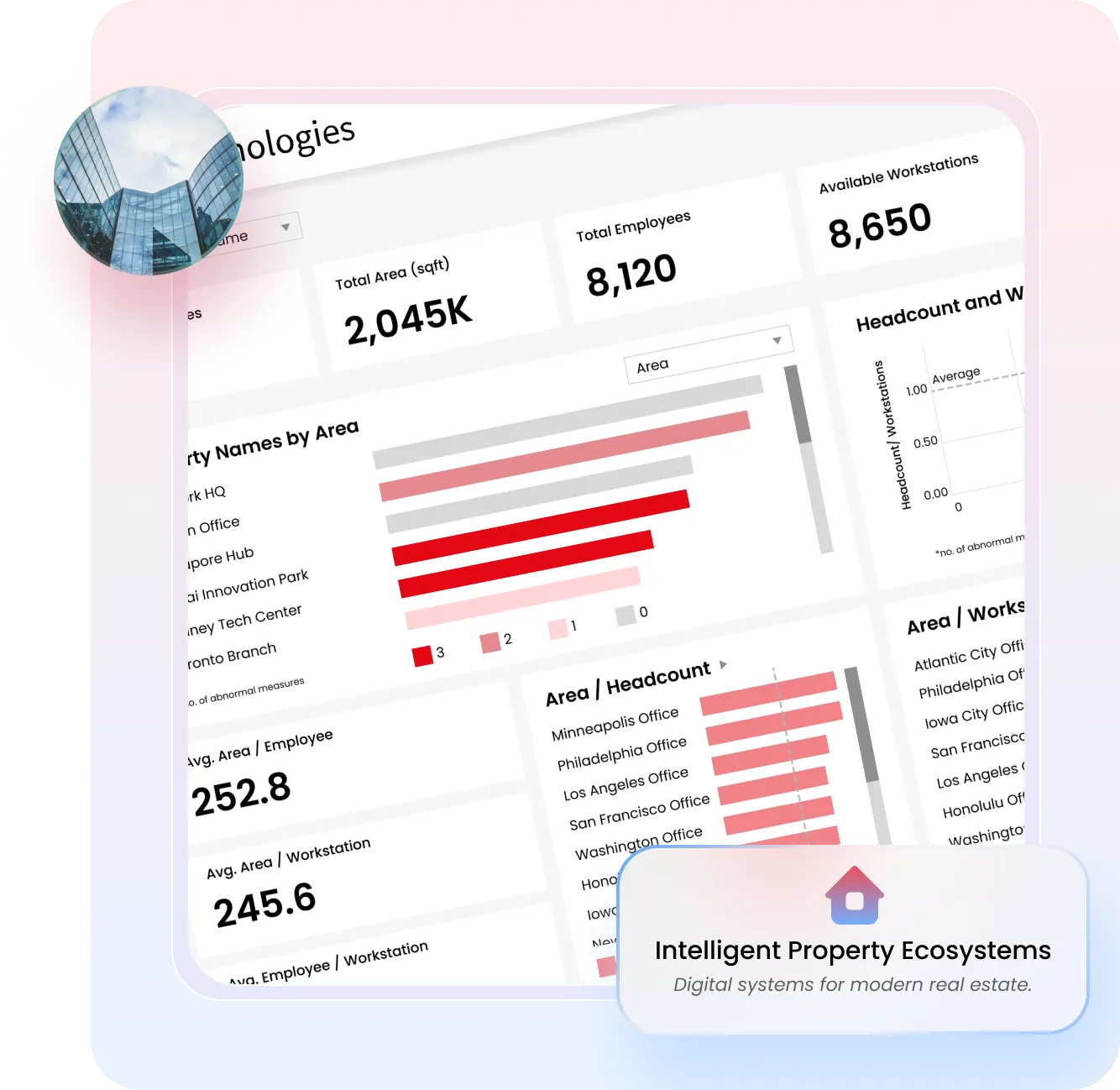
Smart self-showing real estate platform enabling keyless property access and seamless tenant-landlord interactions via IoT.
200K+ self-showings• 60% faster leasing• Available on iOS & Android
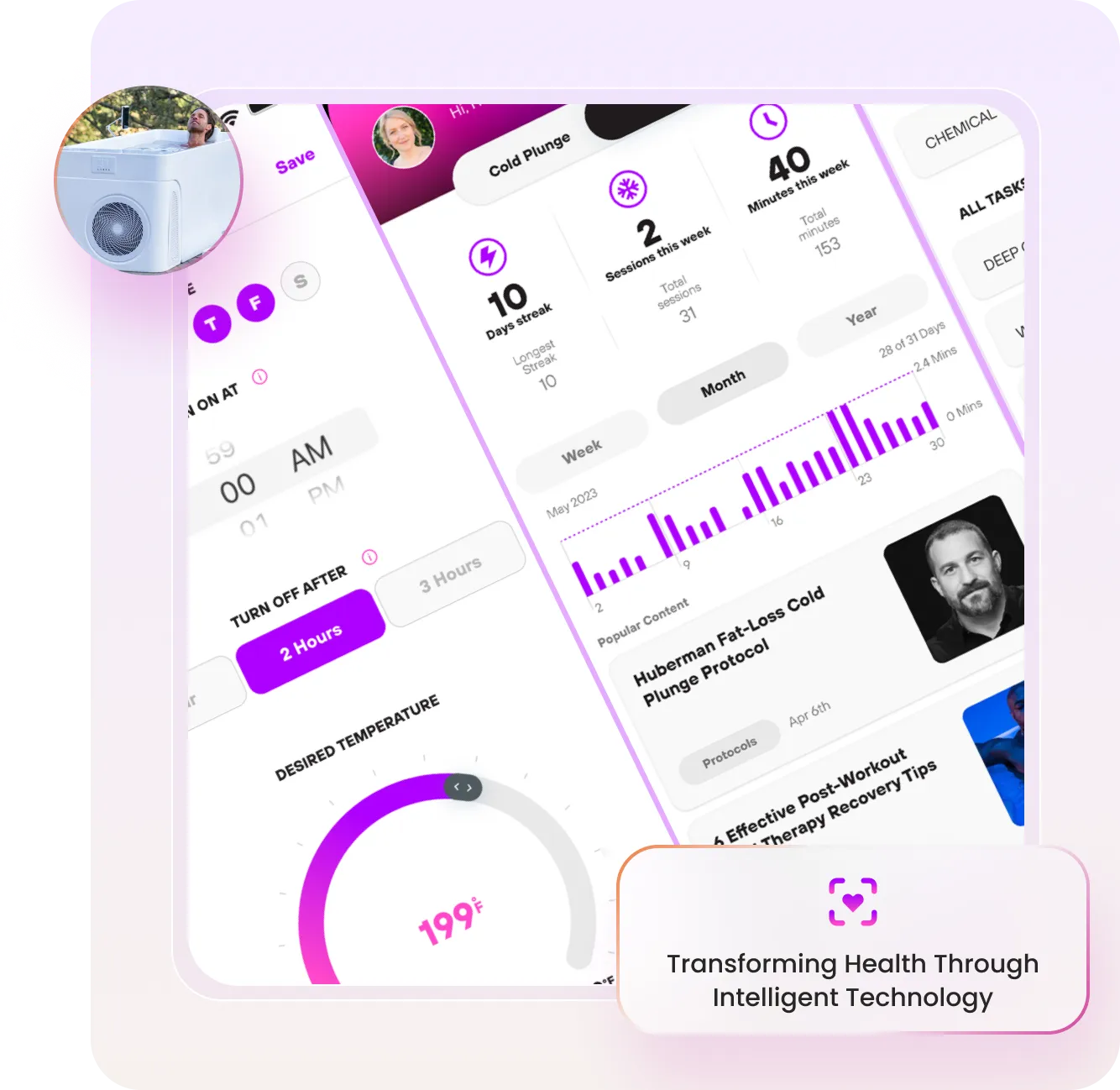
Read Case StudyA smart IoT wellness platform enabling seamless remote control of recovery and fitness devices.
IoT Firmware• Machine Learning• Mobile App• Wearable App• Application Management• Ongoing Support
Read Case StudyRevolutionizing pharmaceutical staffing in Quebec with real-time shift management and intelligent job matching.
50K+ hires facilitated• 90% candidate satisfaction• 15-day avg. time-to-fill
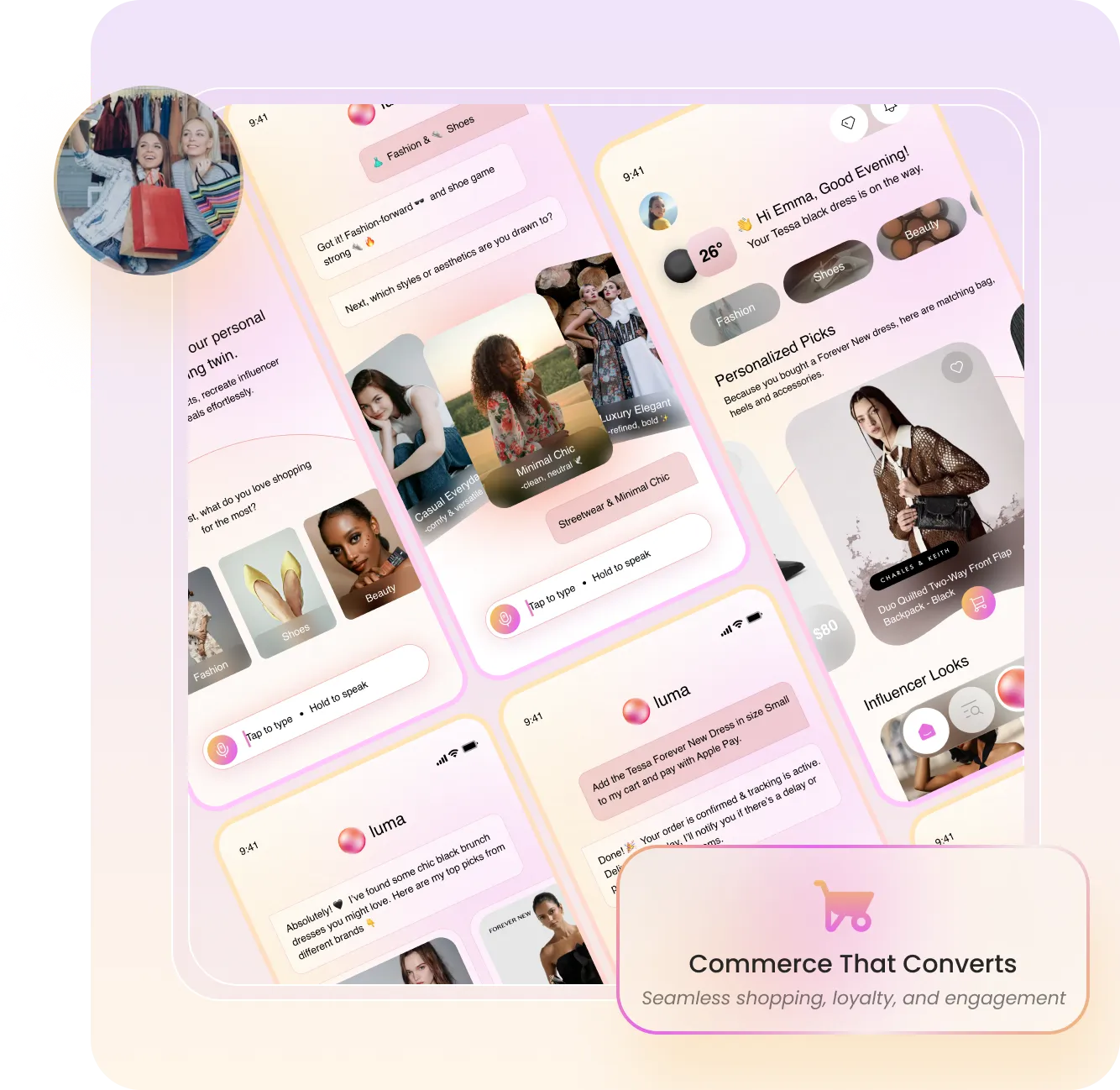
Read Case StudyA scalable proptech platform delivering AI-driven property discovery and intelligent real estate insights.
30% less downtime• 20% lower energy use• 30% longer equipment life
Read Case StudyA scalable proptech platform delivering AI-driven property discovery and intelligent real estate insights.
30% less downtime• 20% lower energy use• 30% longer equipment life
Read Case Study IoT • Smart Home • AWS
AI-powered smart heating and home automation system with predictive energy management and multi-platform voice control.
30% energy savings• Alexa & Google Home integrated• 50K+ homes automated
Read Case Study
IoT • Smart Home • AWS
AI-powered smart heating and home automation system with predictive energy management and multi-platform voice control.
30% energy savings• Alexa & Google Home integrated• 50K+ homes automated
Read Case StudyAn AI-powered news platform delivering personalized summaries, positive filtering, and intelligent content curation.
AI• ML• NLP• Flutter• UI/UX
Read Case StudyAn award-winning agentic AI referral platform accelerating hiring through intelligent automation and seamless workflows.
2.2M+ referrals• 1.1M+ processed• 13% converted to hires
Read Case StudyAn award-winning agentic AI referral platform accelerating hiring through intelligent automation and seamless workflows.
2.2M+ referrals• 1.1M+ processed• 13% converted to hires
Read Case Study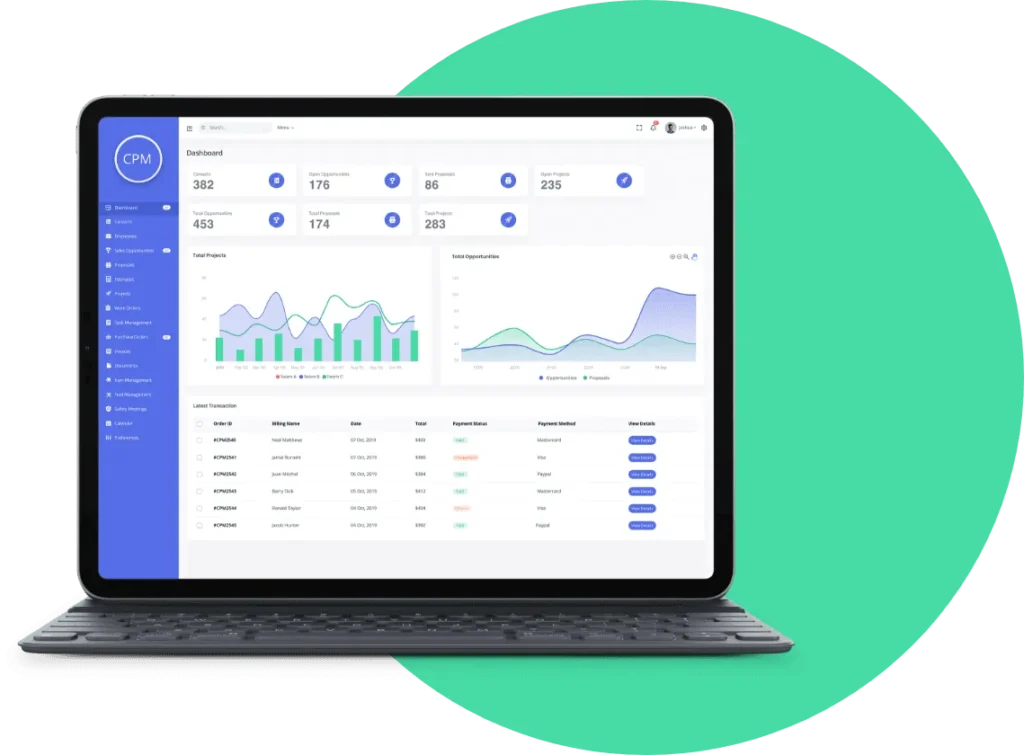 Cloud ERP • Angular • Node.js
End-to-end cloud ERP solution for contractors, streamlining project management, billing, and workforce coordination.
50% faster project delivery• Real-time reporting• Multi-team collaboration
Read Case Study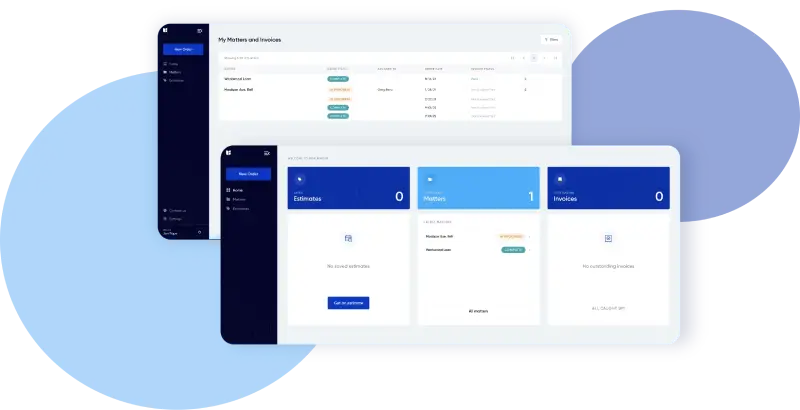 Cloud • SaaS • Enterprise
Cloud-native legal document management system enabling collaboration, version control, and compliance tracking.
70% reduction in document retrieval time• Enterprise-grade security• Multi-user collaboration
Read Case Study AXA
AXA
Delivered AI-powered enterprise transformation to
AXA, the world's largest insurance firm, at a global scale.
Agentic AI• Digital Transformation• Custom Software• Automation
Read Case Study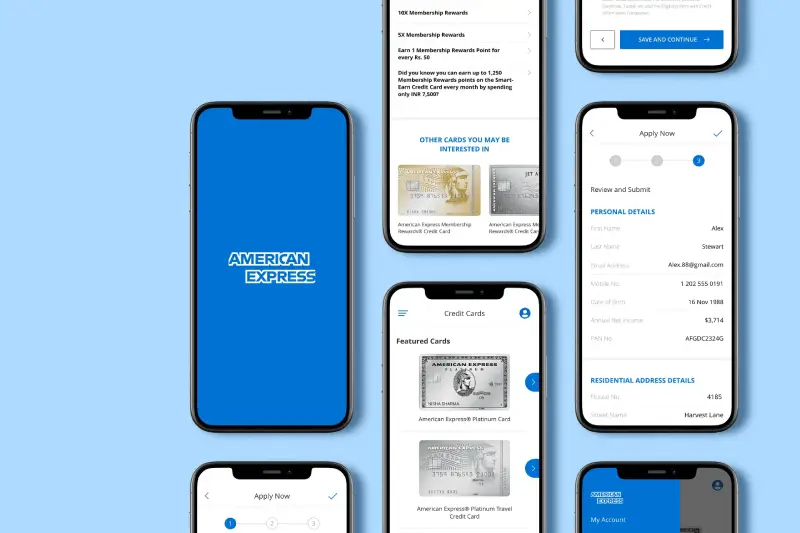 Banking CRM • iOS • Android
Next-gen banking CRM app delivering personalized financial services, rewards management, and secure account operations.
10M+ transactions processed• 99.9% uptime• PCI-DSS compliant
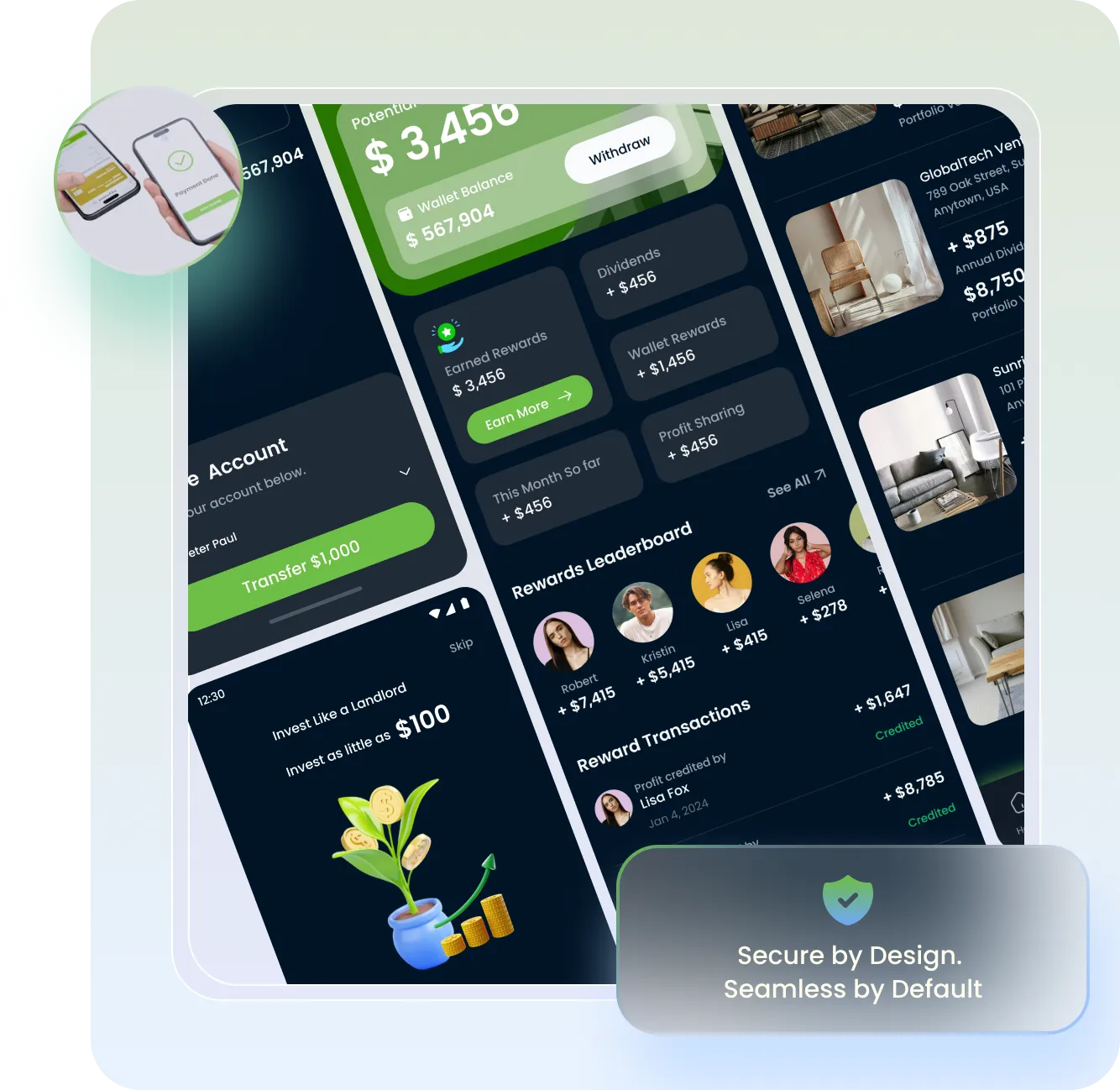
Read Case StudyA secure cross-border payments platform enabling seamless global transactions through scalable fintech infrastructure.
React Native• Multi-Currency Wallet• QR Code Payments• FXtag Transfers• KYC Compliance• Firebase• Secure Transactions• MySQL• AWS• DevOps• CI/CD
Read Case StudyA unified platform managing 10,000+ devices, delivering 99.9% uptime through real-time data processing.
IoT• Real-Time Systems• Network Protocols• Data Visualization• Enterprise Security• Cloud Computing
Read Case Study IoT • Mobile App • Cloud Services
Connected wellness IoT platform integrating massage chairs with mobile control, personalized programs, and analytics.
200K+ connected devices• 4.7★ user rating• Real-time device sync
Read Case Study Sports App • iOS • Android
High-performance Formula 1 sports app delivering real-time race data, live scores, driver stats, and immersive fan experiences.
5M+ downloads• Real-time race telemetry• Global fan base
Read Case Study Cricket App • Swift • Kotlin
A global cricket gaming and fan platform combining live matches, fantasy leagues, and fan engagement features.
ICC partnership• 3M+ cricket fans• Multi-country deployment
Read Case Study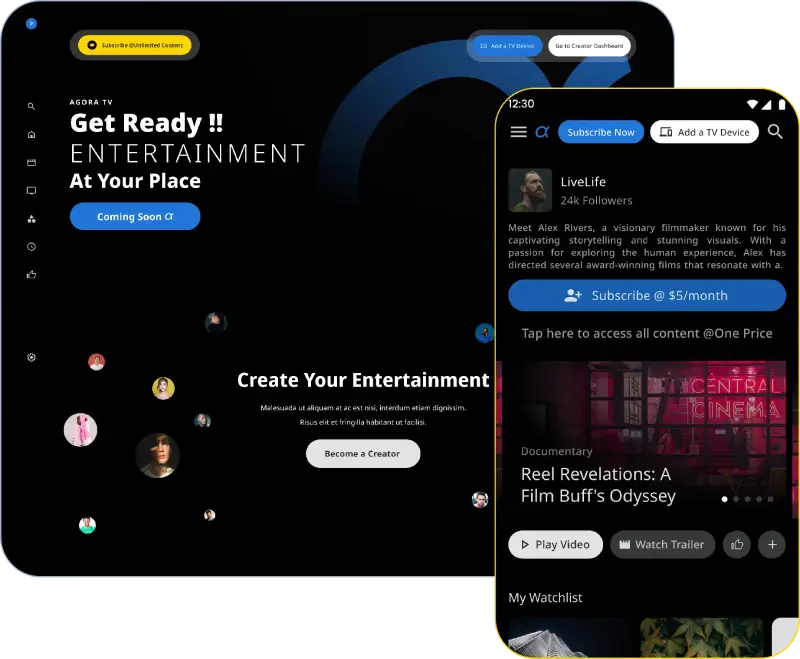 OTT • Smart TV • Cloud
A connected entertainment platform delivering seamless streaming experiences across smart TVs and mobile devices.
134% subscription conversion growth• 96% retention rate Multi-device experience
Read Case Study




















INDUSTRY-SPECIFIC AGENTOPS
From healthcare and financial services to physical AI and aerospace, our AgentOps approach brings the governance, observability, security, and reliability needed to run AI agents in complex enterprise environments.
Operate patient-facing, clinical, care coordination, and wellness agents with strong governance, controlled data access, human oversight, and continuous performance monitoring.
Govern agents interacting with connected devices, sensors, robotics, and physical environments while monitoring actions, permissions, reliability, and system-level risk.
Control agents across banking, payments, lending, risk, and compliance workflows with auditability, scoped access, policy enforcement, and measurable operational performance.
Operate customer service, merchandising, commerce, and personalization agents with visibility into decisions, cost, response quality, and business outcomes.
Manage agents supporting leasing, property operations, tenant services, analytics, and workflows with controlled access, traceability, and reliable automation.
Govern agents across connected vehicles, mobility platforms, fleet operations, diagnostics, and customer workflows with secure orchestration and production monitoring.
Operate agents across production, maintenance, field operations, procurement, and project workflows with strong reliability, human controls, and operational visibility.
Manage high-assurance agent workflows with strict access controls, traceability, reliability monitoring, human authorization, and governance across mission-critical environments.
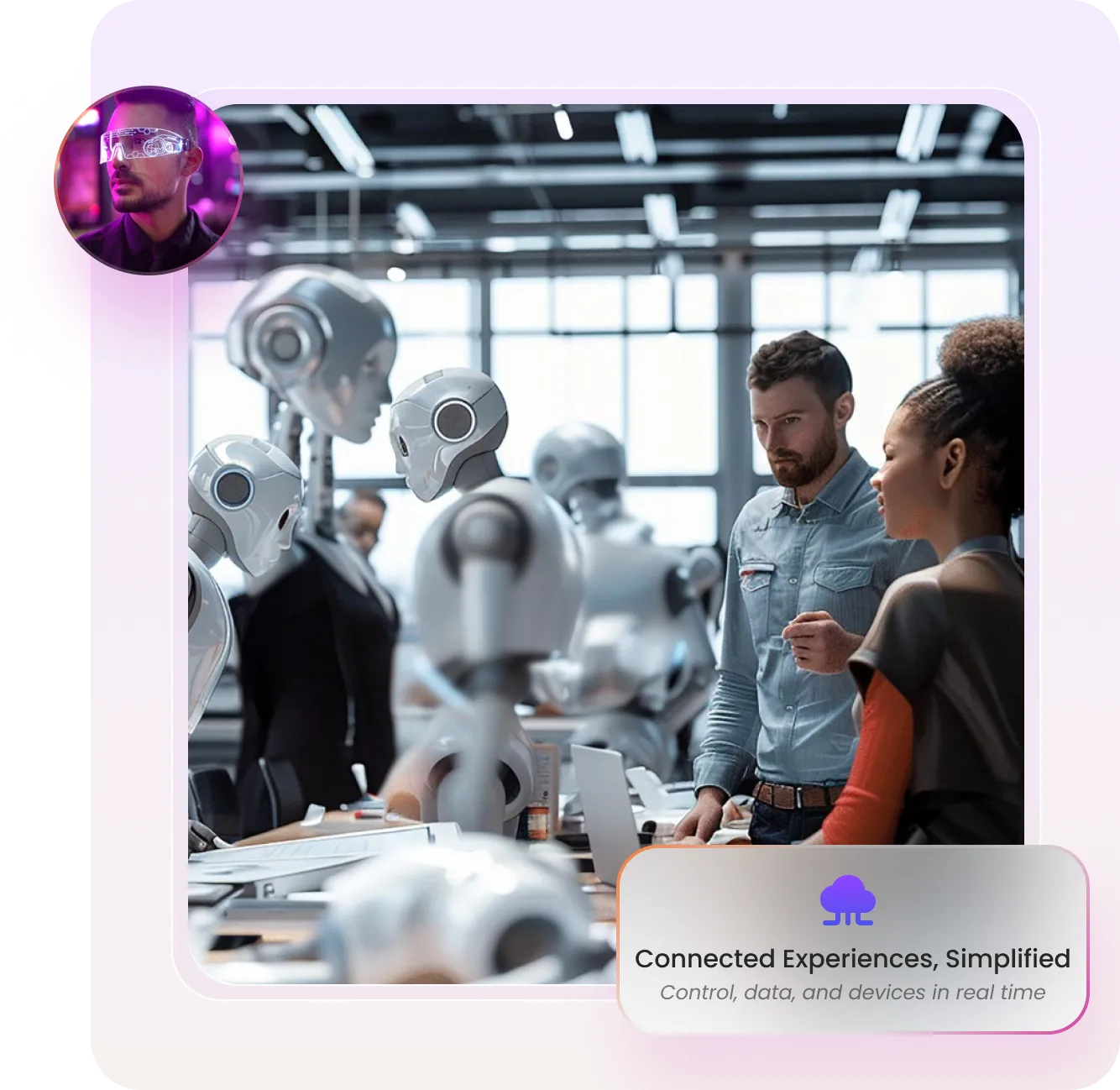
As requirements change or expand, engagement often extends into complementary technology capabilities. Our work reflects this by supporting multiple initiatives across several technology areas‑helping organizations modernize, scale, and accelerate delivery with confidence.


Recognized Across AI, Product Engineering & Digital Innovation

Award by Clutch for The
Award by Clutch for
Award by Google for The
Award by Clutch for The
Award by Clutch for The
Award by Clutch for The
Award by Clutch for The
Award by The Webby Awards for

Certified by Great Place To Work as
Award by The Manifest for The
Award by Clutch for The
Award by The Manifest for The

Award by Conejo Valley for The
August 6, 2026 | 311 Views

Chief Commercial & Customer Success Officer
March 16, 2026 | 1277 Views

Sr. VP Programme Management
AgentOps services provide the operational framework for deploying, governing, monitoring, evaluating, and continuously improving AI agents in production. They typically cover agent lifecycle management, observability, security controls, evaluations, incident management, cost optimization, and business performance measurement.
AI agents can autonomously access data, call tools, make decisions, and execute workflows, creating operational risks that traditional application monitoring does not fully address. AgentOps adds visibility into agent actions, governance controls, evaluation, traceability, and human intervention mechanisms.
DevOps focuses primarily on application delivery and infrastructure reliability, while MLOps manages machine learning models and pipelines. AgentOps extends these practices to autonomous AI systems by monitoring tool calls, agent behavior, task success, context, cost, drift, permissions, and decision boundaries.
A typical implementation includes an agent registry, ownership model, identity and access controls, evaluation frameworks, observability and tracing, guardrails, incident workflows, cost monitoring, dashboards, audit logs, and lifecycle governance.
AgentOps costs vary depending on the number of agents, workflows, integrations, model providers, security requirements, observability volume, and whether managed operations are required. A focused pilot will cost significantly less than implementing an enterprise-wide control plane across multiple business units, so pricing is usually defined after assessing the existing agent estate and production requirements.
A focused AgentOps assessment and pilot can often be completed in a few weeks, while broader enterprise implementations may take several months. Timelines depend on the number of production agents, integration complexity, governance requirements, existing infrastructure, and whether the organization already has mature DevOps, security, and observability practices.
Look for a partner with experience across AI engineering, cloud operations, security, observability, governance, and enterprise integrations—not just LLM development. They should also be able to work with your existing stack, define measurable production metrics, support human-in-the-loop controls, and avoid unnecessary vendor lock-in. Interoperability and long-term governance are important considerations when evaluating providers.
Yes. A platform-neutral AgentOps model can operate across foundation models, agent frameworks, cloud platforms, enterprise applications, data systems, and observability tools. The goal is usually to add a consistent operating and governance layer rather than replace your existing technology investments.
Production monitoring should go beyond uptime and latency. Teams should track agent traces, tool calls, task success, output quality, failures, token consumption, cost per run, latency, drift, human escalations, and business outcomes. Traces, quality scores, and run-level cost data are particularly useful for identifying issues that traditional application monitoring can miss.
AgentOps establishes clear ownership, scoped identities, least-privilege access, policies, guardrails, audit trails, approval workflows, and escalation mechanisms. These controls help enterprises understand what each agent can access, what actions it performed, and who is accountable when exceptions occur.
Yes. Human oversight can be introduced at specific risk or decision thresholds, such as financial approvals, sensitive data access, unusual agent behavior, or high-impact actions. Low-risk tasks can remain autonomous while higher-risk activities require review, approval, or escalation.
AgentOps can track token usage, model calls, retries, tool usage, infrastructure consumption, and cost per workflow or agent. This makes it easier to identify inefficient agents, expensive execution paths, unnecessary model calls, and cost regressions before they create significant budget overruns. Cost governance is becoming increasingly important as agentic systems can consume substantially more tokens than conventional chatbot workflows.
ROI should connect agent operating costs to measurable outcomes such as task completion, automation rate, cycle-time reduction, productivity improvement, incident reduction, revenue contribution, or cost savings. AgentOps helps move measurement beyond token consumption and technical uptime toward business-level performance.
Yes. AgentOps becomes especially important as organizations move from individual agents to multi-agent environments. It provides shared visibility into ownership, dependencies, orchestration, permissions, communication paths, evaluations, and performance across the wider agent estate.
AgentOps becomes valuable when agents move beyond prototypes and begin accessing enterprise data, calling production systems, making decisions, serving customers, or operating across multiple teams. If you already have several agents in production—or plan to scale quickly—establishing AgentOps early can prevent fragmented governance, uncontrolled access, unpredictable costs, and limited auditability.
Let’s map your agent estate, identify production gaps, and design the controls needed to scale safely and reliably.
We use cookies to ensure our website functions properly, improve performance, and provide a personalized experience. You can choose which types of cookies to allow below.
Required for core functionality such as security, network management, and accessibility. These cannot be disabled.
Help us understand site traffic and user interactions so we can improve performance and usability.
Enable enhanced functionality and personalization such as language or region preferences.
Used to deliver relevant ads, track campaign performance, and measure advertising effectiveness.