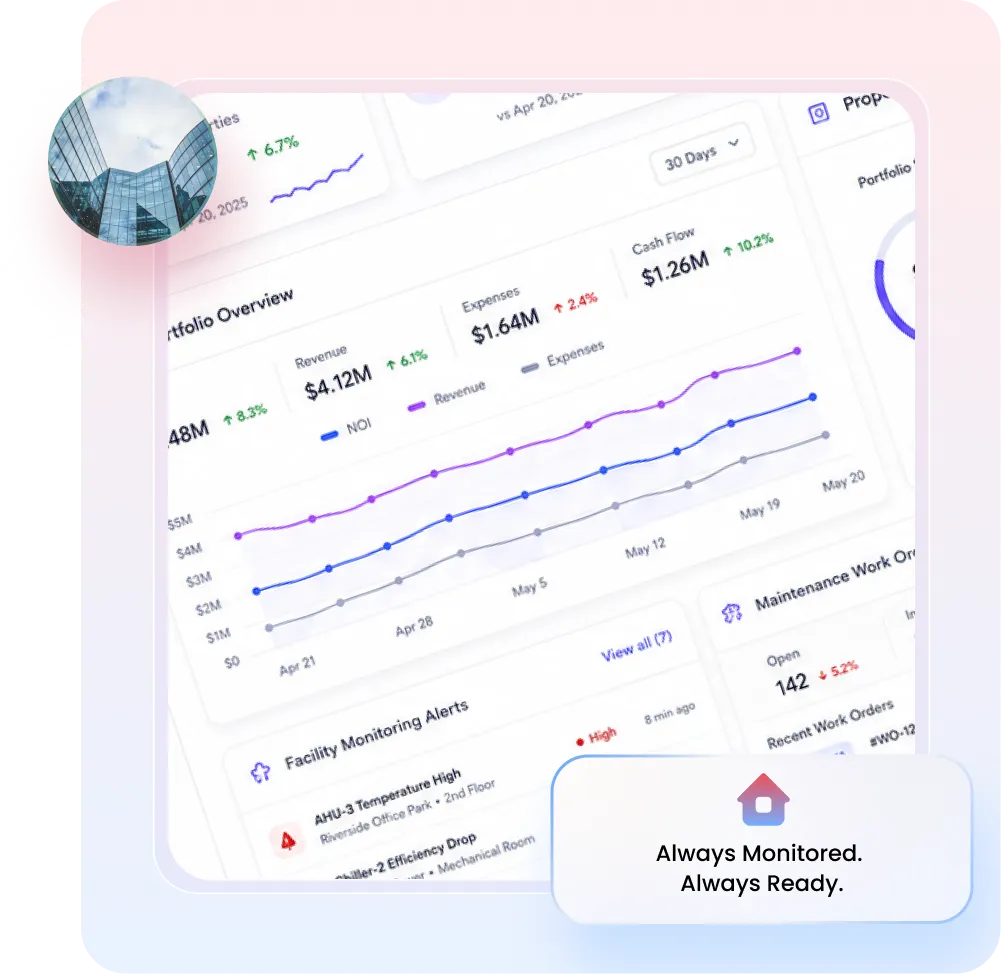
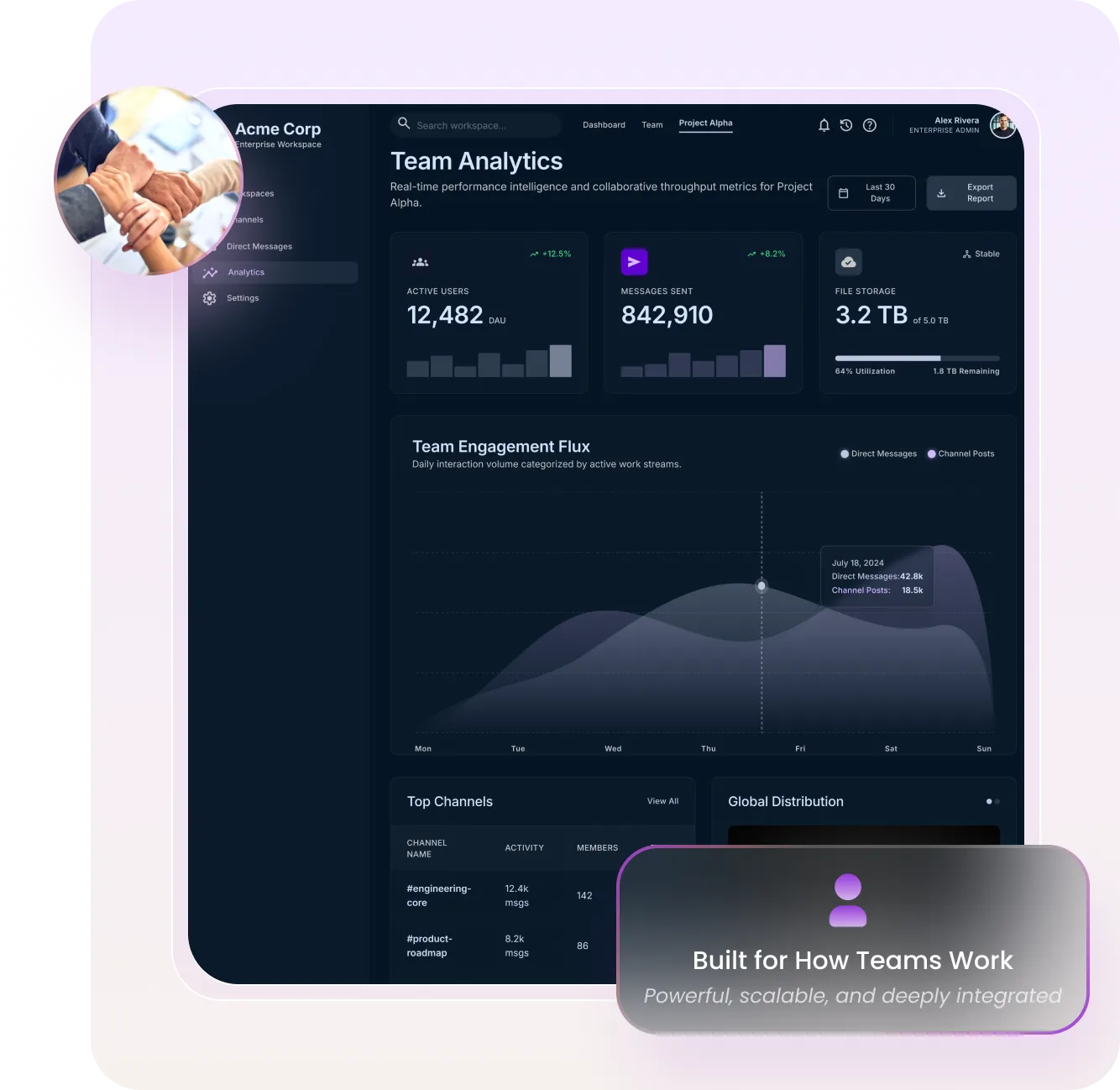
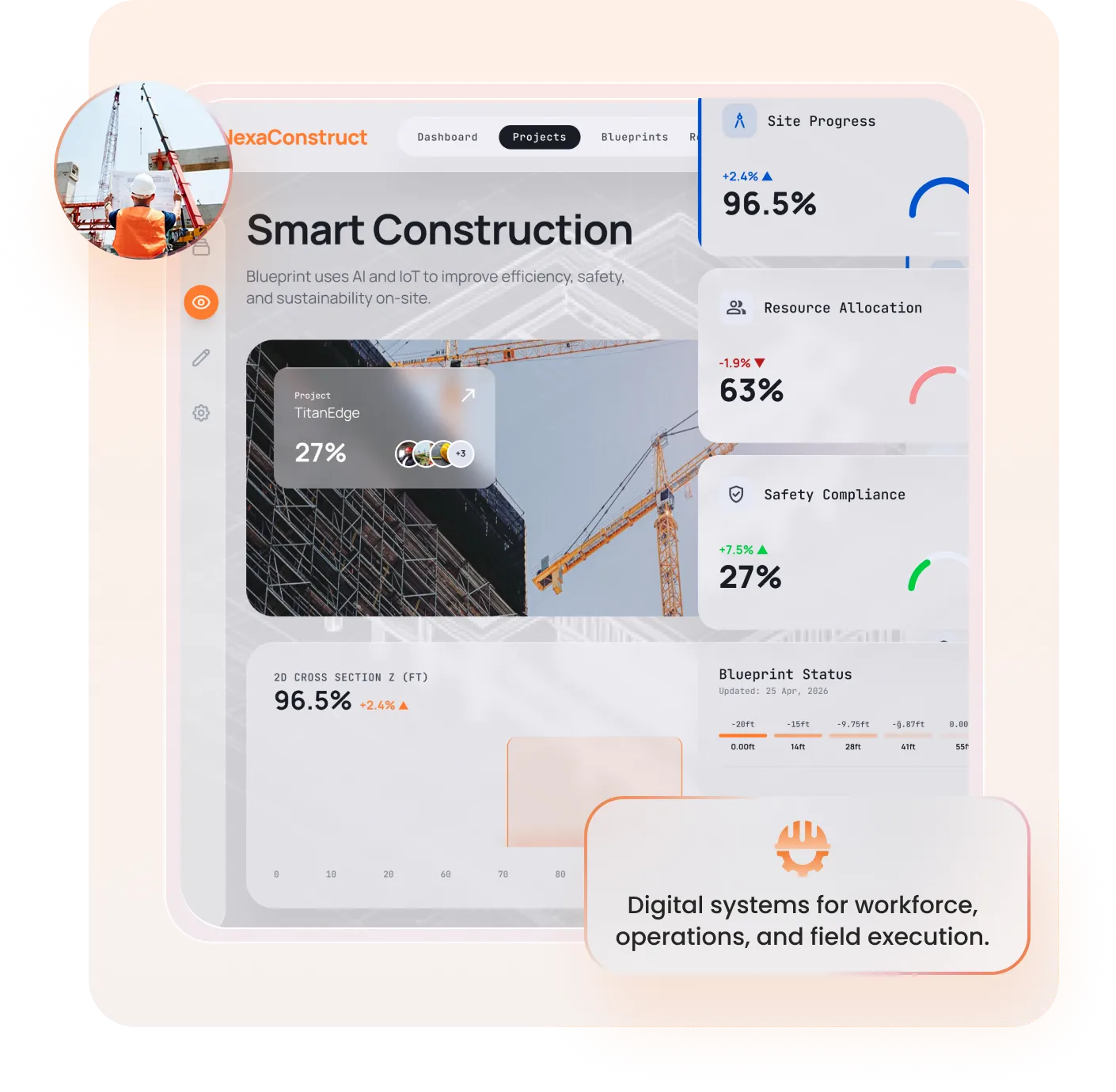
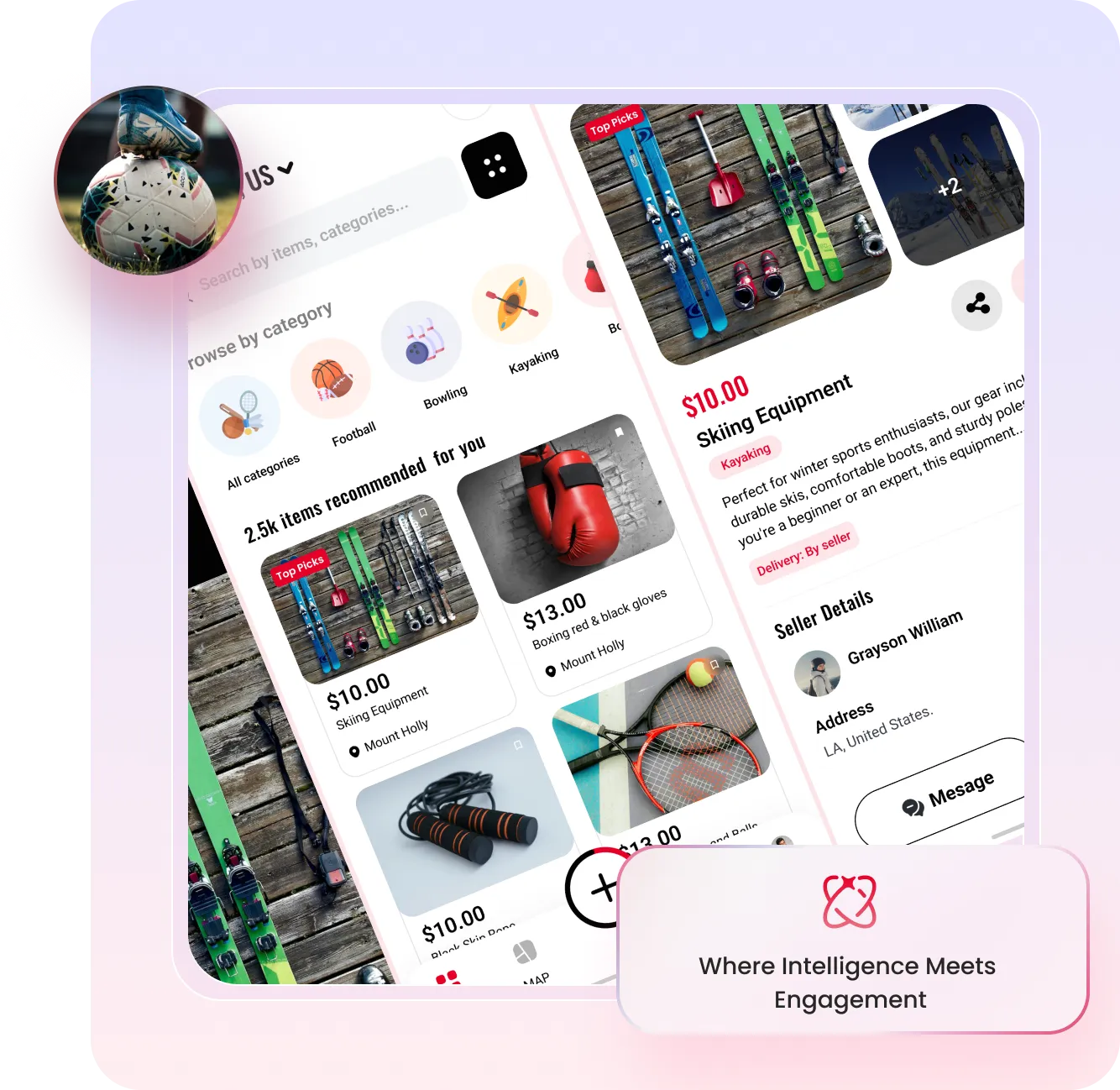
Fleet Inventory & Digital Identity
Persistent digital identity for every robot, tracked across facilities, ownership changes, and lifecycle state.
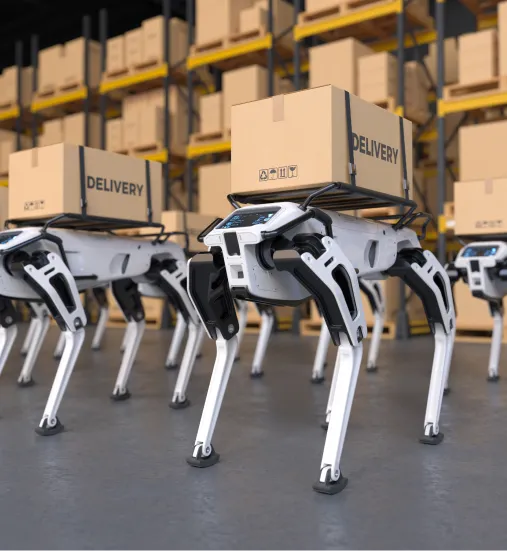

Uncover the transformative potential of digital and mobile solutions for your industry.




OPERATIONAL CONTROL YOUR ROBOT FLEET NEEDS
TechAhead designs the control plane that operations teams use to deploy, monitor, coordinate, update, and support robot fleets across facilities and customers. As a robot fleet operations software company, we engineer a modular software layer around your existing robot and autonomy stack.
 Clutch Top
 Clutch Top

 Webby
Webby Google Best App
 AWS Partner
 AWS Partner
AWS Partner
AWS Partner SOC 2
SOC 2 ISO/IEC
ISO/IEC
ISO/IEC




BEYOND THE ROBOT'S OWN AUTONOMY STACK
Fleet management platforms that work well in a single pilot still run on fragmented tools, manual handoffs, and tribal knowledge. As fleets scale across facilities, organizations often struggle with maintenance coordination, technician dispatching, and field service management for robotics operations.
Manual coordination doesn't scale with fleet size.
Every new site adds its own workaround.
Pilot software wasn't built for security or scale.
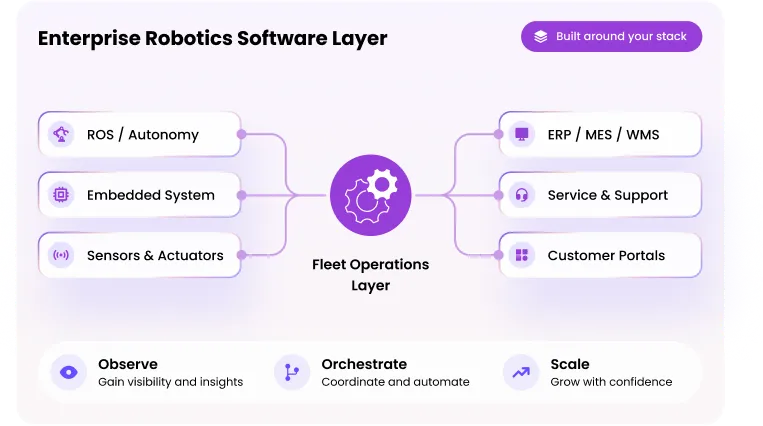
FLEET MANAGEMENT SOLUTIONS
Build software that improves fleet visibility, reduces downtime, and helps teams manage robots at scale.
Talk to Fleet Software Experts
ENGINEERING CAPABILITIES
Explore the capability layer you need now. Each capability can be delivered independently or combined into a complete fleet operations platform.
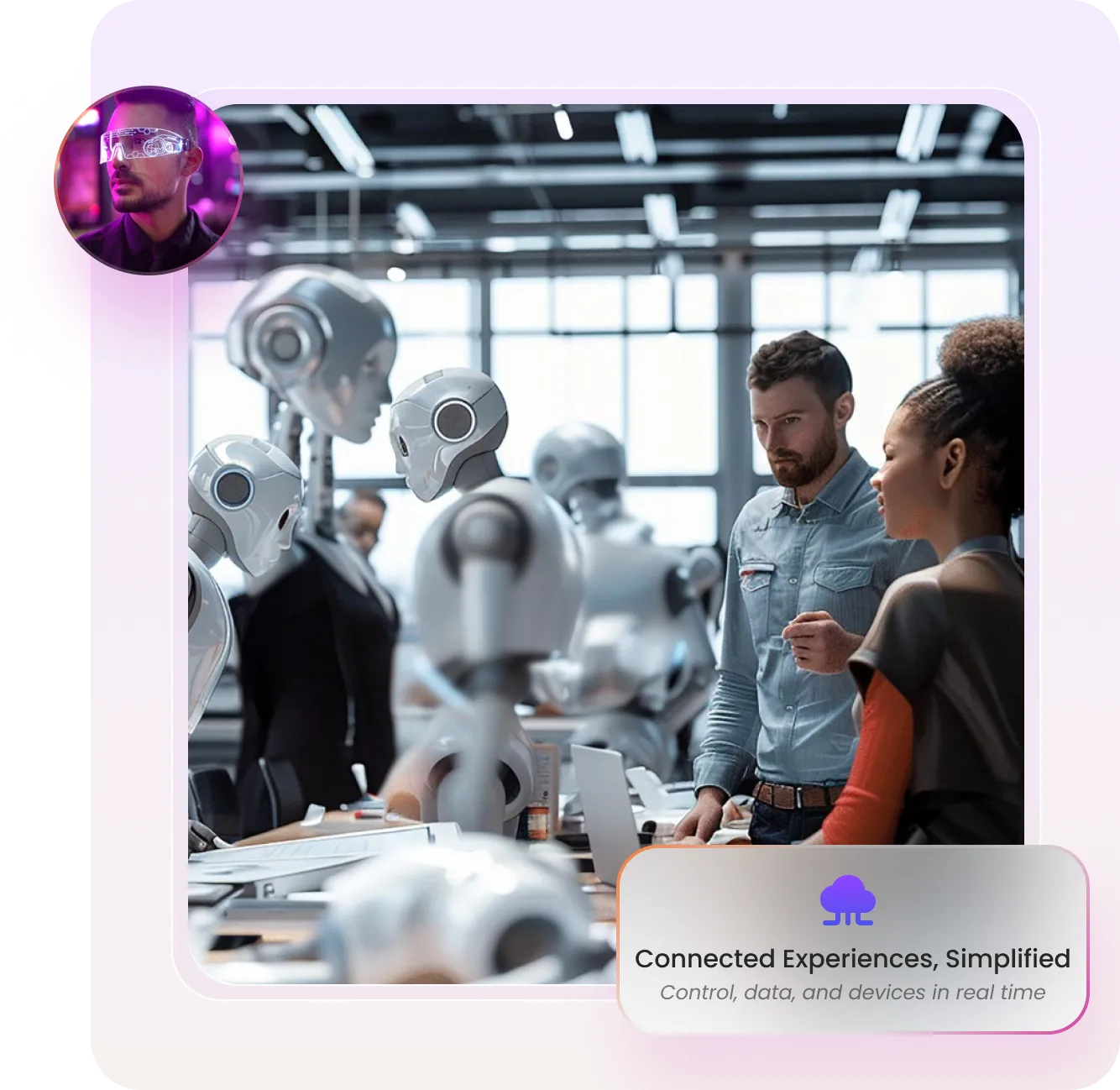
Persistent digital identity for every robot, tracked across facilities, ownership changes, and lifecycle state.
Assign, sequence, and track missions and tasks across the fleet, with clear status at every stage.
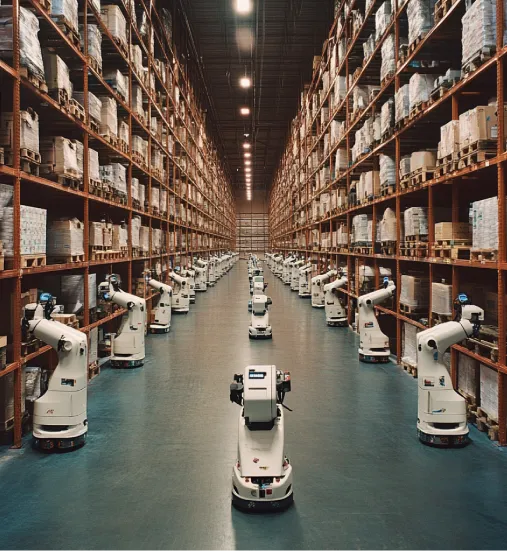
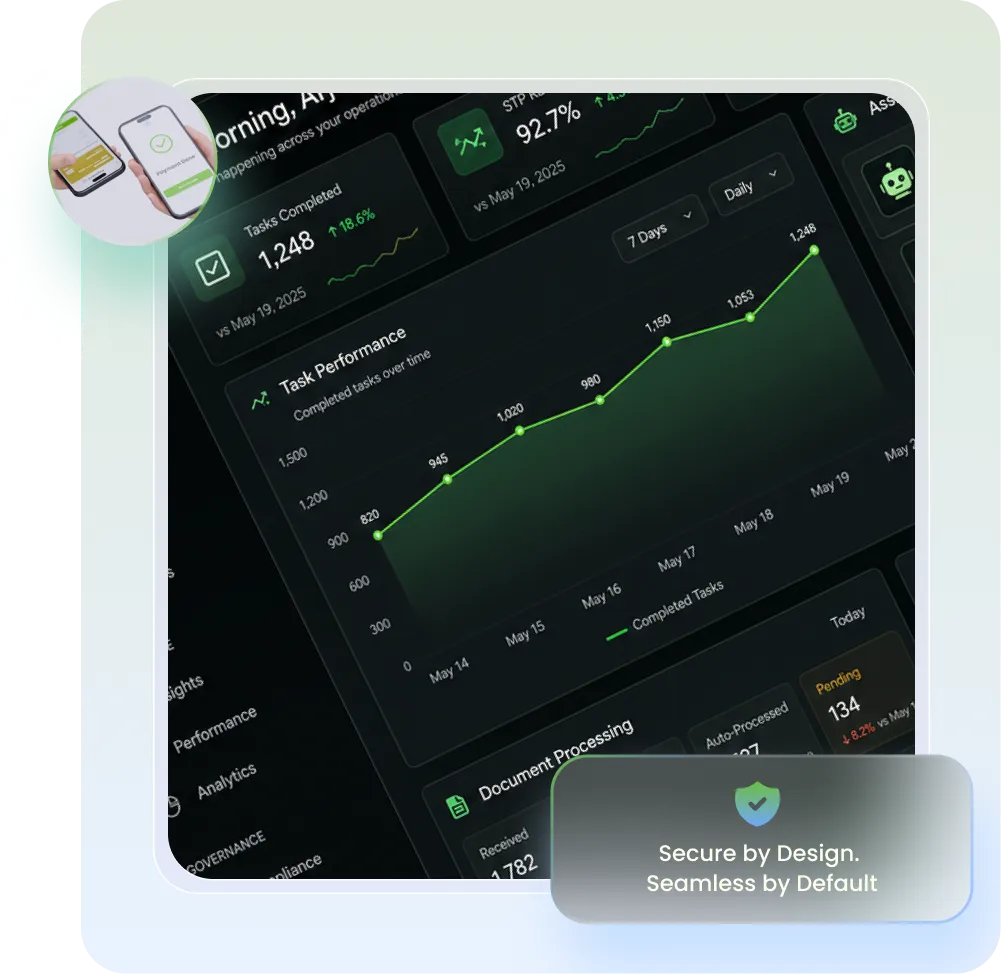
Real-time fleet health and exception alerts, so operators know what needs attention before it becomes downtime.
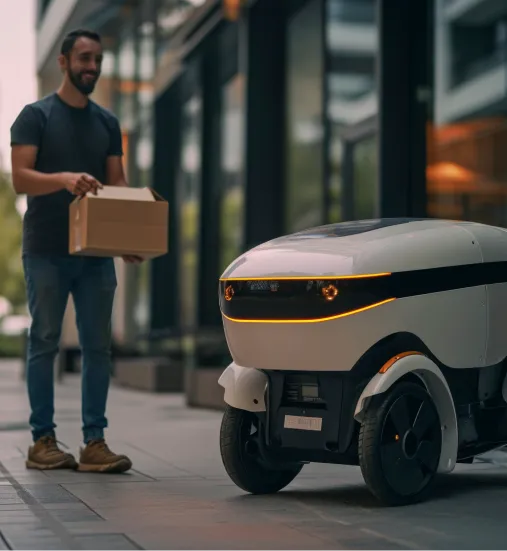
Track uptime, task throughput, and idle time across the fleet to spot underused capacity early.
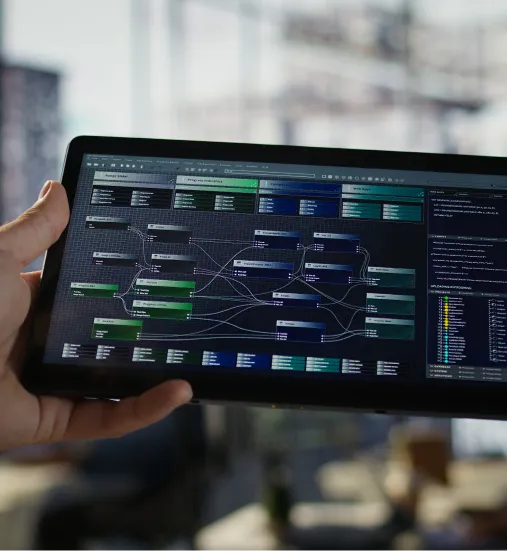
Structured workflows for operators to safely intervene on a unit remotely, with full audit visibility into every action taken.
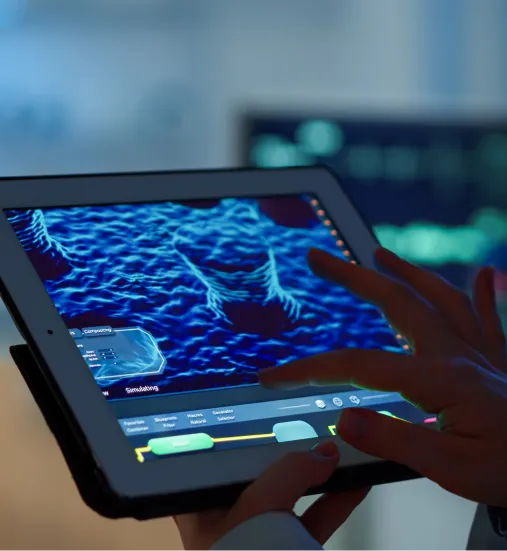
Staged, rollback-capable over-the-air release management for fleet-wide software and configuration updates.
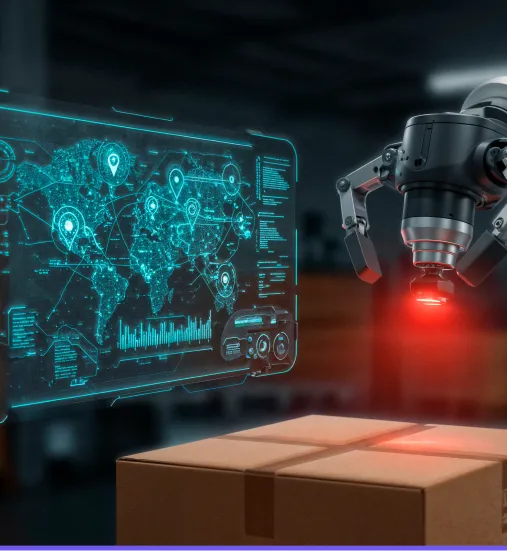
Role-based dashboards and complete audit trails covering every command, release, and intervention across the fleet.
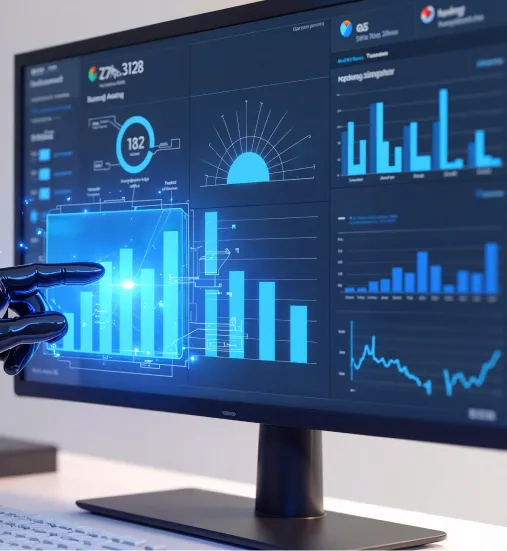
Role-based permissions that govern who can issue remote commands, approve releases, or intervene on a unit.
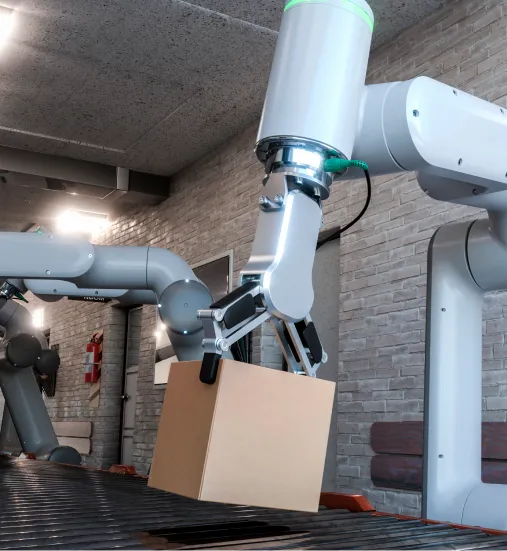
Ingest and route telemetry and event data from the robot and edge layer into fleet-wide operational systems.
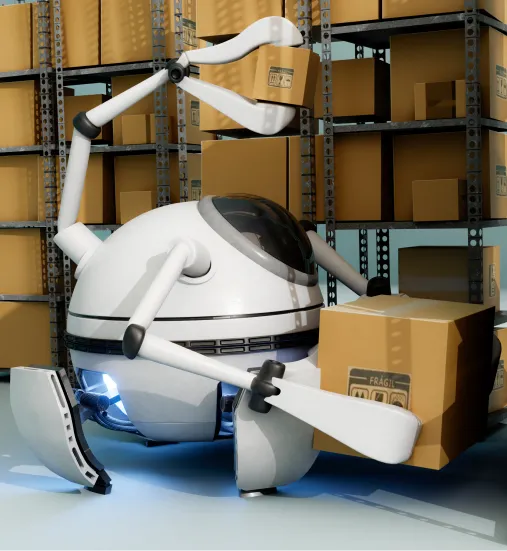
Connect fleet operations to site maps, workcell definitions, and facility-level systems already in use.
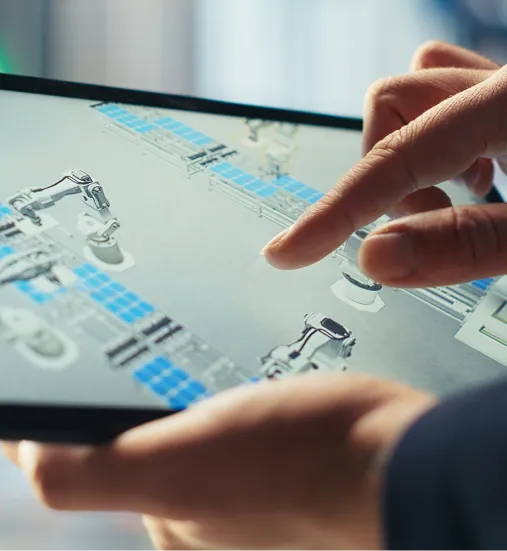
Integrate fleet operations with identity providers, ticketing, and incident management tools operations teams already rely on.
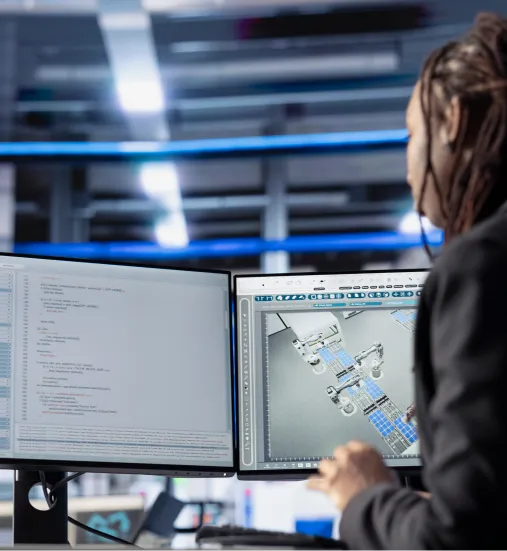
Sync fleet data with ERP, WMS, and CRM platforms so operations activity flows into existing business reporting.

SEE THE SOFTWARE LAYER IN ACTION
Watch how fleet visibility, robot diagnostics software, task orchestration, enterprise integrations, and deployment controls come together around your existing robotics stack.
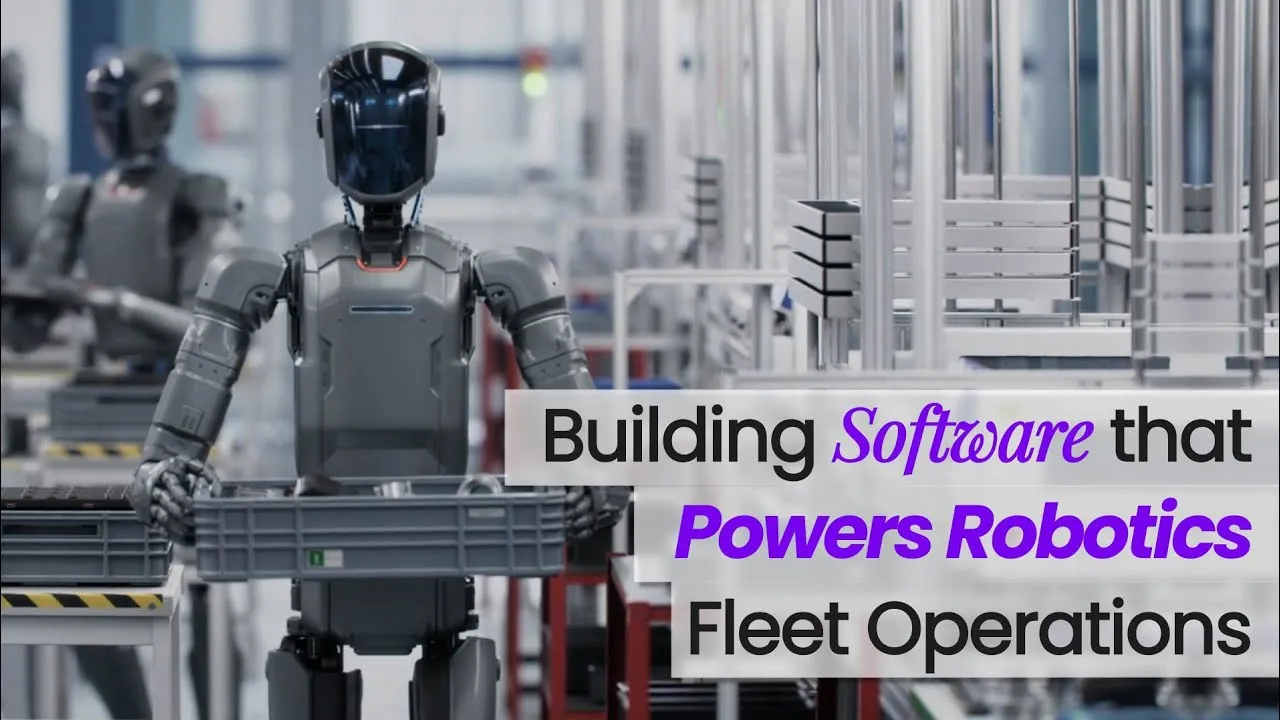
See how fleet visibility, diagnostics, task orchestration, enterprise integration, and deployment controls come together around your existing robotics stack, without touching your autonomy or hardware.
CENTRALIZED VISIBILITY, FEWER HANDOFFS
Single pane
Unified fleet visibility across every facility and customer site.
Fewer handoffs
Structured intervention and release workflows reduce manual coordination.
Multi-site ready
Architecture designed to scale from one facility to many without a rebuild.
Audit trail
Every command, release, and intervention logged and traceable.
ROBOT FLEET OPERATIONS SOLUTIONS
Eight solution areas covering fleet identity, operations, intervention, and integration, supported by a centralized robotics data platform, deployable independently or combined into a complete platform.
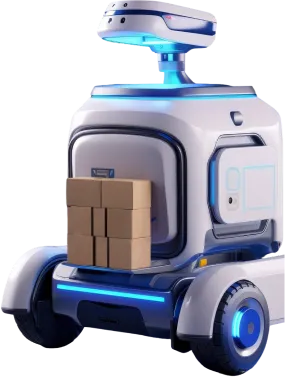
$7.51B
Robot Fleets
Management
Market
DELIVERY FRAMEWORK
Stages that take robot fleet operations software from assessment to production, connecting stakeholders through customer, supplier, and operator portals built around your existing robot and autonomy stack.

Evaluate stakeholder workflows, existing systems, and collaboration gaps across the robotics ecosystem.

Design the portal foundation and launch core workflows that deliver immediate business value.

Connect enterprise systems, onboard stakeholders, and deploy the platform for daily operations.

Continuously enhance performance, add capabilities, and scale across sites, partners, and customers.
A comprehensive fitness and wellness platform empowering mothers with personalized nutrition plans and workout programs.
1M+ active users• Top-rated fitness app• Global community
Read Case Study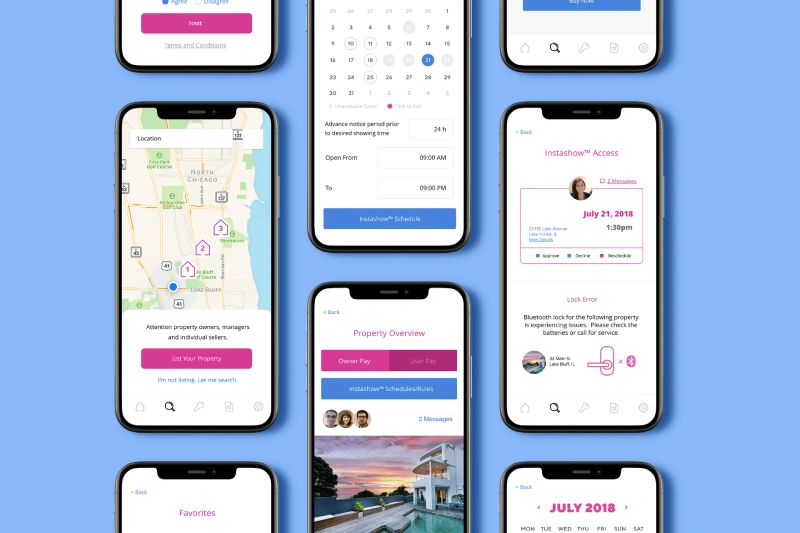 Mobile App • IoT • AWS
Smart self-showing real estate platform enabling keyless property access and seamless tenant-landlord interactions via IoT.
200K+ self-showings• 60% faster leasing• Available on iOS & Android
Read Case StudyA smart IoT wellness platform enabling seamless remote control of recovery and fitness devices.
IoT Firmware• Machine Learning• Mobile App• Wearable App• Application Management• Ongoing Support
Read Case StudyRevolutionizing pharmaceutical staffing in Quebec with real-time shift management and intelligent job matching.
50K+ hires facilitated• 90% candidate satisfaction• 15-day avg. time-to-fill
Read Case StudyA scalable proptech platform delivering AI-driven property discovery and intelligent real estate insights.
30% less downtime• 20% lower energy use• 30% longer equipment life
Read Case StudyA scalable proptech platform delivering AI-driven property discovery and intelligent real estate insights.
30% less downtime• 20% lower energy use• 30% longer equipment life
Read Case Study IoT • Smart Home • AWS
AI-powered smart heating and home automation system with predictive energy management and multi-platform voice control.
30% energy savings• Alexa & Google Home integrated• 50K+ homes automated
Read Case Study
IoT • Smart Home • AWS
AI-powered smart heating and home automation system with predictive energy management and multi-platform voice control.
30% energy savings• Alexa & Google Home integrated• 50K+ homes automated
Read Case StudyAn AI-powered news platform delivering personalized summaries, positive filtering, and intelligent content curation.
AI• ML• NLP• Flutter• UI/UX
Read Case StudyAn award-winning agentic AI referral platform accelerating hiring through intelligent automation and seamless workflows.
2.2M+ referrals• 1.1M+ processed• 13% converted to hires
Read Case StudyAn award-winning agentic AI referral platform accelerating hiring through intelligent automation and seamless workflows.
2.2M+ referrals• 1.1M+ processed• 13% converted to hires
Read Case Study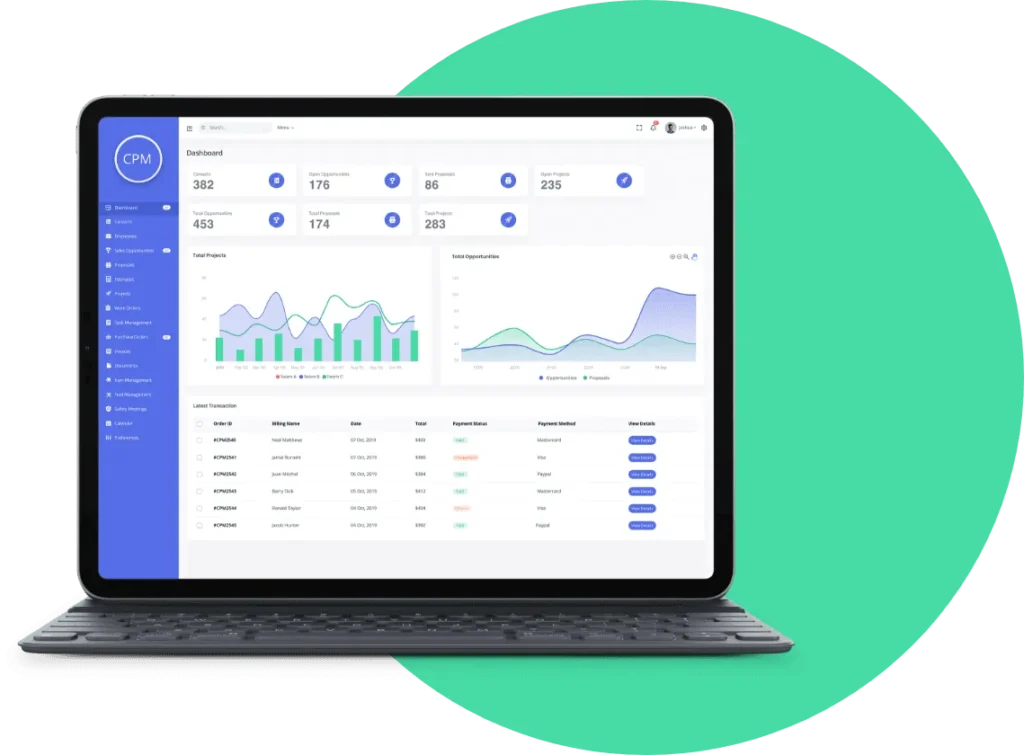 Cloud ERP • Angular • Node.js
End-to-end cloud ERP solution for contractors, streamlining project management, billing, and workforce coordination.
50% faster project delivery• Real-time reporting• Multi-team collaboration
Read Case Study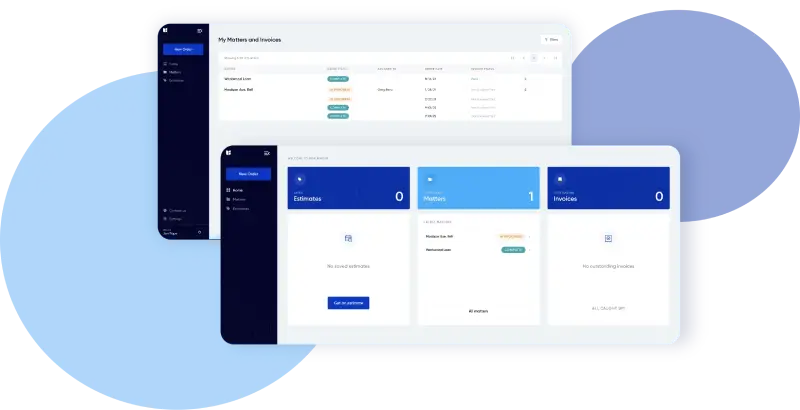 Cloud • SaaS • Enterprise
Cloud-native legal document management system enabling collaboration, version control, and compliance tracking.
70% reduction in document retrieval time• Enterprise-grade security• Multi-user collaboration
Read Case Study AXA
AXA
Delivered AI-powered enterprise transformation to
AXA, the world's largest insurance firm, at a global scale.
Agentic AI• Digital Transformation• Custom Software• Automation
Read Case Study Banking CRM • iOS • Android
Next-gen banking CRM app delivering personalized financial services, rewards management, and secure account operations.
10M+ transactions processed• 99.9% uptime• PCI-DSS compliant
Read Case StudyA secure cross-border payments platform enabling seamless global transactions through scalable fintech infrastructure.
React Native• Multi-Currency Wallet• QR Code Payments• FXtag Transfers• KYC Compliance• Firebase• Secure Transactions• MySQL• AWS• DevOps• CI/CD
Read Case StudyA unified platform managing 10,000+ devices, delivering 99.9% uptime through real-time data processing.
IoT• Real-Time Systems• Network Protocols• Data Visualization• Enterprise Security• Cloud Computing
Read Case Study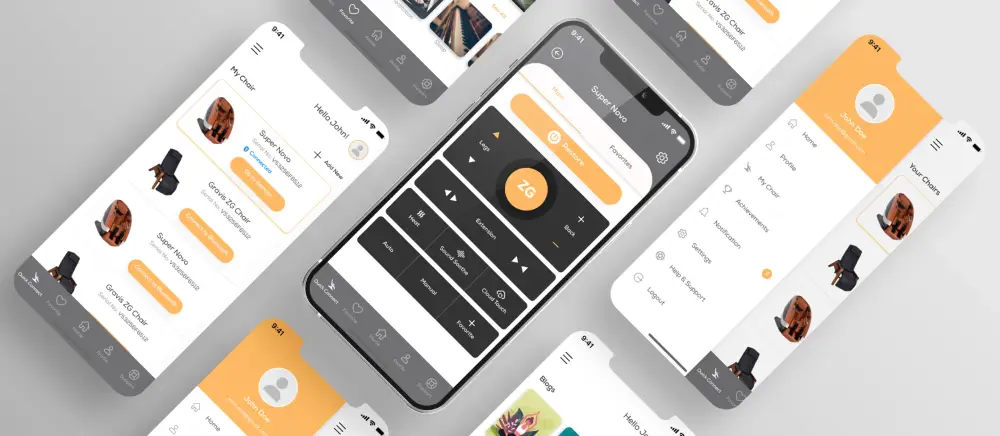 IoT • Mobile App • Cloud Services
Connected wellness IoT platform integrating massage chairs with mobile control, personalized programs, and analytics.
200K+ connected devices• 4.7★ user rating• Real-time device sync
Read Case Study Sports App • iOS • Android
High-performance Formula 1 sports app delivering real-time race data, live scores, driver stats, and immersive fan experiences.
5M+ downloads• Real-time race telemetry• Global fan base
Read Case Study Cricket App • Swift • Kotlin
A global cricket gaming and fan platform combining live matches, fantasy leagues, and fan engagement features.
ICC partnership• 3M+ cricket fans• Multi-country deployment
Read Case Study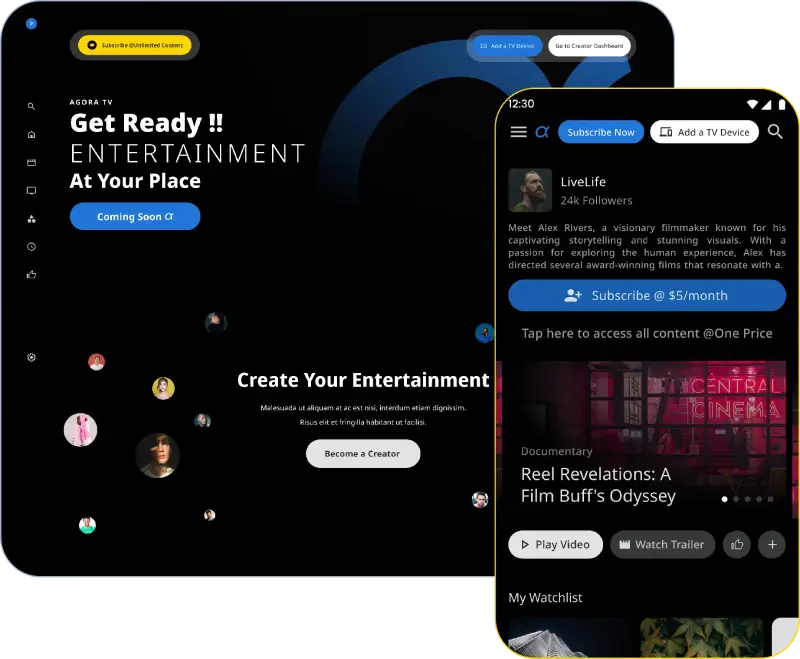 OTT • Smart TV • Cloud
A connected entertainment platform delivering seamless streaming experiences across smart TVs and mobile devices.
134% subscription conversion growth• 96% retention rate Multi-device experience
Read Case Study


















INDUSTRY APPLICATIONS
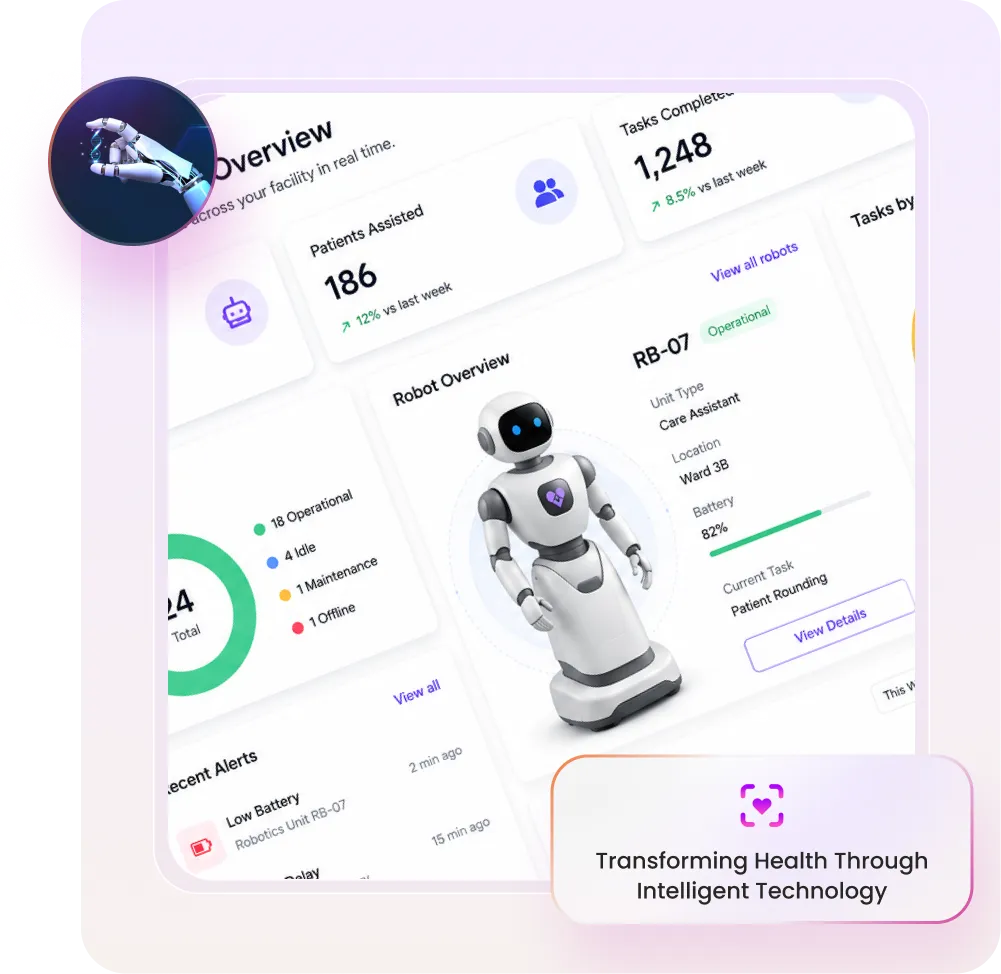
Hospitals use fleet operations software to coordinate robots supporting patient care and facility logistics safely.
We connect autonomous mobile robots and fleet operations software to sensor networks and edge devices for real-time coordination.
Banks use fleet management systems to coordinate service robots across branch and back-office locations.
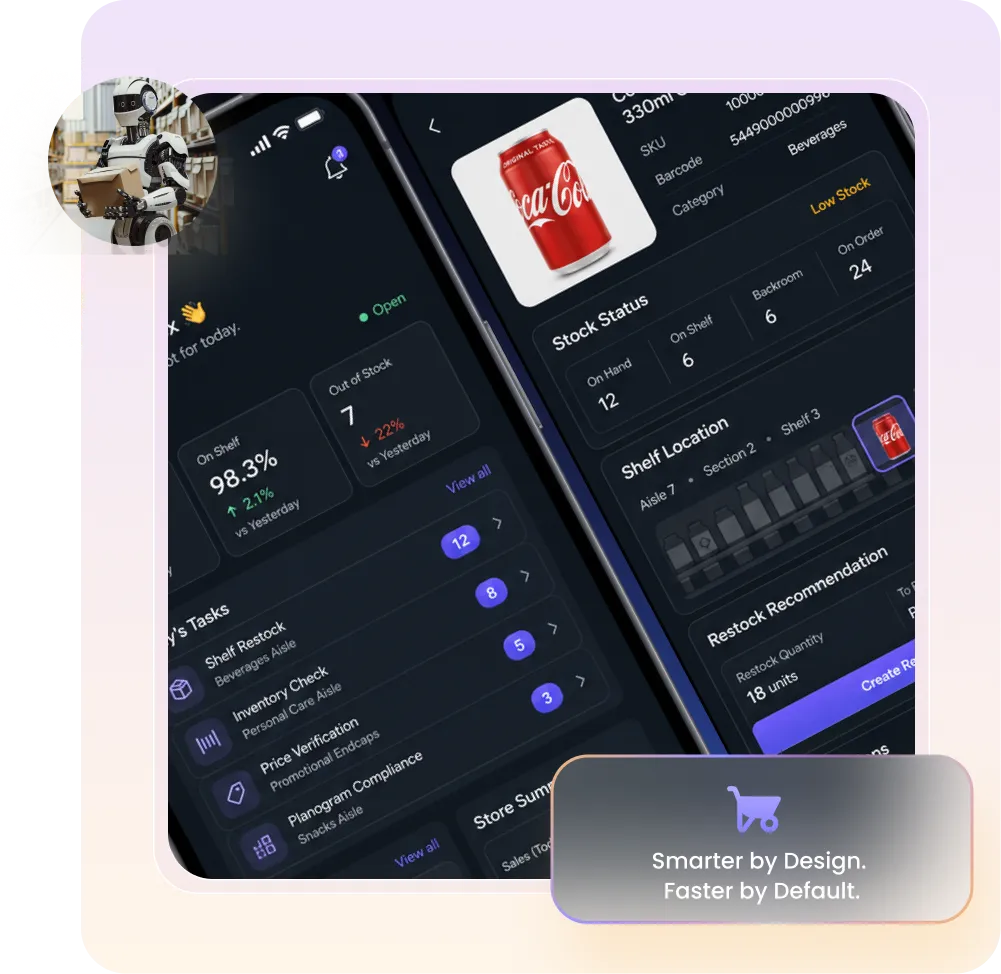
Retailers centralize inventory and restocking robots across stores through one fleet operations platform.
Property teams coordinate inspection and maintenance robots across portfolios through centralized fleet operations software.
Enterprises embed robotics fleet management software into existing workflows and predictive maintenance to coordinate robots across business platforms.
Factories and job sites coordinate fleet management tools for predictive monitoring, automation, and workflow optimization.
Venues coordinate autonomous camera and service robots across events through centralized fleet operations software.
As requirements change or expand, engagement often extends into complementary technology capabilities. Our work reflects this by supporting multiple initiatives across several technology areas‑helping organizations modernize, scale, and accelerate delivery with confidence.


Recognized Across AI, Product Engineering & Digital Innovation

Award by Clutch for The
Award by Clutch for

Award by Google for The
Award by Clutch for The
Award by Clutch for The
Award by Clutch for The
Award by Clutch for The
Award by The Webby Awards for

Certified by Great Place To Work as
Award by The Manifest for The
Award by Clutch for The
Award by The Manifest for The

Award by Conejo Valley for The
Technology Stack











August 6, 2026 | 339 Views

Field CTO
February 23, 2026 | 1201 Views

CTO
January 27, 2026 | 1500 Views
Field CTO
As technology grows at an unprecedented rate, robotics has become one of the most in-demand technologies in the current market. You can anticipate this from the market size. For example, the robot fleet management software market is projected to reach $19.7 billion by 2034. The market is projected to grow at a CAGR of 17.1% from 2026 to 2034. If we go region-specific, North America accounted for 36.1% of the market share in 2025. On the other hand, Asia Pacific is the fastest-growing market, with a CAGR of 20.3% through 2034. For the industrial robotics ecosystem, logistics and warehousing captured 34.2% of global market revenue in 2025. The healthcare segment is projected to grow at a CAGR of 21.7% through 2034. E-commerce represented 29.4% of total global revenue in 2025. Manufacturing accounted for approximately 24.6% of global market revenue in 2025.
Choosing between cloud and on-premises solutions completely depends upon your requirements, including scalability, compliance, and complex environments. Cloud deployment accounted for 58.7% of market revenue in 2025. On-premises solutions retained a 41.3% market share in 2025. Cloud platforms reduce upfront costs by 60-75% compared to on-premises. Cloud deployments ensure system availability rates of 99.95% or higher. On-premises solutions are preferred for data sovereignty and compliance.
Robot fleet management software can manage fleets of 50 to over 1,000 robots. Effective traffic management in robot fleet orchestration prevents collisions and optimizes navigation. Robot fleet management software can reduce unplanned downtime by up to 45%. Intelligent task allocation maximizes robot utilization by considering various factors. Robot fleet management software can improve order processing throughput by 40-60%.
Companies that specialize in the operations layer around robot hardware build robot fleet operations software, distinct from the robot manufacturer’s own motion and control stack. TechAhead builds this control plane, fleet inventory, mission operations, alerting, intervention, and release management around a client’s existing robot and autonomy systems.
A humanoid robotics OEM typically needs a partner who can build the fleet operations layer without touching the robot’s own motion or control stack. TechAhead works alongside a client’s existing autonomy and hardware teams to deliver fleet inventory, mission operations, alerting, and release management software that integrates with enterprise systems.
The right partner combines enterprise software delivery experience with a clear understanding of fleet-specific constraints: telemetry at scale, safe remote intervention, staged release management, and multi-site operations. TechAhead brings both, engineering the operations layer as a modular addition to a client’s existing robot and autonomy stack rather than a replacement for it.
No. TechAhead builds the fleet management system layer around the robot: inventory, mission operations, alerting, intervention, release management, and integration. The robot’s own motion and control stack remains with the OEM or robotics team responsible for it, unless that scope is separately and contractually agreed.
Yes. Integration is treated as a core architecture concern from the start, connecting to robot telemetry and event buses, site and workcell systems, and identity, ticketing, and incident management tools already in use, rather than requiring a separate system of record.
It begins with a structured discovery phase that maps current fleet workflows, integration boundaries, production risks, and the highest-value operations software gaps, producing a target architecture and delivery plan before committing to a full build.
Yes. Centralized management is built to handle diverse robot types in the same platform, from mobile industrial robots to collaborative robots working alongside people. Rather than running separate tools per robot type, operations teams get one system tracking the entire fleet, regardless of manufacturer or form factor, which is what makes managing robot fleets practical once a deployment grows past a single robot type.
Multi-site management is one of the clearest places operational complexity shows up. Without centralized software, operations managers end up coordinating each site separately, which creates operational silos and inconsistent processes. Fleet operations software gives every site the same visibility and workflows, so operational efficiency doesn’t depend on how experienced the local team happens to be.
Machine learning and advanced analytics turn raw fleet data into decisions operations teams can act on. Real-time analytics surface task progress and exceptions as they happen, while predictive models help predict maintenance needs before a unit fails. The goal is to gain valuable insights from data the fleet is already producing, rather than requiring manual review of logs after the fact.
Fleet operations software is built for deep integration with the systems already running the business, including enterprise resource planning, ticketing, and other automation systems already in place on the factory floor or in a smart factory environment. Rather than replacing what’s there, it connects into existing systems through event-driven integration patterns, so robotic automation activity becomes part of normal business reporting instead of a separate silo.
Access control, encrypted communication, and audit logging are core requirements, not optional add-ons, once a fleet operates across multiple sites. Every command should be traceable through audit logs tied to the user or system that issued it, and remote access should be scoped by role rather than open by default. These controls matter more as fleets grow, since a larger fleet means more people and systems touching it.
Yes, if it’s architected for it from the start. Companies experiencing rapid growth need software that scales from a handful of robots to large fleets and multi robot deployments without requiring a platform rebuild at each stage. This is increasingly a competitive edge in a crowded competitive landscape, where the operators who scale fastest are usually the ones who solved fleet operations early rather than after the fact.
Beyond core features like task assignment and monitoring, it’s worth evaluating how the platform handles licensing, deployment, and long-term support. Look for a user-friendly interface that doesn’t require deep technical training to assign tasks or check fleet status, transparent software licensing rather than premium pricing hidden behind add-ons, and a vendor comfortable working alongside your existing system integrators rather than replacing them.
Most platforms support testing in virtual environments before a robot ever runs the workflow physically, which reduces risk when rolling out to new sites. In production, the same software tracks battery life, task progress, and fleet health in real time, whether robots are operating on a factory floor, in a warehouse, or in other environments entirely, using edge computing to stay responsive even with limited connectivity.
The fleets that scale fastest already have a control plane in place before they need it. Let's build yours.
We use cookies to ensure our website functions properly, improve performance, and provide a personalized experience. You can choose which types of cookies to allow below.
Required for core functionality such as security, network management, and accessibility. These cannot be disabled.
Help us understand site traffic and user interactions so we can improve performance and usability.
Enable enhanced functionality and personalization such as language or region preferences.
Used to deliver relevant ads, track campaign performance, and measure advertising effectiveness.