


 Copy Link
 Share on X
 Share on Facebook
 Share on LinkedIn
Always Active
Required for core functionality such as security, network management, and accessibility. These cannot be disabled.

Uncover the transformative potential of digital and mobile solutions for your industry.





 Last Updated: Sep 22, 2026
May 21, 2026
Last Updated: Sep 22, 2026
May 21, 2026  663
663  26 min. Read


Key Takeaways
The conversation around human in the loop AI has shifted from “should we?” to “how do we do it right?” Enterprise AI adoption has accelerated dramatically, with generative AI deployments becoming standard across Fortune 500 organizations. But this rapid deployment has exposed a critical vulnerability: AI systems confidently produce outputs that can be factually wrong, ethically questionable, or legally problematic.
When your AI recommends a supplier that doesn’t exist, approves a loan based on fabricated credit history, or flags a compliant transaction as fraudulent, the consequences ripple far beyond the immediate error. The operational impact is real. The regulatory exposure is growing. The reputational risk can be devastating.
This is why Deloitte’s 2026 State of AI in the Enterprise finds that organizations must define where humans should remain in control and how automated decisions are audited, with enterprises achieving significantly greater business value when senior leadership actively shapes AI governance rather than delegating oversight solely to technical teams.
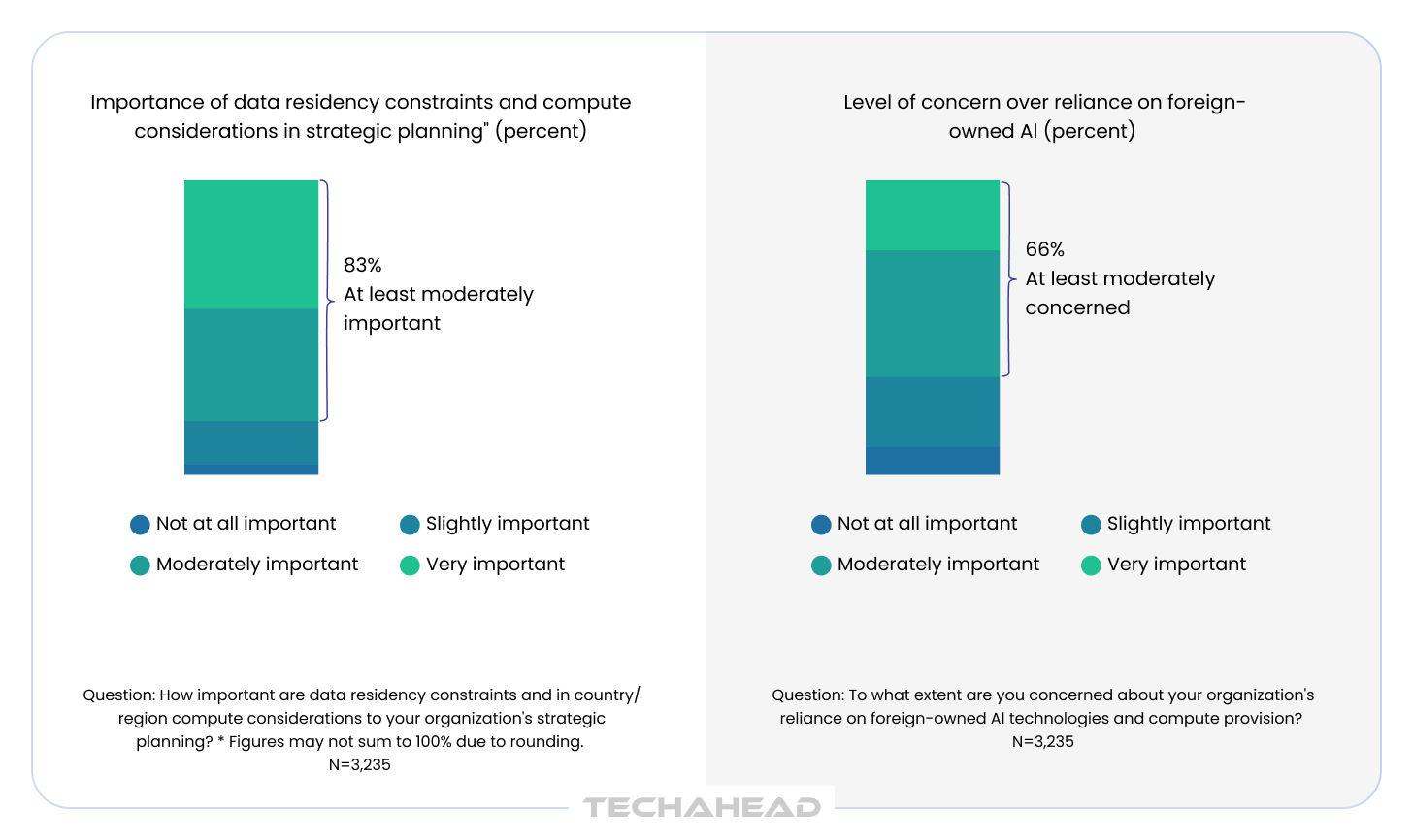
Unlike full automation, which can be rigid and lacks adaptability due to the absence of human oversight, HITL and HOTL approaches integrate human judgment and agency to address these shortcomings. The benefits of human involvement such as improved accuracy, transparency, ethical considerations, efficiency, scalability, and risk management, are clear outcomes of combining machine pattern recognition with human oversight and collaborative decision-making.
While machines excel at processing data, they often lack the nuanced understanding, contextual awareness, and deeper sense that human intelligence brings. Intelligent systems must serve human needs, ensuring that technology supports people and preserves the life, meaning, and sense inherent in human experience – qualities automation alone cannot replicate. The organizations succeeding with AI aren’t those deploying the most sophisticated models. They’re the ones designing systems where humans and AI collaborate effectively, with clear accountability and auditable AI decisions at every critical juncture.
For senior business executives evaluating AI investments, the question isn’t whether to implement human oversight, but which patterns fit your risk profile, regulatory environment, and operational constraints.
For a comprehensive and broader understanding of the Compliance and Governance Framework, do have a read of our blog titled Enterprise AI Compliance & Governance.
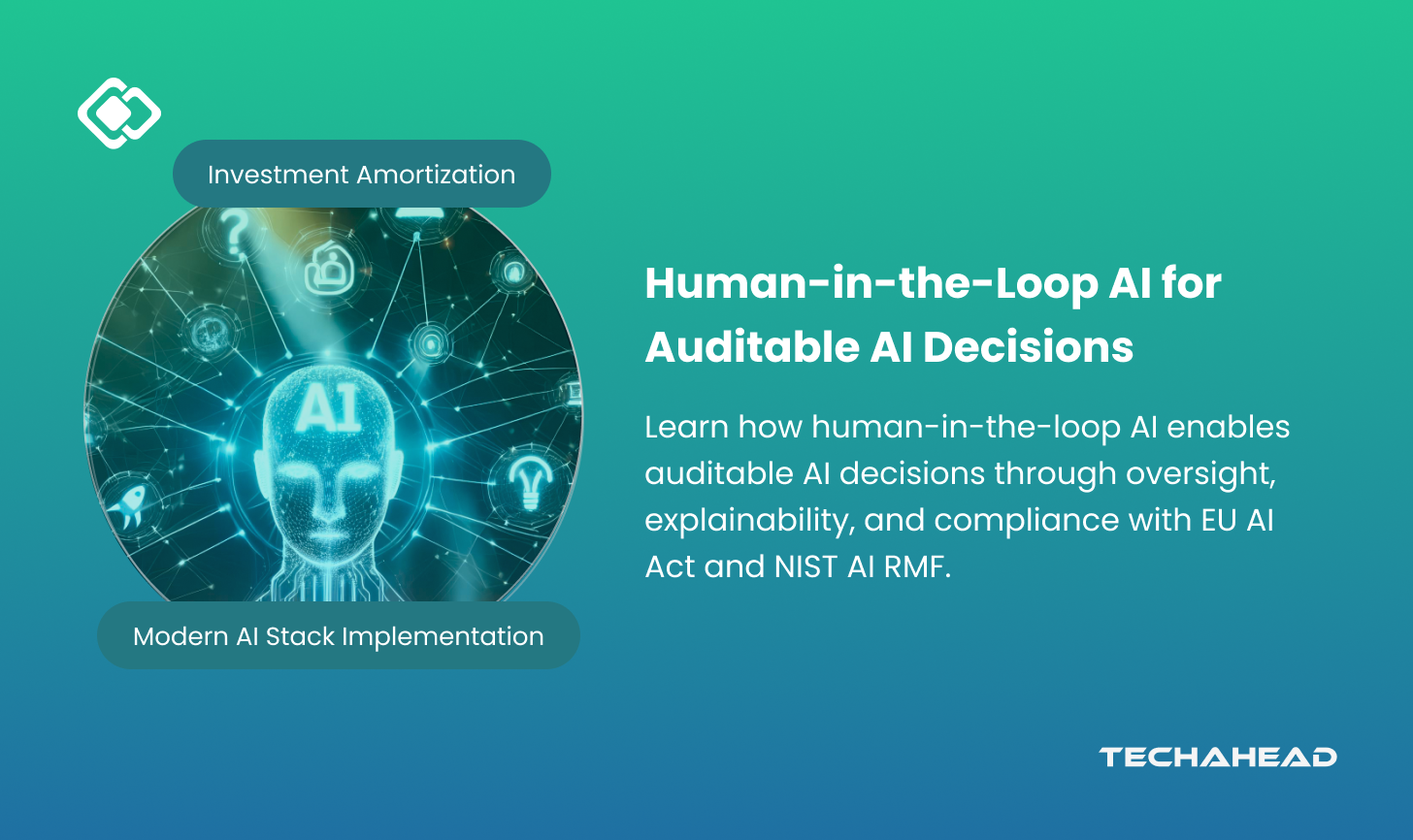
Two frameworks now define global AI accountability standards: the EU AI Act provides mandatory requirements for high-risk systems, while the NIST AI Risk Management Framework offers voluntary guidance that’s rapidly becoming the US de facto standard. As regulatory exposure is growing, compliance with law is essential for organizations deploying AI systems.
Must Read: Why Does Enterprise AI Need Audit Trails?
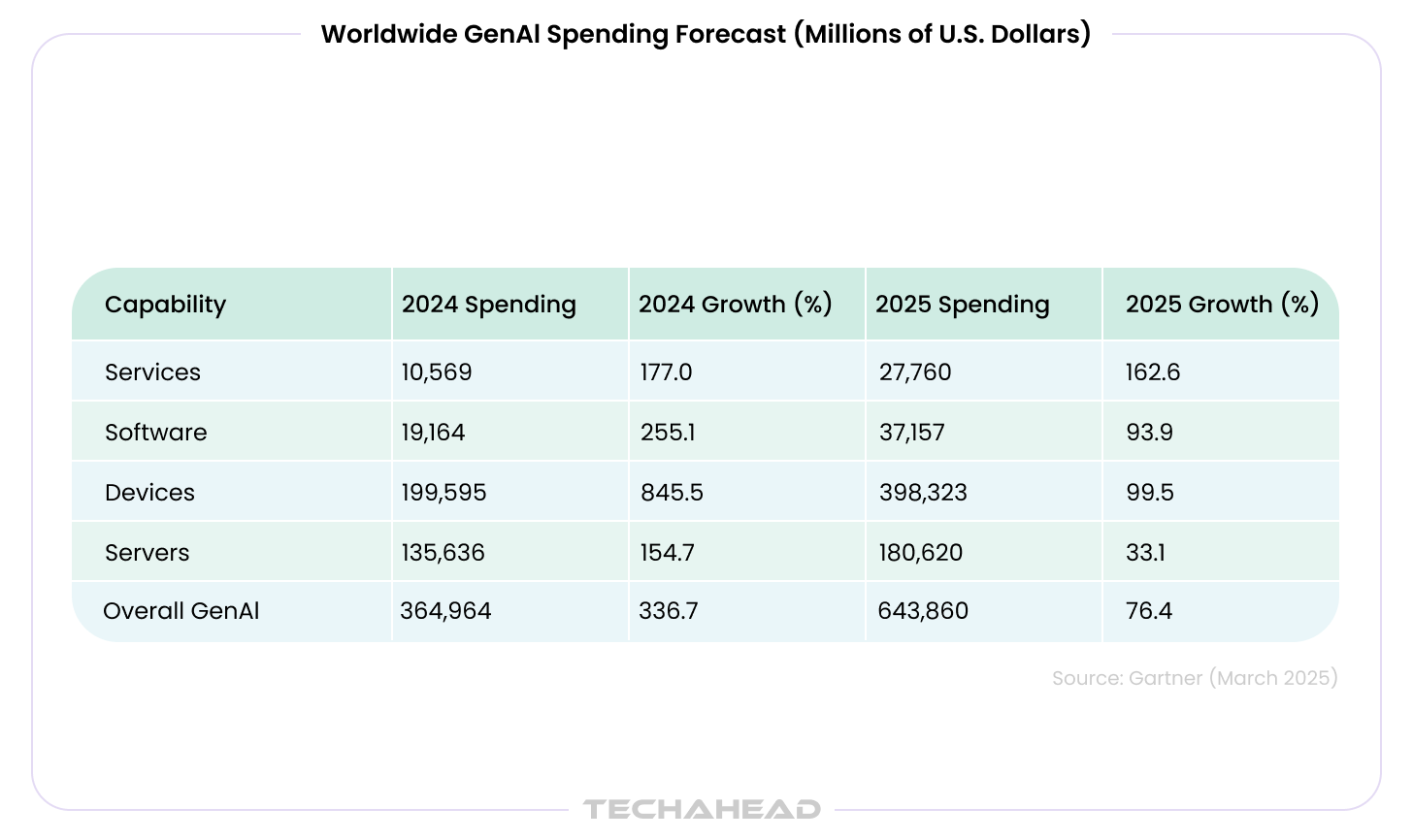
The scale of AI deployment makes governance frameworks essential. 78% of organizations now use AI in at least one business function, with 71% regularly deploying generative AI compared to just 33% in 2023. Gartner forecasts worldwide GenAI spending reaching $644 billion in 2025, a 76.4% increase from 2024, demonstrating rapid enterprise adoption that creates unprecedented risk exposure without proper human oversight frameworks.
The EU AI Act makes human oversight mandatory for high-risk AI systems by August 2, 2026. This isn’t a suggestion. It’s a legal requirement backed by penalties reaching millions of euros per violation.
Three-tier oversight framework:
Critical distinction: Article 14 does not require human review of every AI decision. It requires that systems be “designed and developed in such a way that they can be effectively overseen by natural persons during the period in which they are in use”. AI transparency must be architectural, not procedural.
Must Read: Common AI Security Pitfalls
For biometric identification systems, the Act goes further: decisions require verification by at least two natural persons with necessary competence, training, and authority.
NIST AI RMF, released January 2023 and expanded through 2024-2026, has become the trustworthy AI reference for US organizations. Private sector AI investment topped $100 billion in 2024 in the US alone, and NIST AI RMF provides the structured approach for managing this investment responsibly.
Four interconnected functions:
GOVERN – Establish risk culture, accountability structures, and diverse decision-making teams. Your governance determines who can override AI decisions, under what circumstances, and with what accountability.
MAP – Contextualize AI risk by documenting system capabilities, identifying affected stakeholders, and categorizing risk levels. This phase determines which HITL pattern fits your use case.
MEASURE – Quantify AI performance across accuracy, fairness, robustness, and trends of explainable AI metrics. Track both AI performance and human oversight effectiveness.
MANAGE – Operationalize risk responses through technical controls, monitoring systems, incident response protocols, and feedback loops where human corrections improve models over time.
Recent developments:
Must Read: Responsible and Ethical AI
For organizations operating internationally, these frameworks complement rather than conflict. NIST AI RMF provides practical implementation guidance for the principles EU AI Act mandates. Both emphasize that AI ethics and AI accountability must be designed into system architecture from day one, not retrofitted after deployment. Successful projects demonstrate the practical application of these frameworks in real-world settings, balancing automation with meaningful human involvement.
Not all human in the loop AI implementations look the same. HITL systems are hybrid AI systems that integrate human oversight and intervention into automated processes. The pattern you choose determines where human judgment intersects with automated processing, fundamentally shaping your system’s risk profile and regulatory compliance posture.
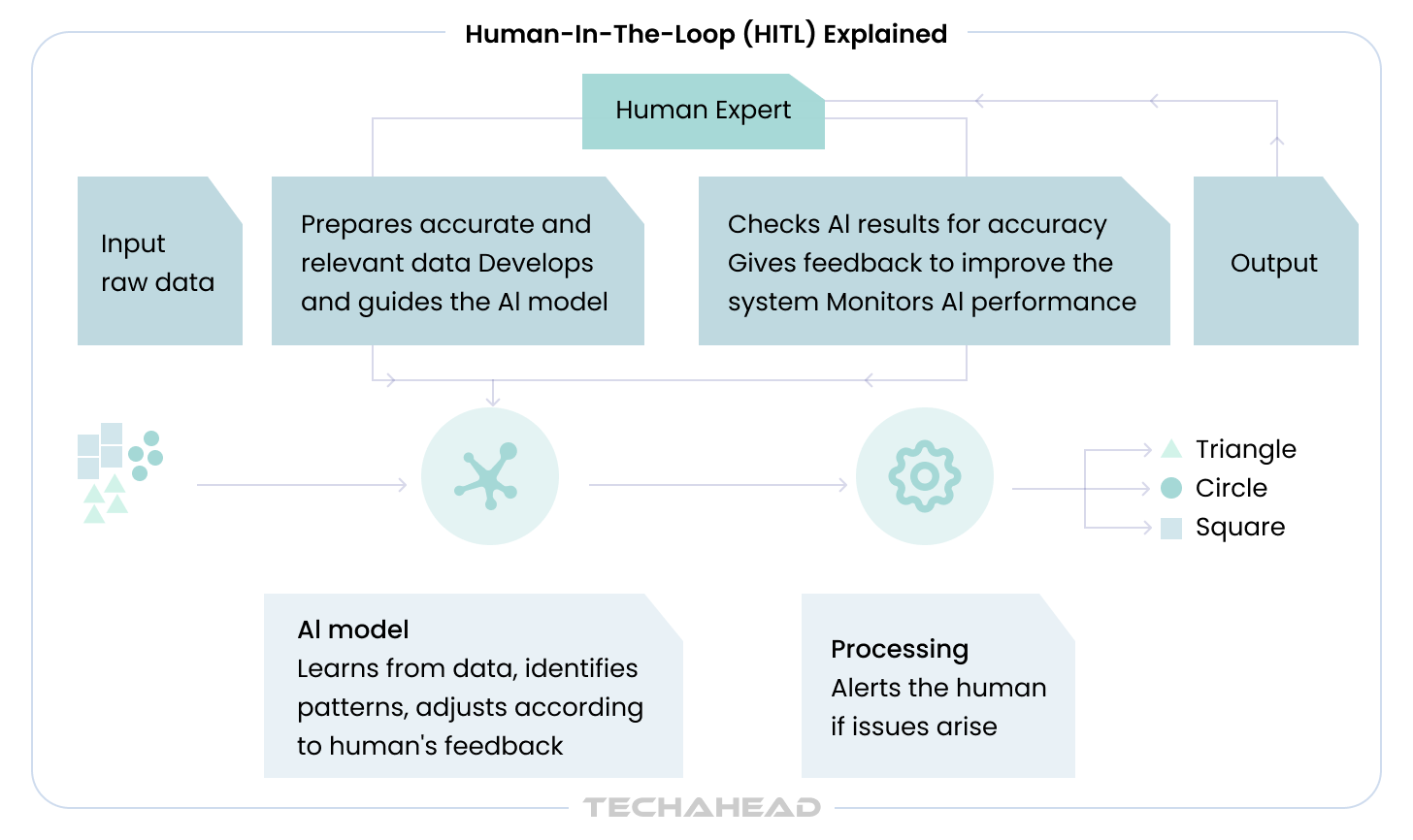
Key characteristics of HITL systems:
These systems are designed to balance automation efficiency with human judgment. Human involvement enhances system performance, preserves the human element in decision-making, and ensures adaptability and fairness across diverse operational contexts.
Recommended: How to Secure Your AI Pipeline
AI processes data and generates recommendations, but no action executes without explicit human approval. The AI acts as advisor, not executor. During pre-decision review, human reviewers provide labeled data, which is used to train and improve ML models for greater accuracy and reliability.
When to use: High-stakes financial decisions, healthcare treatment recommendations, HR hiring decisions where bias creates legal exposure, regulatory compliance reviews requiring human verification.
Real-world ROI: A multinational insurance provider TechAhead worked with implemented pre-decision HITL for claims processing above $50,000. Their AI analyzes documentation and flags anomalies, but senior adjusters verify reasoning before approval. Result: 40% faster processing while maintaining 99.1% accuracy on complex claims.
AI executes decisions autonomously while humans continuously monitor outputs, intervene when necessary, and provide human feedback that is used to iteratively improve the AI model’s accuracy and robustness.
When to use: Customer service via artificial intelligence with escalation protocols, content moderation flagging for review, inventory management with alert systems, fraud detection with edge case queues.
Business impact: Sales organizations implementing HITL workflows report improved conversion outcomes as AI handles initial qualification and data gathering, while human sales professionals focus their expertise on relationship-building, complex problem-solving, and navigating nuanced negotiations where emotional intelligence and strategic judgment create the most value.
AI operates with full autonomy for routine cases but provides humans with real-time visibility and ability to interrupt, override, or halt operations mid-process. This oversight approach is often referred to as ‘human on the loop’, where humans supervise automated systems and intervene as needed to ensure safety and compliance.
When to use: Manufacturing quality control, autonomous vehicle operations, trading systems with circuit breakers, clinical decision support where physicians override based on patient-specific context.
Both frameworks emphasize override capabilities must be architectural requirements. For organizations deploying across US and EU markets, choose patterns that satisfy the strictest applicable standard.
TechAhead Expertise: Pattern Selection & Architecture Design
As an AI-native development and consulting company, TechAhead’s architects evaluate your AI use cases against regulatory requirements, error cost profiles, and operational constraints. We design optimal HITL patterns that balance compliance obligations with business throughput needs, then build the complete technical infrastructure to support them. Our dual model provides both strategic AI governance consulting and full-stack development services, guiding Fortune 500 clients across healthcare, finance, and enterprise software to implement responsible AI systems that scale.
Also Read: How to Build Enterprise AI Roadmap in 90 Days
The difference between effective human oversight and rubber-stamping theater often comes down to interface design. When reviewers can’t understand AI reasoning or lack tools to investigate decisions, oversight becomes performative rather than protective. Purpose-built HITL interfaces must present the information humans need to make informed judgments while capturing every interaction for audit trails.
AI Reasoning Transparency and Confidence Visualization
Effective review screens display the specific factors driving each recommendation with weighted importance scores, showing which data points influenced the decision most heavily. Confidence levels must be prominent, not buried in technical logs. Research from Zhang et al. (2020) demonstrates that displaying confidence scores helps calibrate human trust in AI on a case-by-case basis, enabling reviewers to rely more heavily on high-confidence predictions while scrutinizing low-confidence cases more carefully. When confidence information is hidden, reviewers lack this critical signal for appropriate attention allocation.
Contextual Access and Override Documentation
Reviewers need immediate access to source documents, historical decisions, and relevant business rules without leaving the review screen. Switching between systems introduces friction that encourages shortcuts and undermines thorough evaluation. When humans override AI recommendations, interfaces must require structured reasoning:
Decision Queue Prioritization
Surface high-risk decisions first based on confidence scores, financial thresholds, or compliance flags. Don’t force reviewers to wade through low-risk routine approvals to find critical cases requiring deep investigation.
Effective interface design isn’t cosmetic. It determines whether your HITL architecture enables genuine oversight or creates the illusion of human control while perpetuating automation bias. The screens your reviewers see every day either support informed judgment or undermine it.
Auditable AI decisions require comprehensive documentation that survives regulatory audits, discrimination lawsuits, and algorithmic accountability investigations. Both EU AI Act and NIST AI RMF emphasize auditability must be designed into system architecture, not retrofitted. Feedback loops and model training data must be transparent and traceable. Active learning is a human-in-the-loop approach where the model identifies uncertain predictions and requests human input only for those cases, leading to more efficient and accurate learning.
Do Read: The Link Between Quality and Accountability in AI Inputs
Every AI recommendation and human decision must be logged to reconstruct decision-making processes months or years later:
Implementation example: Organizations implementing HITL in document processing workflows achieve significant accuracy improvements. The key isn’t just adding review checkpoints, but creating feedback loops where logged human corrections become model training data, enabling continuous improvement in extraction accuracy while maintaining processing speed gains. Organizations implementing comprehensive logging and feedback mechanisms achieve substantially higher accuracy in document extraction workflows compared to AI-only systems, demonstrating that auditable AI decisions with structured human oversight outperform purely automated approaches.
Related: AI Model Cards & Data Provenance
AI transparency requires technical implementation beyond black-box outputs. Your explainable AI layer should provide:
EU AI Act Article 14 requires oversight persons “properly understand the relevant capacities and limitations of the high-risk AI system”. NIST AI RMF’s Measure function demands quantifying these explainability capabilities.
Complete traceability links individual decisions back through AI processing to original data:
Sector-specific requirements: Healthcare organizations face HIPAA maximum penalties of $2,134,831 per year as of 2025. Financial institutions face similar retention under SOX, GDPR, and banking regulations.
Mukul Mayank, Co-Founder & COO at TechAhead, whose teams manage AI implementations across healthcare, finance, and manufacturing, emphasizes the hidden costs of deferred architectural decisions.
“Clients implementing comprehensive logging, explainability, and traceability from day one deploy 40% faster than those retrofitting these capabilities later. But speed isn’t the only factor – sector-specific retention requirements mean healthcare organizations face HIPAA penalties exceeding $2 million annually, while financial institutions risk SOX violations. Architecture decisions made today determine both your compliance posture and deployment velocity.”
TechAhead Expertise: Enterprise AI Development & Implementation
TechAhead provides end-to-end AI development services, from architecture consulting through production deployment. We build AI transparency into system design through custom decision logging infrastructure, explainable AI layers with feature importance and counterfactual reasoning, and intervention mechanisms enabling real-time human oversight. Our development teams implement complete solutions satisfying both EU AI Act Article 14 design requirements and NIST AI RMF Measure function for tracking AI and oversight performance across your enterprise systems.
Healthcare demonstrates rapid AI adoption, with the global AI in healthcare market projected to grow at 38.6% CAGR from 2025 to 2030, but stringent human oversight requirements stem from patient safety and regulatory mandates.
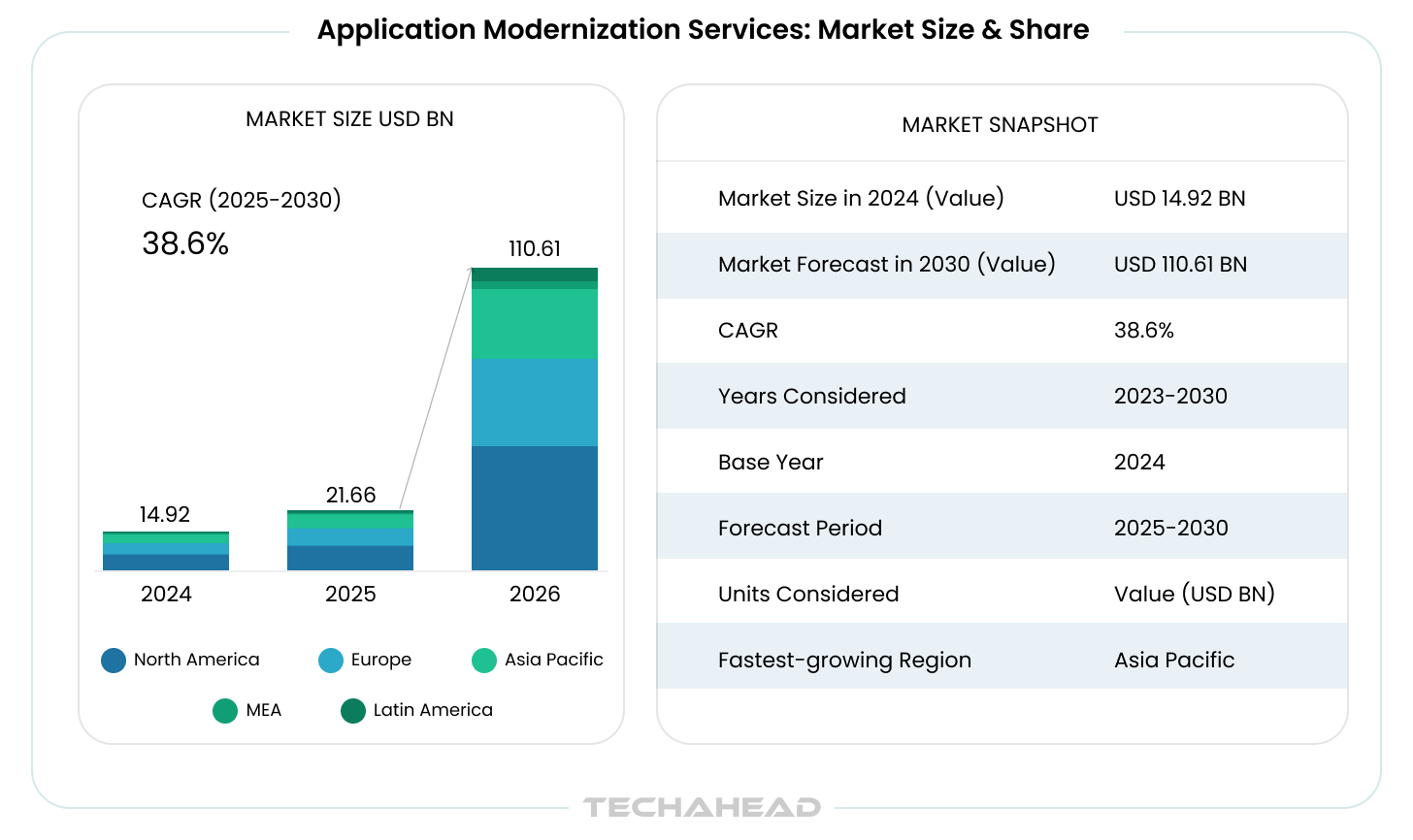
Healthcare AI systems must satisfy both technical security requirements (HIPAA Security Rule’s encryption and access controls) and decision governance requirements (human oversight for clinical recommendations). TechAhead’s healthcare AI solutions integrate both dimensions, ensuring HIPAA-compliant infrastructure supports auditable HITL workflows.
Healthcare HITL requirements:
Business case: As per Harvard Medical School, healthcare diagnostics using HITL achieve 99.5% accuracy, outperforming AI-alone (92%) and human-alone (96%).
Related: AI Security Platforms: What Enterprises Should Actually Look For
Financial services deploy AI for fraud analysis and credit underwriting but face strict fair lending requirements mandating auditable AI decisions free from discriminatory bias. Human oversight is critical for identifying and correcting errors that could lead to financial loss or regulatory penalties.
Finance HITL requirements:
Organizations implementing HITL AI in financial services see 30-75% productivity gains while maintaining regulatory compliance.
AI-powered recruiting creates legal risk if perpetuating hiring discrimination. EEOC guidelines require human oversight preventing disparate impact, with AI fairness as non-negotiable. Meaningful human interaction during the review process is essential to ensure fairness and transparency in hiring decisions.
HR/Recruiting HITL requirements:
According to Gartner, approximately 30% of legal tech automation solutions will include HITL by 2025, reflecting recognition that AI ethics and governance are essential for managing legal risk.
TechAhead Expertise: Sector-Specific AI Solutions
TechAhead’s development teams build sector-compliant AI systems from the ground up. For healthcare, we deliver HIPAA-compliant logging, clinical validation workflows, and patient data protection. For financial services, we implement AI fairness testing, adverse action documentation, and regulatory reporting. Our consulting and development approach integrates EU AI Act high-risk categorization, NIST AI RMF sector profiles, and industry-specific regulations into production-ready systems validated by legal and regulatory teams across 20+ industry verticals.
The problem: Organizations add “human review” without giving reviewers time, training, or tools for informed decisions. Humans rubber-stamp AI recommendations due to pressure or lack of context.
How to avoid: Design HITL workflows where humans access the same data AI used plus explanations of reasoning. Measure quality, not just speed. If reviewers approve 99.8% of recommendations without modification, you have human theater, not oversight. Effective HITL requires that the humans involved in oversight have real authority and responsibility, not just a token role.
Framework alignment: NIST AI RMF’s Govern function requires establishing clear accountability and providing oversight teams with appropriate resources.
The problem: Organizations deploy AI first, then try adding human oversight capabilities. This creates systems where human intervention is clunky and ineffective because architecture wasn’t designed for it.
How to avoid: Human oversight must be design requirement, not process layered on opaque systems. Build AI transparency, intervention points, and halt mechanisms into architecture from day one. Designing oversight mechanisms from the beginning helps improve performance and accountability by enabling continuous feedback and effective supervision.
Framework connection: Both NIST AI RMF and EU AI Act emphasize lifecycle integration. Govern and Map functions happen before development begins.
The problem: Humans “automatically rely or over-rely on output produced by high-risk AI systems” (automation bias). Even trained reviewers trust AI recommendations without critical evaluation. The consequences can be severe: 47% of enterprise AI users made at least one major business decision based on hallucinated content in 2024, demonstrating that automation bias isn’t a theoretical concern but a documented operational risk.
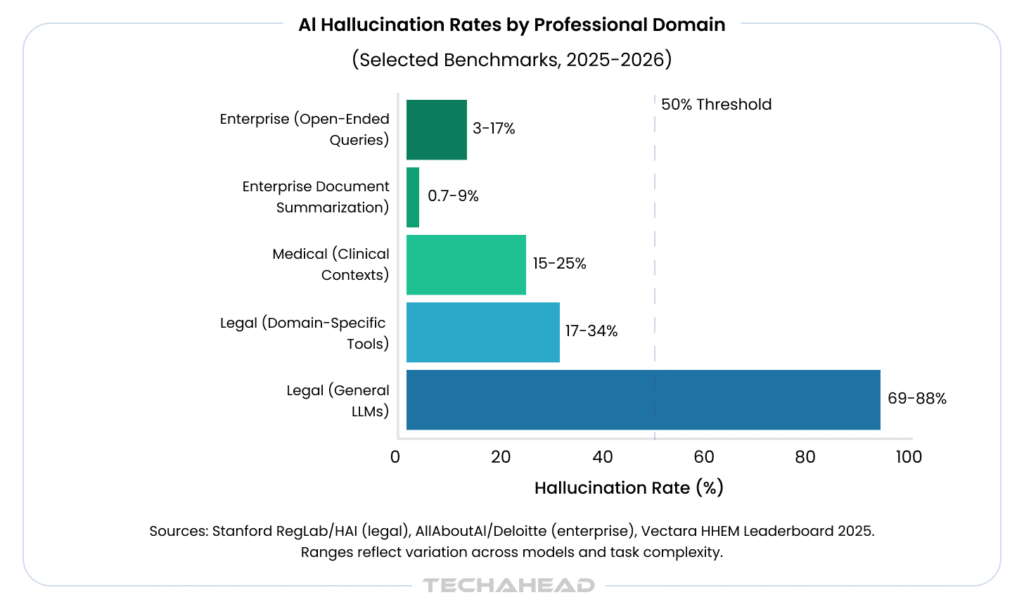
How to avoid: Build forcing functions requiring active engagement with decision reasoning. Don’t ask “Do you approve?” Ask “What factors would change your decision?” or “What additional information would you need?” Human oversight is essential for detecting and correcting bias in AI models, ensuring more reliable outcomes.
Both frameworks emphasize human oversight requires training and awareness of automation bias risks.
If you’re a CEO, CTO, or business owner evaluating human in the loop AI implementations, here’s what matters:
Regulatory compliance isn’t optional. EU AI Act Article 14 requires human oversight by August 2, 2026. NIST AI RMF has emerged as US standard, with federal agencies and major enterprises requiring framework alignment. HIPAA Security Rule changes expected May 2026 impose significant healthcare requirements.
The business case is compelling. Organizations implementing AI report an average 40% productivity boost, with controlled studies showing 25-55% improvements depending on function, while 76% of enterprises now include human-in-the-loop processes to catch AI errors before deployment in response to concerns about AI hallucinations.
A financial services leader reported a 50% reduction in false positives for fraud detection after implementing a HITL system, and high performers are more likely to say their organizations have defined processes to determine how and when model outputs need human validation to ensure accuracy. These aren’t marginal improvements. They’re transformational outcomes that justify the architectural investment in responsible AI systems.
Architecture Determines Success
AI transparency, AI accountability, and explainable AI capabilities must be designed into systems from day one. NIST AI RMF’s four functions (Govern, Map, Measure, Manage) provide the architectural roadmap.
Framework Alignment Creates Competitive Advantage
Organizations integrating NIST AI RMF into enterprise AI governance create unified compliance ecosystems rather than siloed processes. This reduces audit burden and positions you to adapt as regulations evolve.
The best human-in-the-loop systems create feedback loops where human corrections and human input directly improve AI performance over time. In machine learning, incorporating human input – such as through reinforcement learning from human feedback (RLHF) – enables human feedback to train reward models and optimize AI agent performance, especially for complex tasks that are difficult to specify. You’re not just adding oversight. You’re building trustworthy AI that gets smarter through collaboration between human judgment and machine processing power.
As an AI-native development and consulting company, TechAhead delivers end-to-end HITL implementations integrating EU AI Act requirements and NIST AI RMF best practices. Our dual model provides strategic AI governance consulting and full-stack development services for Fortune 500 clients across healthcare, finance, and enterprise software.
Phase 1: Strategic Assessment – We map AI use cases to regulatory requirements, determining optimal HITL patterns (pre-decision, post-decision, override) based on risk profiles and compliance obligations. Our architects design system blueprints integrating NIST AI RMF’s Govern and Map functions.
Phase 2: Development – Teams build production systems with decision logging infrastructure, explainable AI layers, intervention mechanisms, and feedback loops turning human corrections into training data, satisfying EU AI Act Article 14 and NIST AI RMF Measure function requirements.
Phase 3: Training & Change Management – We deliver training on AI capabilities/limitations, decision support tools, performance metrics measuring oversight quality, and escalation paths for edge cases.
Phase 4: Continuous Monitoring – Dashboards track human-AI agreement rates, error patterns, review time metrics, and feedback incorporation, operationalizing NIST AI RMF’s Manage function.
Proven Results: Our HITL architectures power critical systems at AXA (roadside assistance app delivering 80% faster response times), American Express (mobile sales CRM empowering 64,000+ employees with real-time customer data), ICC (global cricket fan engagement platform reaching 460 million users across 6 nations), Agora (multi-platform streaming ecosystem across LG, Samsung, Roku, and Android TV), Joyjam (cloud-native music streaming platform), Unchecked Fitness (AI-powered personalized workout platform), and Fitline (data-driven cross-platform wellness tracking).
As Claude & OpenAI Services Partner and AWS Advanced Tier partner, with ISO 42001:2023, SOC 2 Type II, ISO 27001:2022 certifications, and recognized as Webby Award Honoree 2024 & Top Enterprise App Developers by Clutch, we architect responsible AI systems balancing automation with human oversight at enterprise scale.
Ready to implement auditable, compliant AI systems that balance automation with human oversight? We provide both strategic AI consulting services and complete governance services, integrating EU AI Act requirements and NIST AI RMF best practices into production-ready solutions. Contact our team to discuss your AI compliance and development requirements.
Human in the loop AI requires explicit human approval before AI executes decisions – think pre-decision review for high-stakes choices. Human-on-the-loop involves supervisory monitoring where humans oversee AI operations and intervene when needed, common in post-decision workflows. The pattern you choose determines your risk profile and regulatory compliance posture.
No. The EU AI Act requires that high-risk AI systems be designed for effective human oversight,not that every decision gets manual review. You need architectural capabilities enabling humans to understand AI outputs, intervene when issues arise, and halt operations if necessary. It’s about system design, not process theater.
NIST AI RMF provides voluntary risk management guidance with four functions (Govern, Map, Measure, Manage) while ISO 42001 offers certifiable management system standards. They share roughly 40-50% overlap in risk management and human oversight requirements. Most enterprises implement both – NIST for US compliance positioning, ISO for international certification credibility.
Auditors require decision logs showing input data, AI recommendations with confidence scores, human reviewer identity and timestamp, override justifications, and model versions. Your auditable AI decisions infrastructure must reconstruct who approved what, based on which data, and why; months or years later. Generic “review and approve” prompts won’t survive regulatory scrutiny.
Absolutely. Start with one critical workflow, implement structured review interfaces, and document override reasoning clearly. HITL AI scales to your risk profile, you don’t need enterprise-scale teams for effective oversight. Many organizations achieve strong HITL compliance with existing staff using purpose-built review dashboards and clear escalation protocols.
Design forcing functions requiring active engagement—ask reviewers “What factors would change your decision?” rather than “Do you approve?” Display AI confidence levels prominently, rotate reviewers to prevent fatigue, and conduct regular audits checking if reviewers rubber-stamp recommendations. AI transparency in interface design directly combats automation bias.
Post-decision monitoring with risk-based escalation. AI handles routine transactions autonomously while routing high-risk patterns to investigators with full context. This balances throughput needs with AI fairness requirements under lending regulations. Your system must log false positive rates and enable reversal of automated blocks for auditable AI decisions.
High-risk AI systems must comply with Article 14 human oversight mandates by August 2, 2026. Penalties reach up to €35 million or 7% of global turnover for non-compliance. Organizations should architect HITL AI capabilities now – retrofitting oversight into existing systems creates technical debt and risks missing deadlines.
While voluntary, NIST AI RMF has become a de facto global standard. Federal contractors require it, Colorado’s AI Act references it for safe harbor, and enterprise procurement teams embed NIST alignment into vendor assessments. International organizations implement NIST alongside EU AI Act to demonstrate trustworthy AI governance across jurisdictions.
Retention requirements vary by sector: healthcare (HIPAA) typically requires 6 years, financial services (SOX) mandates 7 years, and EU GDPR specifies retention “no longer than necessary” for original purpose. Your auditable AI decisions architecture must support sector-specific retention while maintaining tamper-resistant logs and traceability throughout the retention period.
We use cookies to ensure our website functions properly, improve performance, and provide a personalized experience. You can choose which types of cookies to allow below.
Required for core functionality such as security, network management, and accessibility. These cannot be disabled.
Help us understand site traffic and user interactions so we can improve performance and usability.
Enable enhanced functionality and personalization such as language or region preferences.
Used to deliver relevant ads, track campaign performance, and measure advertising effectiveness.