

Staff Augmentation
Access top-tier talent on demand: Dedicated, Hourly, or Flexible.





 Copy Link
 Share on X
 Share on Facebook
 Share on LinkedIn
After the introduction of GenAI, one of the biggest changes being observed is in the world of enterprise software, especially SaaS.
Organizations across industries are discovering that their seemingly convenient SaaS subscriptions, particularly for mission-critical workflows like contract management, have become expensive bottlenecks rather than efficiency enablers.
For example, DocuSign, once the darling of digital transformation initiatives, now represents a prime example of how per-transaction pricing models can spiral beyond reasonable ROI thresholds.
Key Takeaways
- SaaS costs escalate 40-60% annually through volume and features
- Custom development breaks even within 18-24 months typically
- AI capabilities require proprietary data for competitive advantages
- Three investment tiers serve different organizational complexity levels
- Integration complexity dominates development timelines and costs significantly
- Workflow ownership provides strategic control over business processes
- Open-source AI democratizes previously expensive enterprise intelligence features
Consider the mathematics: enterprises processing thousands of contracts annually face per-envelope costs that compound with every signature requirement, approval workflow, and integration touchpoint. What began as a $15-25 monthly subscription quickly escalates into six-figure annual commitments when factoring in advanced workflow features, API calls, and enterprise-grade compliance requirements.
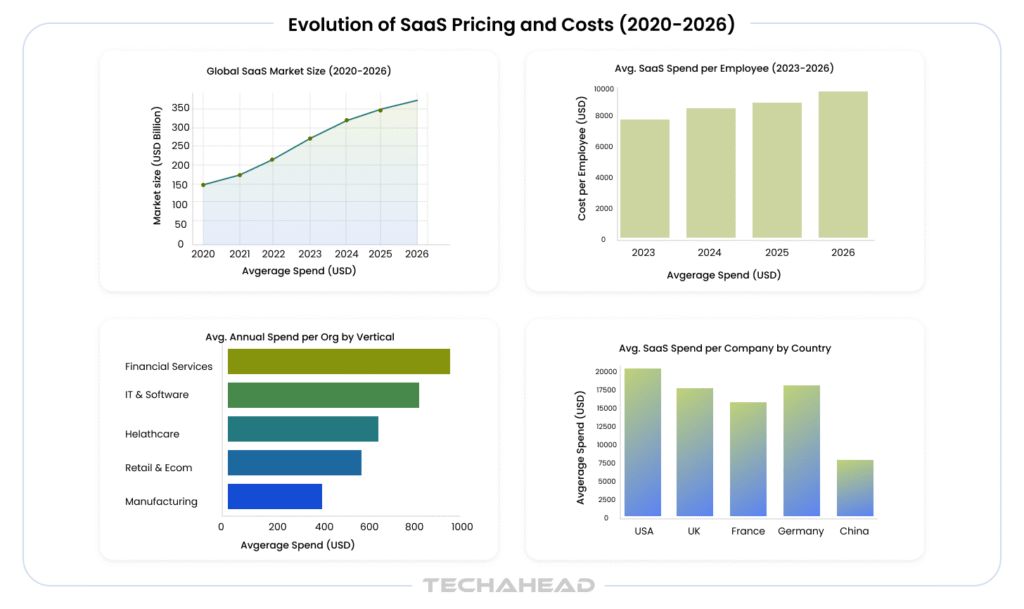
Meanwhile, the rigid template systems fail to accommodate complex multi-party approval chains that modern B2B transactions demand.
The 2026 enterprise technology environment presents unique opportunities for organizations willing to invest in custom solutions.
Open-source AI models have democratized intelligent document processing capabilities that were previously available only to tech giants.
Vector databases and RAG (Retrieval-Augmented Generation) architectures enable sophisticated contract analysis features that surpass commercial alternatives. Cloud infrastructure costs have stabilized, making self-hosted solutions increasingly attractive for data-sensitive organizations.
Forward-thinking enterprises are recognizing that contract workflows represent core intellectual property, the business logic, approval hierarchies, and compliance requirements that define their operational DNA.
And, surrendering control of these processes to external vendors creates both cost dependencies and strategic vulnerabilities.
Custom contract workflow platforms offer the promise of true ownership: predictable costs, unlimited customization, and AI capabilities tailored to specific industry requirements.
The question isn’t whether custom development makes sense, it’s understanding the investment tiers, timeline drivers, and total cost of ownership calculations that determine success.
This comprehensive analysis explores the three primary replacement approaches, from basic e-signature functionality to AI-enabled contract copilot systems, providing the framework necessary for informed decision-making in an era where software ownership increasingly trumps subscription dependency.
Why Enterprises Are Replacing DocuSign Now
The convergence of multiple factors in 2026 has created a perfect storm driving enterprises away from SaaS contract management solutions toward custom alternatives. Understanding these drivers provides crucial context for investment planning and timeline expectations.
SaaS Renewal Fatigue and Cost Escalation
DocuSign’s pricing structure exemplifies the fundamental flaw in per-transaction SaaS models: costs scale linearly while business value often doesn’t.
Enterprises report 40-60% annual cost increases as contract volumes grow and feature requirements expand.
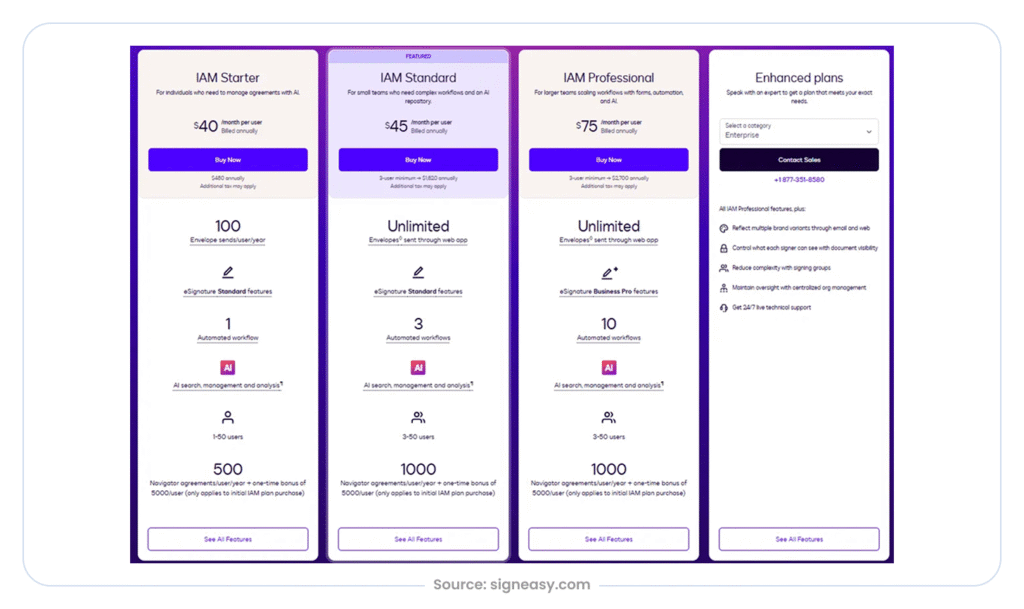
The base pricing starts deceptively low, around $25 per user monthly for standard plans, but real enterprise costs emerge through envelope overages ($0.50-$1.50 per envelope beyond plan limits), advanced workflow features (additional $15-30 per user monthly), and API integration charges.
Large enterprises processing 10,000+ contracts annually often discover their “affordable” DocuSign deployment has ballooned to $200,000-500,000 in annual recurring costs.
Meanwhile, the underlying infrastructure and development costs for equivalent custom functionality have dramatically decreased thanks to cloud commoditization and open-source tooling maturation.
Workflow Ownership and Template Limitations
Modern enterprise contracts involve increasingly complex stakeholder chains.
Healthcare organizations manage HIPAA compliance workflows involving legal, clinical, and administrative teams. Financial services require multi-jurisdictional approval paths with regulatory oversight. Manufacturing companies coordinate supplier agreements across global procurement teams with localized compliance requirements.
DocuSign’s template system, designed for standardized workflows, breaks down when organizations need dynamic routing based on contract value thresholds, counterparty risk profiles, or jurisdiction-specific requirements. Custom conditional logic are essential for sophisticated approval hierarchies, and they require premium tiers and still lack the granular control that enterprise operations demand.
Compliance and Audit Trail Gaps
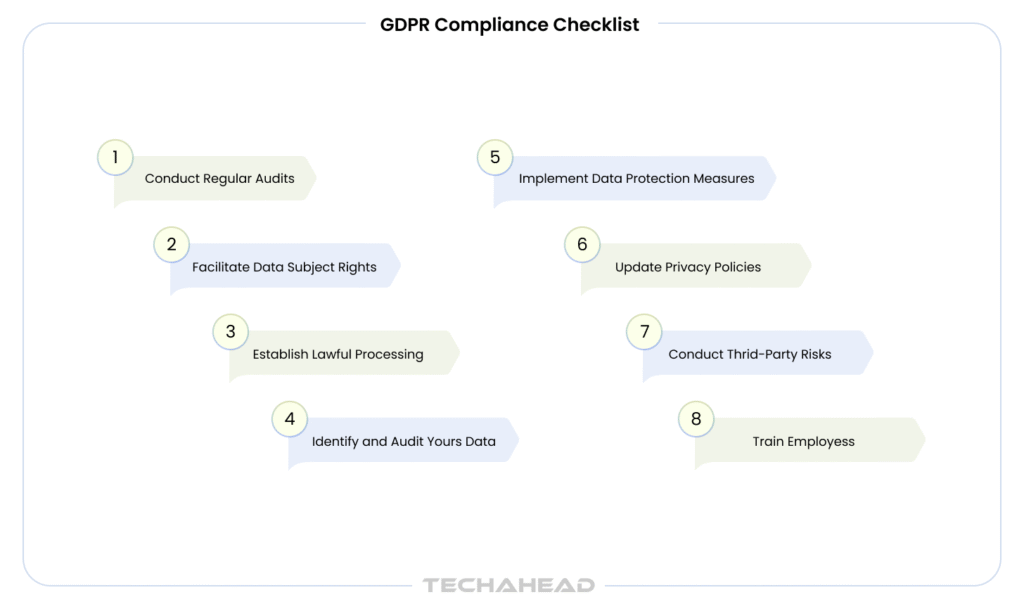
The 2026 regulatory environment demands unprecedented transparency in contract lifecycle management. GDPR’s evolution, combined with industry-specific requirements like SOX compliance in financial services or FDA validation in pharmaceuticals, necessitates audit trails that extend beyond basic electronic signatures.
Enterprises require immutable logging of not just signature events, but approval decision rationales, stakeholder communication threads, and version control histories. DocuSign’s audit capabilities, while legally sufficient, lack the forensic detail that internal compliance teams need for regulatory examinations or legal discovery processes.
AI Capabilities and Competitive Intelligence
The transformative potential of AI in contract management extends far beyond document storage and retrieval. Leading enterprises are implementing intelligent systems that extract key terms, identify negotiation opportunities, and flag risk clauses automatically. These capabilities require access to proprietary contract repositories, industry-specific training data, and custom AI models that reflect organizational preferences and risk tolerances.
Commercial SaaS platforms offer basic AI features, but they operate on generic models trained across all customers, creating potential intellectual property exposure while delivering mediocre results for specialized use cases. Custom AI implementations using organizational contract data provide competitive advantages that justify development investments.
The 2026 technology landscape has matured to the point where these limitations are no longer acceptable trade-offs for convenience. Open-source alternatives for every component of contract management workflows now exist, supported by cloud infrastructure that scales economically and AI tools that democratize intelligent processing capabilities.
Typical Investment Bands
Understanding the three primary tiers of DocuSign replacement helps organizations align their investment with actual requirements and realistic timeline expectations. Each tier represents distinct architectural decisions, feature sets, and ongoing maintenance commitments.
Tier 1: Basic Signature Workflow Replacement
Timeline: 3-5 months | Investment Range: $75,000-150,000
This foundational tier focuses on replicating core e-signature functionality without advanced workflow automation. Organizations choosing this path typically process fewer than 1,000 contracts annually and require straightforward approval chains with minimal integration complexity.
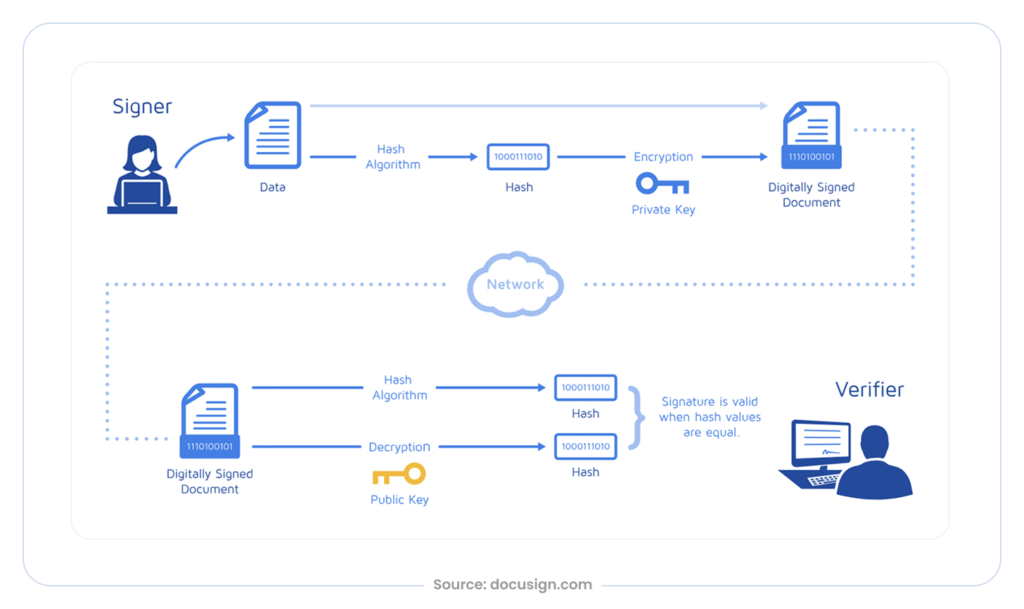
Core Features and Technical Scope: The development foundation centers on secure document storage, electronic signature capture, and basic notification systems. Frontend components include responsive web interfaces for document review, mobile-optimized signing experiences, and drag-and-drop signature field placement. Backend architecture encompasses user authentication systems, document version control, and cryptographic signature validation.
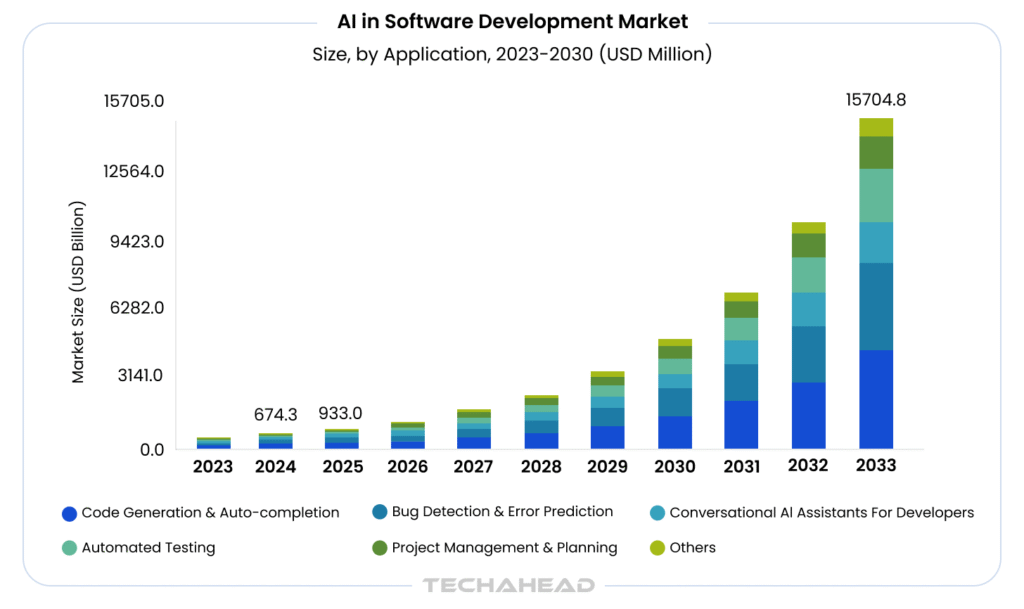
Security implementations at this tier include SSL/TLS encryption for data in transit, AES-256 encryption for document storage, and PKI-based signature verification. Basic audit trails capture signature timestamps, IP addresses, and authentication methods. Integration capabilities remain limited to simple webhook notifications and REST API endpoints for document status updates.
Timeline Drivers: Development velocity depends primarily on UI/UX complexity and security implementation depth. Teams with existing web application expertise can accelerate frontend development, while organizations requiring mobile parity must account for cross-platform testing and optimization. Security requirements, particularly if internal compliance teams demand specific cryptographic standards, can extend development timelines by 20-30%.
Organizational Fit: This tier suits small to mid-size enterprises with predictable contract volumes and minimal workflow complexity. Professional services firms, small manufacturers, and regional distributors often find this scope adequate for immediate DocuSign replacement while providing foundation for future enhancements.
Tier 2: End-to-End Contract Automation Platform
Timeline: 6-9 months | Investment Range: $200,000-400,000
The intermediate tier transforms contract management from document processing into comprehensive lifecycle automation. Organizations at this level typically handle 2,000-10,000 contracts annually with multiple stakeholder approval chains and require deep integration with existing business systems.
Core Features and Technical Scope: This platform encompasses full contract lifecycle management capabilities: template libraries with dynamic field population, multi-stage approval routing with conditional logic, version control with change tracking, and bulk operation support for contract renewals and amendments. Advanced workflow engines enable complex routing rules based on contract value, counterparty risk ratings, or department-specific approval requirements.
Integration architecture extends beyond basic APIs to include bi-directional synchronization with CRM systems (Salesforce, HubSpot), ERP platforms (SAP, Oracle), and financial systems for contract value tracking. Real-time data flows enable automatic contract population from opportunity records, approval notification routing based on organizational hierarchies, and post-signature data extraction for revenue recognition processes.
The technical foundation requires scalable database architectures capable of handling concurrent workflows, distributed caching systems for performance optimization, and message queue implementations for reliable integration processing. Security enhancements include role-based access controls, advanced audit logging with tamper-proof storage, and compliance framework integration for SOC 2 or ISO 27001 requirements.
Timeline Drivers: Integration complexity typically dominates development timelines at this tier. Organizations with well-documented APIs and standardized data formats can accelerate integration phases, while legacy systems requiring custom middleware can extend development by 1-2 months. Workflow engine development, particularly for organizations with unique approval hierarchies, requires iterative refinement that benefits from agile development approaches.
Organizational Fit: Mid-market enterprises with established business processes but growing complexity requirements represent the primary audience for this tier. Technology companies scaling rapidly, healthcare organizations with regulatory compliance needs, and financial services firms with risk management requirements typically find optimal value at this investment level.
Tier 3: AI-Enabled Contract Copilot System
Timeline: 9-12+ months | Investment Range: $400,000-800,000
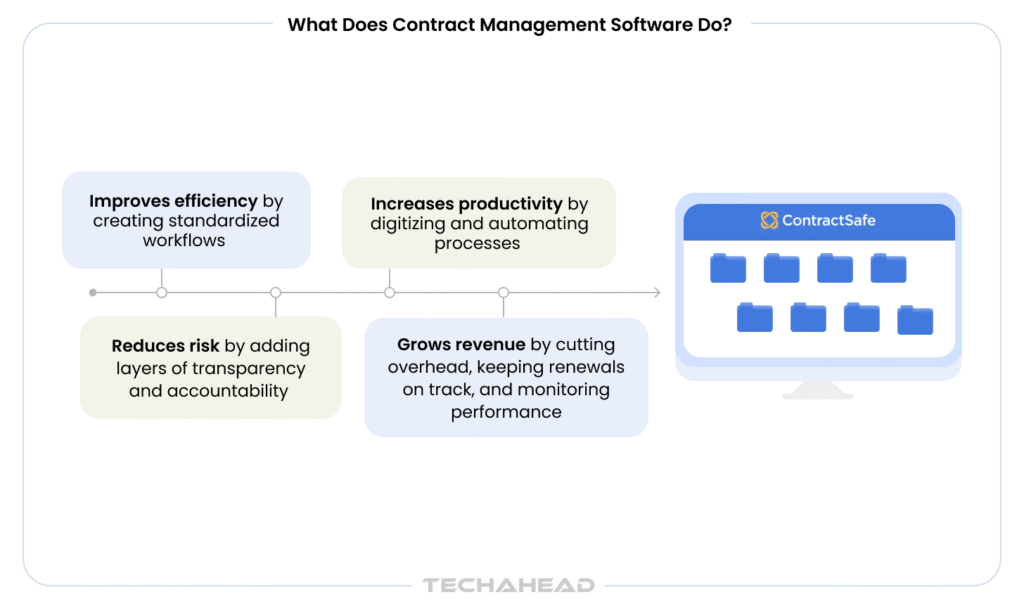
The advanced tier transforms contract management into an intelligent business process that leverages AI for decision support, risk assessment, and negotiation assistance. This represents a fundamental shift from document processing to strategic contract intelligence.
Core Features and Technical Scope: AI capabilities center on Retrieval-Augmented Generation architectures that enable natural language querying across contract repositories, automatic clause extraction and categorization, and intelligent contract summarization. Advanced features include risk assessment algorithms that flag unusual terms, negotiation recommendations based on historical outcomes, and predictive analytics for contract performance and renewal likelihood.
The technical foundation requires vector databases (Pinecone, Weaviate, or Chroma) for semantic search capabilities, fine-tuned language models for contract-specific terminology, and MLOps pipelines for continuous model improvement. OCR systems handle legacy document digitization, while custom NLP models extract structured data from unstructured contract language.
Integration extends to legal research platforms, competitive intelligence systems, and business intelligence tools for comprehensive contract analytics. Advanced security implementations include differential privacy for AI training data, federated learning approaches for multi-tenant deployments, and explainable AI features for regulatory compliance.
Timeline Drivers: AI pipeline development and model training represent the primary timeline variables. Organizations with substantial historical contract data can accelerate training phases, while companies requiring industry-specific models may need additional months for data preparation and validation. Vector database optimization for large-scale semantic search and real-time AI inference tuning require specialized expertise that may extend development timelines.
Organizational Fit: Large enterprises with substantial legal departments, complex contract portfolios, and strategic focus on operational efficiency represent the primary market for AI-enabled systems. Fortune 1000 companies, global consulting firms, and enterprises with high-value contract negotiations typically justify this investment level through demonstrable efficiency gains and competitive advantages.
Key Scope Drivers
Understanding the specific factors that influence development timelines and complexity helps organizations plan realistic implementation schedules and budget accordingly for scope variations that emerge during development phases.
Approval Complexity and Workflow Architecture
Linear vs. Parallel Processing Requirements
Basic approval workflows follow predictable sequences: contract creation, legal review, stakeholder approval, and execution. However, enterprise reality involves parallel approval paths, conditional routing, and dynamic escalation rules that significantly impact system architecture requirements.
Simple linear workflows require straightforward state machines with basic notification systems. Complex parallel workflows demand workflow orchestration engines capable of managing concurrent approval streams, dependency tracking, and intelligent merge points. Organizations with matrix management structures, common in consulting firms and technology companies, require approval systems that account for multiple reporting relationships and project-specific authority delegations.
Dynamic routing based on contract characteristics adds another complexity layer.
Rules might include automatic legal routing for contracts exceeding specific dollar thresholds, regulatory review requirements based on counterparty classifications, or geographic approval chains for international agreements. Each conditional branch requires comprehensive testing and exception handling that extends development timelines by 20-30%.
Impact on Development Timeline: Organizations with well-documented approval hierarchies and standard escalation procedures can implement workflow engines efficiently. Companies with ad-hoc approval processes or frequent organizational changes may require iterative workflow refinement that benefits from agile development approaches with regular stakeholder feedback loops.
CRM/ERP Integration Requirements
Bi-directional Synchronization Complexity
Modern contract management operates as part of comprehensive business process ecosystems. Sales teams expect contract data to populate automatically from CRM opportunity records. Finance departments require contract values to flow seamlessly into revenue recognition systems. Procurement teams need supplier contract terms accessible within ERP procurement workflows.
Salesforce integration represents the most common requirement, involving custom object mappings, trigger implementations, and real-time data synchronization. Complex organizations may require multiple CRM system integration, Salesforce for external sales, separate systems for partner channel management, and specialized platforms for specific industry requirements.
ERP integration complexity varies dramatically based on system architecture and customization levels. SAP implementations with extensive custom modules require specialized expertise and extended testing phases. Cloud-based ERP systems like NetSuite offer more straightforward integration paths but still require careful data mapping and validation procedures.
API Development and Maintenance Considerations
Custom API development for legacy systems adds significant complexity to integration timelines. Organizations with systems lacking modern API capabilities may require middleware development or direct database integration approaches that introduce security and maintenance considerations.
Real-time integration requirements, such as instant contract status updates in CRM systems, demand robust error handling, retry mechanisms, and monitoring systems that extend development timelines beyond basic batch synchronization approaches.
Audit Trails and Compliance Framework Implementation
Regulatory Requirement Mapping
Different industries impose varying audit trail requirements that directly impact system architecture decisions. Financial services organizations operating under SOX compliance need immutable audit logs with cryptographic integrity verification. Healthcare organizations require HIPAA-compliant audit trails that track access patterns and data modifications with user attribution.
GDPR compliance adds complexity through requirements for data portability, erasure capabilities, and consent tracking that extend beyond basic document storage. Organizations operating internationally must accommodate multiple regulatory frameworks with potentially conflicting requirements.
Immutable Logging and Tamper-Proof Storage
Implementing legally defensible audit trails requires blockchain-like approaches to data integrity, cryptographic timestamping services, and distributed storage strategies that prevent single points of failure or tampering. These security implementations can double testing and validation phases while requiring specialized security expertise.
Advanced audit capabilities include behavioral analytics for unusual access patterns, automated compliance reporting for regulatory submissions, and forensic data extraction capabilities for legal discovery processes. Each enhancement adds development complexity that must be balanced against organizational compliance requirements.
AI Extraction and Summarization Capabilities
Modern AI Stack Implementation in 2026
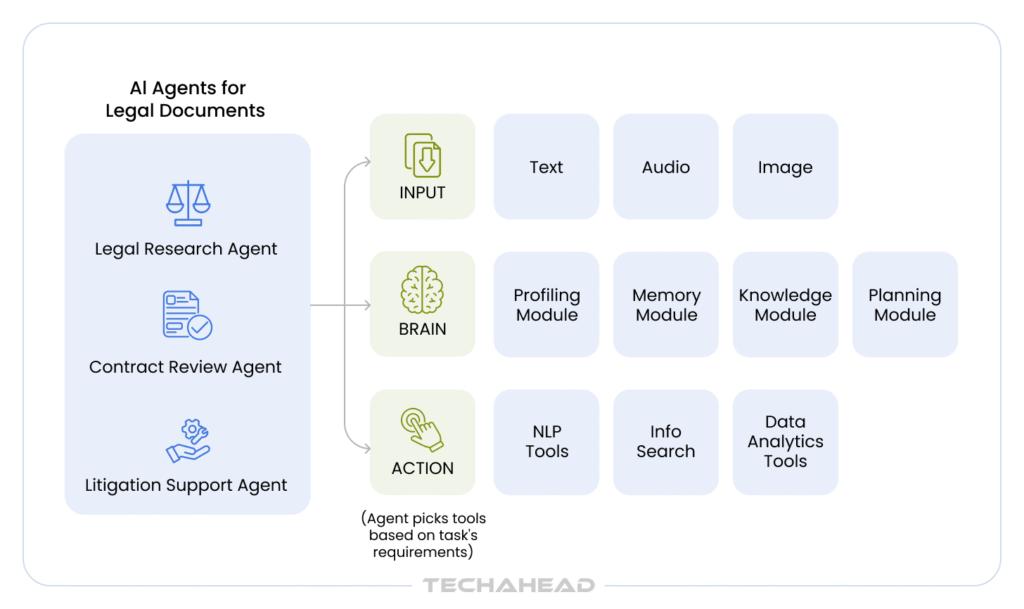
The AI landscape of 2026 offers unprecedented opportunities for contract intelligence implementation. Open-source large language models like Llama 2/3, Code Llama, and specialized legal AI models provide foundation capabilities that previously required proprietary commercial solutions.
Vector database implementation for semantic search across contract repositories involves architectural decisions around embedding models, chunking strategies, and similarity search algorithms. Organizations with large historical contract volumes require careful index optimization and query performance tuning that may extend development timelines.
OCR and Legacy Document Processing
Many enterprises maintain contract libraries spanning decades with varying document formats and quality levels. OCR implementation for legacy document digitization requires preprocessing pipelines, accuracy validation workflows, and manual review processes for critical document extraction.
Advanced extraction capabilities include table recognition for complex contract schedules, signature block identification for automated routing, and clause classification for risk assessment workflows. Each enhancement requires training data preparation and model validation that adds months to AI development services timelines.
Hallucination Prevention and Validation Frameworks
Enterprise AI implementations demand accuracy levels that exceed typical LLM performance without additional safeguards. Implementing validation frameworks includes source citation requirements, confidence scoring for extracted information, and human-in-the-loop validation workflows for critical contract terms.
These safeguards require additional development effort but provide essential accuracy guarantees for enterprise contract management applications where errors carry significant legal and financial consequences.
Build vs Buy TCO Framework
Understanding the long-term economic implications of custom development versus continued SaaS subscription requires comprehensive total cost of ownership analysis that accounts for both direct costs and strategic value considerations.
Core Economic Model and Amortization
Investment Amortization Over 3-5 Year Horizons
Custom development involves front-loaded investments that amortize over multi-year operational periods, while SaaS models distribute costs through recurring subscriptions with built-in escalation. The fundamental economic question centers on break-even analysis: at what point does custom development investment provide superior ROI compared to ongoing SaaS fees?
The amortization calculation depends on several key variables: initial development investment, ongoing maintenance costs (typically 15-25% of development costs annually), and opportunity costs of internal development resources. Organizations with existing development teams can reduce external development costs but must account for opportunity costs of diverting internal resources from other strategic initiatives.
Comparative Cost Structure Analysis
SaaS platforms impose recurring costs that compound over time through usage growth, feature expansion, and vendor price increases. DocuSign enterprise customers typically experience 20-30% annual cost growth through combination of increased usage volumes and platform price adjustments.
Custom solutions involve predictable maintenance costs after initial development completion. Hosting costs scale with usage but remain significantly lower than SaaS subscription fees at enterprise volumes. Internal maintenance teams develop institutional knowledge that reduces long-term support costs while providing immediate response capabilities for critical issues.
Component-by-Component Economic Comparison
Licensing and Core Platform Costs
SaaS platforms charge recurring licensing fees that provide no equity value to customers. Organizations paying $300,000 annually for DocuSign enterprise features receive no asset value despite years of cumulative payments. Custom development investments create owned intellectual property with potential licensing or resale value.
The ownership advantage extends beyond direct cost considerations to strategic control over feature development priorities, security implementation standards, and integration capabilities that align with organizational requirements rather than vendor roadmap priorities.
Add-on Features and Workflow Customization
Commercial platforms monetize advanced features through add-on modules that significantly increase total cost of ownership. Organizations requiring custom workflow logic, specialized integration capabilities, or industry-specific compliance features often discover that SaaS customization costs exceed custom development expenses while providing inferior functionality.
Custom platforms include all organizational requirements within the base development scope without ongoing per-feature licensing fees. This cost predictability enables more accurate long-term budgeting and removes vendor dependencies that constrain business process evolution.
AI Capabilities and Competitive Differentiation
SaaS AI features operate on generic models trained across all vendor customers, limiting effectiveness for organization-specific use cases while potentially exposing proprietary contract data to shared learning systems. Custom AI implementation using organizational data provides competitive advantages through superior accuracy and proprietary insights.
The 2026 AI landscape enables custom implementation at costs significantly below commercial AI platform licensing fees. Open-source models, cloud-based vector databases, and commoditized GPU infrastructure democratize AI capabilities that justify custom development investments.
Decision Framework and Break-Even Analysis
Volume Thresholds and Cost Trajectories
Organizations processing fewer than 1,000 contracts annually may struggle to justify custom development investments through direct cost comparison alone. However, organizations exceeding 2,000 contracts annually with complex workflow requirements typically achieve break-even within 18-24 months of custom platform deployment.
The break-even analysis must account for productivity gains from optimized workflows, reduced manual processing requirements, and improved compliance capabilities that provide value beyond direct cost savings. Many organizations report 30-50% efficiency improvements in contract processing times through custom workflow optimization.
Strategic Value Considerations
Beyond direct cost comparison, custom development provides strategic benefits that justify investment even when direct costs remain comparable to SaaS alternatives. Data ownership eliminates vendor lock-in risks and provides foundation for future AI enhancement. Process control enables rapid adaptation to changing business requirements without vendor dependency.
Custom platforms support competitive differentiation through superior client experiences, faster contract processing, and intelligent insights that provide market advantages worth significant investment premiums for growth-focused organizations.
Implementation Risks & Next Steps
Successfully transitioning from DocuSign to custom contract workflow software requires careful risk management, vendor selection, and implementation planning that accounts for common pitfalls while maximizing success probability.
Primary Implementation Risks and Mitigation Strategies
Scope Creep and Feature Expansion
The most common cause of custom development project failure involves uncontrolled scope expansion during development phases. Organizations discover additional requirements through user feedback, integration complexity, or competitive feature comparisons that extend timelines and budgets beyond original projections.
Mitigation requires agile development methodologies with clearly defined sprint goals, regular stakeholder review cycles, and formal change request processes that evaluate scope modifications against timeline and budget constraints. Successful implementations prioritize core functionality delivery over feature completeness, enabling iterative enhancement after initial deployment.
Integration Delays and Legacy System Compatibility
Enterprise software environments often include legacy systems with limited API capabilities, non-standard data formats, or architectural constraints that complicate integration development. These challenges typically surface during development phases rather than initial scoping, creating timeline pressure and technical debt accumulation.
Proof-of-concept development for critical integrations should precede full development commitment. This approach identifies technical obstacles early while validating integration assumptions through working prototypes. Organizations with complex legacy environments benefit from middleware development that provides integration abstraction layers for future system migrations.
AI Reliability and Production Readiness
AI features require extensive testing and validation that extends beyond traditional software quality assurance processes. Model accuracy, response consistency, and edge case handling demand specialized testing approaches with domain expert validation that may not be available within existing QA teams.
Human oversight systems provide essential safeguards for AI-enabled features while building organizational confidence in automated processing capabilities. Implementing graduated automation, starting with AI-assisted workflows that require human confirmation, enables progressive trust building while maintaining accuracy standards.
Vendor Selection and Evaluation Criteria
AI Expertise and Implementation Track Record
The 2026 development landscape includes many vendors claiming AI capabilities without demonstrated expertise in contract processing, legal document analysis, or enterprise AI deployment. Evaluating vendor capabilities requires reviewing specific project portfolios, technical architecture approaches, and client references with similar complexity requirements.
Key evaluation criteria include experience with legal document processing, vector database implementation for enterprise scale, and MLOps capabilities for production AI system maintenance. Vendors should demonstrate understanding of accuracy requirements, validation frameworks, and compliance considerations specific to contract management applications.
Workflow Portfolio and Industry Experience
Contract workflow requirements vary significantly across industries, organizational structures, and regulatory environments. Vendors with relevant industry experience provide valuable insights for requirement refinement, common pitfall avoidance, and best practice implementation that accelerate development and improve outcomes.
Portfolio evaluation should focus on similar organizational complexity, comparable integration requirements, and analogous compliance frameworks rather than simple project count or client size metrics.
Recommended Action Plan and Next Steps
Current State Assessment and Requirement Definition
Begin with comprehensive DocuSign usage analysis including contract volumes, workflow complexity, integration touchpoints, and total cost analysis. This baseline assessment provides foundation for scope definition and vendor evaluation criteria.
Requirements definition should prioritize must-have functionality over nice-to-have features while identifying integration requirements, compliance obligations, and performance expectations that influence architectural decisions.
Discovery Sprint and Technical Validation
Implement discovery sprint methodology with selected vendors to validate technical approaches, refine requirements, and establish realistic timeline expectations. Discovery sprints provide low-cost evaluation mechanisms while building confidence in vendor capabilities and project feasibility.
The 2026 enterprise software landscape offers unprecedented opportunities for organizations ready to reclaim control over critical business processes through custom development.
Contract workflow platforms represent strategic infrastructure investments that provide long-term competitive advantages while reducing vendor dependencies and controlling costs. Success requires careful planning, experienced implementation partners, and realistic timeline expectations, but organizations meeting these criteria can achieve substantial returns on custom development investments while building proprietary capabilities that drive business growth.
What’s the typical break-even timeframe for custom contract workflow development?
Most enterprises achieve cost parity within 18-24 months, with substantial savings thereafter.
Can small organizations justify custom development over DocuSign subscriptions?
Organizations processing 2,000+ contracts annually typically find custom solutions cost-effective long-term.
How reliable are AI features in custom contract management platforms?
With proper validation frameworks, custom AI achieves 95%+ accuracy for extraction.
What integration challenges should we expect during custom platform development?
Legacy system APIs and real-time synchronization requirements typically extend timelines significantly.
Do custom platforms provide better security than commercial SaaS solutions?
Custom implementations enable organization-specific security controls and eliminate vendor dependencies completely.